
Plants
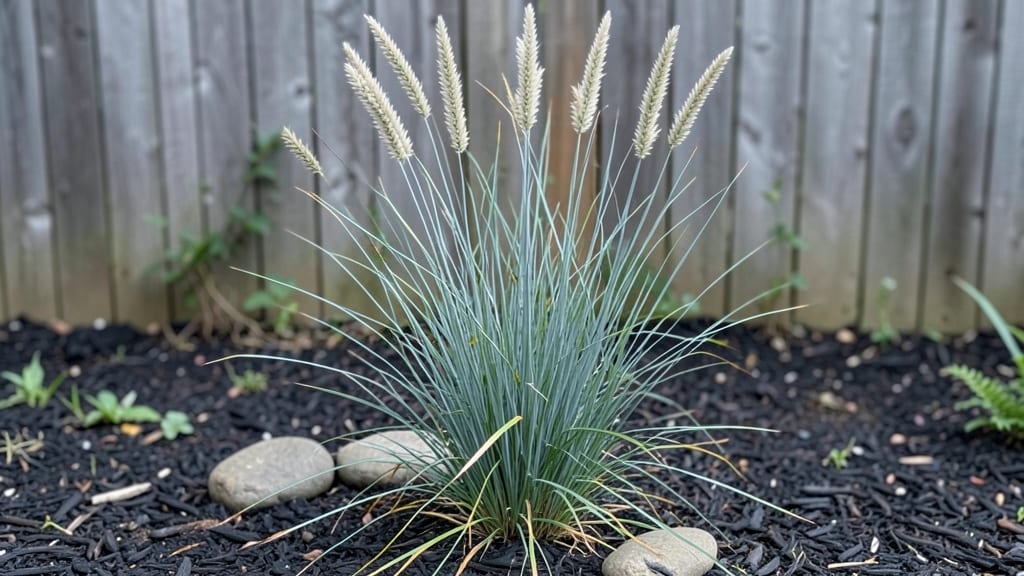
Landscaping with Karl Foerster grass 🌿 delivers bold structure and year-round interest with almost no effort—its striking blue-green stripes and upright form make it a standout choice for modern designs.
If you're tired of plants that flop in summer heat or fade into the background, this ornamental grass is the game-changer you’ve been waiting for. Unlike finicky perennials, it thrives in full sun, needs minimal water once established, and keeps its shape through all four seasons.
Whether you're framing a patio, creating a privacy screen, or adding height to a wildflower meadow, Karl Foerster grass fits seamlessly into any plan. Its drought tolerance and low-maintenance nature mean more time enjoying your garden and less time fussing over it.
Below, I’ll show you how to pair it with complementary plants, where to place it for maximum impact, and the simple care routine that keeps it looking sharp from spring through winter.
Why Karl Foerster grass stands out in landscape design
Karl Foerster grass (Festuca glauca 'Karl Foerster') is a landscape designer's dream—its bold blue-green striped foliage and upright growth habit create dramatic visual interest while demanding minimal care. Unlike floppy ornamental grasses, this variety maintains a neat, architectural form that works equally well in modern minimalist gardens or traditional cottage landscapes. The vertical texture adds depth to borders, while its year-round structure provides privacy without sacrificing style.
What truly sets it apart is its drought tolerance and low-maintenance nature. Once established, it thrives with occasional watering and minimal pruning, making it ideal for busy gardeners or water-conscious regions.
Its hardy nature (USDA zones 5-9) ensures it handles heat, cold, and even urban pollution better than many ornamental grasses.
| Feature | Details |
|---|---|
| Foliage Color | Blue-green with white stripes |
| Mature Height | 4-5 feet tall |
| Sunlight Needs | Full sun (6+ hours daily) |
| Water Requirements | Drought-tolerant after establishment |
| Best Uses | Privacy screens, borders, focal points |
| Maintenance Level | Low-maintenance (minimal pruning) |
| Seasonal Interest | Year-round structure and texture |
This grass excels as a privacy screen due to its dense clumping habit and tall, upright growth. Plant it in 3-foot spacings along property lines to create a natural, wind-resistant barrier that outperforms many shrubs.
Unlike evergreens, it won’t drop leaves or require shearing, making it a modern alternative to traditional hedges.
For borders and edges, its neat, linear form contrasts beautifully with loose perennials like coneflowers or black-eyed Susans. Pair it with low-growing ground covers like creeping thyme to create a textured, layered effect.
In container gardens, its vertical presence draws the eye upward, making it perfect for patio focal points or balcony planters.
One of its biggest advantages is its winter hardiness. While many ornamental grasses flop or brown in cold climates, Karl Foerster grass retains its upright structure and color contrast even in snowy landscapes.
This makes it a reliable choice for four-season gardens, where it adds visual interest when other plants go dormant.
In modern landscapes, its clean lines complement contemporary hardscapes like gravel paths or sleek decks. For traditional gardens, its architectural form pairs well with boxwood hedges or roses. The key is to group 3-5 plants together to create a cohesive visual impact rather than planting single stems.
Unlike many grasses that spread aggressively, Karl Foerster grass forms clumping growth, making it easy to control in mixed borders. This trait also means it won’t overpower nearby perennials, allowing other plants to thrive without competition.
For wildflower meadows, it adds structure and height while maintaining a natural look.
If you're designing for pollinators, this grass works well when planted near native wildflowers like purple coneflower or bee balm. The vertical stems provide perching spots for beneficial insects, while the neat foliage keeps the area looking tidy and intentional.
It’s a low-effort way to support biodiversity without sacrificing aesthetics.
For urban gardens, its air-purifying qualities and tolerance for city conditions make it a top choice for rooftop gardens or small courtyards. Its resilience to pollution and compact growth mean it thrives where other plants might struggle.
Even in high-traffic areas, it holds up better than many ornamental grasses.
To maximize its landscape impact, consider planting it in odd-numbered groupings (like 3 or 5 plants) rather than straight lines. This creates a more natural, organic feel while still maintaining its structured appearance.
Pair it with contrasting textures, like smooth hostas or spiky yuccas, to enhance its visual appeal.
Whether you're creating a modern privacy screen, a traditional garden border, or a pollinator-friendly meadow, Karl Foerster grass delivers year-round beauty with minimal effort. Its unique foliage, hardy nature,
Best planting techniques for Karl Foerster grass in privacy screens
Creating a stunning privacy screen with Karl Foerster grass starts with proper planting techniques. This ornamental grass thrives when given the right conditions—well-draining soil, full sun exposure, and adequate spacing.
Unlike many plants, it doesn’t need rich soil, making it perfect for low-maintenance landscapes. The key to maximizing its bold striped effect lies in following these steps for healthy, upright growth.
Before planting, test your soil’s drainage quality. Karl Foerster grass hates soggy roots, so amending heavy clay with sand or compost can make all the difference. A slightly alkaline pH (around 6.5-7.5) is ideal, though it’s adaptable.
Pair this with full sun exposure (at least 6 hours daily), and you’ll set your grass up for success. The right planting spacing also ensures airflow, reducing disease risk and letting those striking blue-green stripes shine.
-
Step 1: Choose the Right Location
Select a spot with full sun (6+ hours daily) and well-draining soil. Avoid low-lying areas where water pools. -
Step 2: Prepare the Soil
Loosen soil to a depth of 12 inches and mix in 1 inch of compost or sand if drainage is poor. Test pH—aim for 6.5-7.5. -
Step 3: Dig Holes
Space plants 18-24 inches apart in rows 2-3 feet apart for a dense screen. Holes should be twice as wide as the root ball but no deeper. -
Step 4: Plant and Water
Place grass in holes, ensuring the crown sits at soil level. Backfill with soil, tamp gently, and water deeply to settle roots. -
Step 5: Mulch and Monitor
Apply 2 inches of mulch (like pine bark) to retain moisture. Water weekly for the first month, then reduce as established.
For a privacy screen, plant Karl Foerster grass in staggered rows to create a natural, textured barrier. Pair it with companion plants like Russian sage or black-eyed Susan to add color and height contrast.
These perennials thrive in similar conditions and won’t compete for resources. Avoid planting near weedy species, as they’ll overshadow the grass’s striking blue-green stripes.
After planting, monitor for pests like slugs or disease signs such as brown tips. If you notice wilting, check for overwatering—this grass prefers drought tolerance once established. In USDA zones 5-9, it’s hardy and low-maintenance, but mulching in winter adds extra protection.
With the right planting techniques, your Karl Foerster grass will deliver year-round structure and privacy with minimal effort.
Pro tip: Plant in early spring (March-April) for the best establishment. The grass’s upright growth habit makes it ideal for modern landscapes, whether as a standalone screen or mixed with ornamental shrubs. Just remember—full sun and well-draining soil are non-negotiable for that signature bold striped effect.