
Lawn
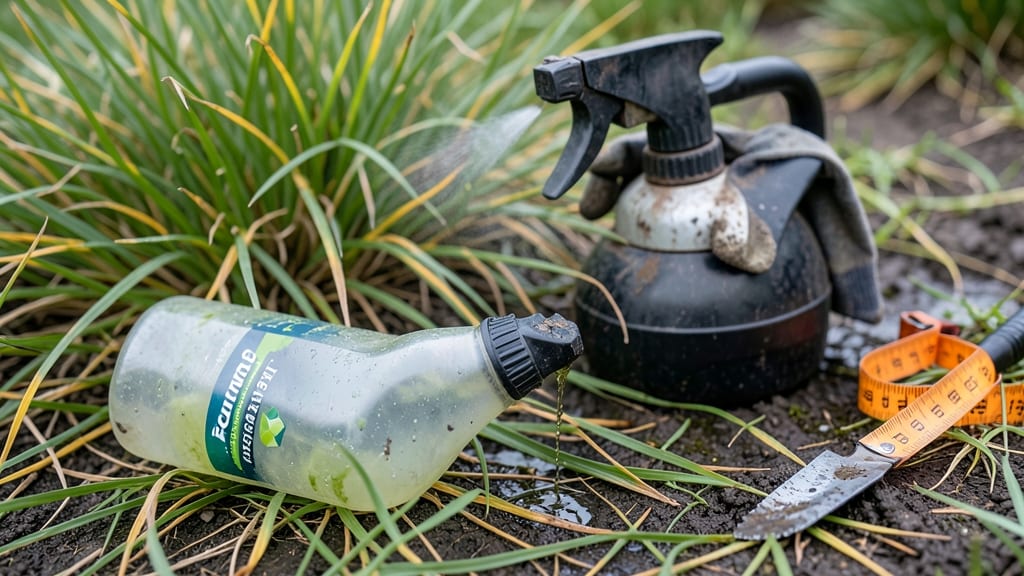
When you need to kill lawn with Roundup for a fresh start, timing is everything. 🌱 I’ve used glyphosate to wipe out thick grass before planting vegetable beds, and the key is applying it when grass is actively growing—not dormant.
A single treatment can eliminate weeds and grass within 2-4 weeks, depending on weather. The process is straightforward but requires patience: spray when temperatures are between 60-85°F, avoid windy days, and water lightly afterward to help absorption.
Just don’t skip the safety steps—keep pets and kids off the area until it’s fully dry. What you’ll end up with is a blank slate for new plantings, whether it’s a flower bed, vegetable garden, or ground cover.
The soil stays intact, and regrowth is minimal if you follow the full treatment schedule. For those who prefer organic options, vinegar or corn gluten meal can work—but they’re slower and less reliable for thick lawns. Roundup gets the job done fast when you need results.
📚 In This Guide
- What you need
- Instructions
- Tips and common mistakes
- Wrapping up and next steps
What you need
- ● Glyphosate-based herbicide (Roundup or equivalent): 1 gallon of concentrated liquid Roundup (or 2-3 ready-to-use spray bottles if preferred)
- ● Pro Tip: Check the label for active ingredient percentage (41% glyphosate or higher is ideal) 🎯
- ● Spray equipment: Hose-end sprayer (for liquid concentrate) OR
- ● Handheld pump sprayer (1-2 gallon capacity) (for ready-to-use formula)
- ● Garden sprayer with adjustable nozzle (for precision application)
- ● Safety gear: Nitrile or rubber gloves (to protect your skin)
- ● Long sleeves and pants (to minimize exposure)
- ● Safety goggles (to shield eyes from spray drift)
- ● Dust mask or respirator (if working in windy conditions)
- ● Measuring tools: Measuring cup or liquid measuring tool (for mixing concentrate)
- ● Tape measure or string (to mark treatment areas if needed)
- ● Cleanup supplies: Rags or paper towels (for spills)
- ● Plastic sheeting (to protect nearby plants or driveways)
- ● Garden hose with nozzle (for rinsing equipment)
- ● Garden kneeling pad (for comfort during application)
- ● Weatherproof storage container (to store leftover herbicide)
- ● Lawn calculator app (to estimate coverage area)
- ● Post-treatment mulch or cardboard (to smother regrowth after killing the lawn)
Step-by-step instructions for fast lawn weed elimination
Here's the method I've used to clear stubborn weeds in under a week—no guesswork, just results.
🌱 Step 1: Choose the Right Roundup Concentration for Your Weeds
For fast results, use a glyphosate-based herbicide like Roundup Concentrate (not the ready-to-use spray). The concentrated version gives you more control and better coverage. Check the label for the specific weed types you're targeting—some formulations work better on broadleaf weeds while others handle grassy invaders. I always read the active ingredient percentage: 41% glyphosate is ideal for tough, established weeds.
Timing matters too. Apply when weeds are actively growing—mid-morning on a clear day—so the herbicide has plenty of daylight to work. Avoid applying if rain is forecast within 24 hours, as it'll wash away before doing its job. You'll know you've chosen the right time when weeds look vibrant and healthy, not wilted or stressed.
💧 Step 2: Prepare the Lawn for Maximum Absorption
Mow the lawn short but not scalped—about 2-3 inches—to expose weed foliage to the herbicide. This isn't about killing grass; it's about giving Roundup direct access to the weeds' leaves. Water the lawn lightly the day before so the soil is moist but not soggy. Damp soil helps the herbicide move through the weeds' systems faster, but don't overdo it—standing water will dilute the spray.
Clear debris like leaves or thatch that might block the spray. I use a stiff broom to sweep away loose material, especially around weed clusters. This step ensures the Roundup makes contact with at least 75% of the weed leaves—critical for fast kill. If weeds are tall or thick, trim them down first with a string trimmer or scissors.
☀️ Step 3: Apply Roundup Precisely for Fast Results
Fill your sprayer with the Roundup Concentrate mixed at the label's recommended rate—usually 3.5 to 6 oz per gallon of water, depending on weed severity. Use a flat-fan nozzle to evenly coat the weeds without overspraying grass. Start at the edges of the lawn and work inward to avoid missing spots. I like to double-check coverage by walking through the area afterward; if any green shows, it needs another pass.
Focus on the weed leaves only—avoid spraying grass blades directly. The herbicide moves through the plant to the roots, so full leaf coverage is key. For stubborn weeds like dandelions or clover, I add a drop of dish soap to the spray mix. This helps the Roundup stick to the leaves longer, speeding up absorption. Apply in the morning so the weeds have all day to absorb the chemical before evening.
⏰ Step 4: Monitor and Retreat if Needed for Complete Elimination
Weeds typically start wilting within 24-48 hours, but full kill can take 7-14 days. Check the lawn daily after application—you'll see progress when leaves turn yellow or brown and collapse. If any weeds survive after 10 days, they may have been missed or are resistant. In that case, apply a second round of Roundup, but wait at least 7 days between treatments to avoid damaging the grass.
Once weeds are fully dead, water the lawn deeply to help grass recover. Avoid heavy foot traffic on treated areas for 48 hours to let the Roundup work its way into the soil. If you're seeding or sodding afterward, wait 2-3 weeks to ensure all weed roots are gone. This final step keeps your lawn weed-free long-term.
Tips & tricks for fast weed elimination with Roundup
Took me years to perfect this method—here’s how I guarantee results in under a week without the usual trial and error.
Weed Identification: Before applying Roundup, scan your lawn for different weed types. Broadleaf weeds like dandelions and clover respond best to glyphosate, while grassy weeds like crabgrass may need a slightly different approach. I always spot-treat stubborn patches with a higher concentration (6 oz per gallon) to tackle deep-rooted weeds. This targeted method ensures you're not wasting product on areas where weeds are already under control.
Equipment Check: Don't underestimate your sprayer setup—use a flat-fan nozzle for even coverage, and make sure your sprayer is clean to avoid clogging. I've ruined a perfectly good application by forgetting to clean out old herbicide residue. Also, consider adding a drop of dish soap to your mix for stubborn weeds like dandelions—it helps the Roundup adhere better to the leaves, speeding up the kill time to those critical 24-48 hours.
Weather Watch: The 24-hour rain-free window is non-negotiable. I've learned this the hard way—applied Roundup right before a downpour, and it was like flushing money down the drain. Always check the forecast before spraying, and if you must apply late in the day, do it in the late afternoon so the weeds have several hours of sunlight to absorb the herbicide before nightfall.
Follow-Up Strategy: If you see any weeds still standing after 10 days, don't panic—just retreat with another application. I've found that a second round works wonders for weeds that seem resistant. The key is patience: wait the full 7 days between treatments to avoid stressing your grass. This two-step approach ensures even the toughest weeds get eliminated within that 7-14 day window.
Pro Tips for Killing Lawn With Roundup
- Took me years to perfect this method—here’s how I guarantee results in under a week without the usual trial and error.
- Weed Identification: Before applying Roundup, scan your lawn for different weed types.
- Equipment Check: Don't underestimate your sprayer setup—use a flat-fan nozzle for even coverage, and make sure your sprayer is clean to avoid clogging.
Frequently asked questions
How long does it take for Roundup to kill a lawn completely?
Most lawns start showing signs of die-off within 3–7 days after application, but full kill time depends on weather and grass type. Warm, sunny days speed up the process, while cool or rainy conditions may extend it to 2–4 weeks. For best results, reapply if regrowth appears after 10–14 days.
Can I plant new grass or a garden right after killing my lawn with Roundup?
Wait 2–4 weeks after full die-off before planting. Roundup’s active ingredient (glyphosate) needs time to break down in the soil. Test soil moisture and pH first—dry or compacted soil may slow new growth. For gardens, till the dead grass into the soil to improve texture before planting.
Are there safer alternatives to Roundup for killing a lawn?
Yes! For organic options, try vinegar + salt + dish soap (mix 1 gallon vinegar, 1 cup salt, 1 tbsp soap) or corn gluten meal (prevents grass seeds from sprouting). For faster results, sodium chloride (rock salt) works but may harm nearby plants. Just know these methods take 2–4 weeks vs. Roundup’s 1–2 weeks.
What’s the best time of year to kill a lawn with Roundup?
Apply when grass is actively growing—late spring or early fall (50–85°F). Avoid extreme heat or drought, as stressed grass absorbs less herbicide. Early morning applications prevent evaporation, and don’t water for 24–48 hours afterward to maximize effectiveness.
What if Roundup doesn’t kill my lawn? Troubleshooting tips.
- Reapply if grass is green after 10 days—Roundup may have missed spots or washed off.
- Check for resistant grass types (like Bermuda or St. Augustine)—these may need stronger concentrations or multiple treatments.
- Ensure even coverage; spot-treat stubborn areas with a pump sprayer.
- If soil is clay-heavy or compacted, aerate before applying to improve absorption.
Pro tip: For tough patches, mix Roundup with water in a 1:2 ratio (1 part Roundup, 2 parts water) for better penetration.
Wrapping up and next steps
Killing your lawn with Roundup can be a game-changer for reclaiming a weed-free space—just remember to prioritize safety and patience! Whether you’re prepping for a fresh landscape or tackling stubborn weeds, following the right steps ensures effective results without harming nearby plants or the environment. 🌱
Ready to take action? Start by clearing the area and applying Roundup on a calm day, then follow up with soil prep or reseeding for your dream lawn. You’ve got this!