
Lawn
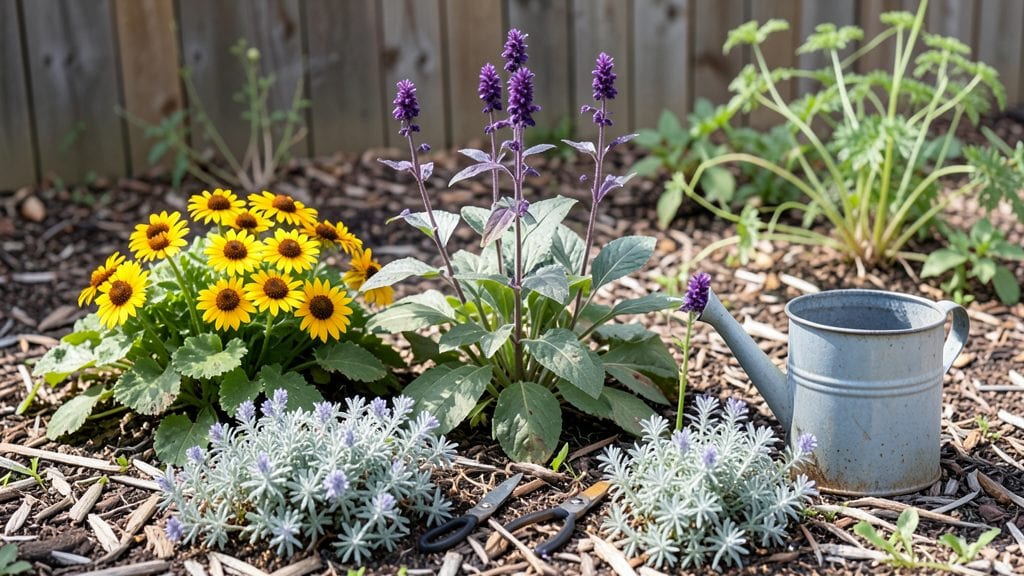
Transform your yard with lawn and flower bed maintenance—a few seasonal tweaks turn "meh" into "showstopper," so you’ll never second-guess mowing, pruning, or mulching again. 🌿 I’ve turned my own patchy yard into a neighborhood highlight by sticking to this foolproof schedule, and you can too.
The secret isn’t fancy tools or expensive soil—it’s timing and consistency.
Start with the basics: a sharp mower blade (dull blades tear grass), seasonal mulch (2–3 inches for flower beds), and a soil aerator (rent one if you don’t own).
Most chores take under 30 minutes—watering deeply once a week, trimming back dead foliage in spring, and adjusting mower height for summer heat. Even beginners can nail this without overcomplicating it.
By following this calendar, you’ll end up with vibrant green grass that resists weeds, flower beds bursting with color, and a yard that feels like a five-star resort—no green thumb required.
The best part? You’ll spend less time fixing problems and more time enjoying your outdoor space. Let’s break it down month by month.
This system works for any climate, from hot Southern summers to cold Northern winters. Whether you’ve got a tiny urban yard or a sprawling suburban lawn, the same principles apply. No more last-minute panic before summer barbecues—just a relaxed routine that keeps everything looking effortless.
📚 In This Guide
- What you need
- Instructions
- Tips and common mistakes
- Wrapping up and next steps
What you need
- ● Organic mulch (2–4 inches, depending on bed size) – Shredded bark, pine straw, or compost
- ● Slow-release fertilizer (10–20 lbs per 1,000 sq ft) – Look for a balanced NPK ratio (e.g., 10-10-10)
- ● Soil amendments (as needed) – Compost, peat moss, or sand for drainage
- ● Pruning shears – For trimming dead growth (bypass blades for flowers, anvil for tough stems)
- ● Hand trowel – For weeding and transplanting small plants
- ● Lawn mower – Adjustable height settings (1–4 inches, depending on grass type)
- ● String trimmer/edger – For clean edges and hard-to-reach spots
- ○ Garden hose with adjustable nozzle – For deep watering (soaker hose optional)
- ● Leaf rake & garden rake – Leaf rake for cleanup, garden rake for aerating soil
- ● Wheelbarrow – For hauling mulch, soil, or debris
- ● Lawn aerator – For compacted soil (rent or buy a core aerator)
- ● Soil pH test kit – To check acidity/alkalinity before fertilizing
- ● Knee pads or gardening stool – For comfort during long sessions
- ● Garden gloves – Heavy-duty for thorny plants, lightweight for delicate tasks
- ● Post-emergent herbicide – For stubborn weeds (use sparingly!)
Step-by-step season-long maintenance for lawns and flower beds
Here's the year-round routine I swear by to keep your outdoor spaces lush and low-maintenance.
🌱 Step 1: Spring Awakening (March-April)
Start by removing winter mulch and debris from flower beds—this prevents suffocating roots and fungal growth. I use a stiff rake to pull back the 2-3 inch layer of mulch completely, then sift through with gloved hands to remove any dead stems or leaves. This is also when I check for winter damage: look for brown, crispy foliage on perennials or bare patches in the lawn.
For lawns, set your mower to 3-4 inches high—taller grass shades out weeds and retains moisture. Apply a slow-release fertilizer (I use a 10-10-10 blend) when the soil reaches 55°F, which is usually mid-April in most climates. Water deeply after fertilizing to activate the granules. You'll see new growth within 7-10 days—that's your confirmation everything's working.
☀️ Step 2: Summer Vitality (May-August)
During peak heat, I water flower beds deeply twice weekly—early morning is best to prevent evaporation. Use a soaker hose or drip irrigation to deliver moisture directly to roots while keeping foliage dry (this prevents powdery mildew). For lawns, only water when the grass shows footprint marks that don't spring back up—this means roots are thirsty.
Deadhead spent blooms immediately to encourage continuous flowering. I use clean, sharp pruners to snip just above the first set of healthy leaves on each stem. This isn't just about looks—it redirects the plant's energy into new growth rather than seed production. For lawns, mow weekly but never remove more than one-third of the blade height at once. You'll notice the grass stays green longer and recovers faster from heat stress.
✂️ Step 3: Fall Preparation (September-October)
This is when I divide and transplant any overcrowded perennials. Dig up clumps when the soil is still warm but nights have cooled to 50°F, then separate sections with a clean knife. Replant divisions in fresh soil, water thoroughly, and add a 2-inch layer of compost around the base. The goal is to strengthen roots before winter—you'll see new shoots emerge next spring.
For lawns, aerate in early fall when the soil is moist but not soggy. I rent a core aerator to pull 3-4 inch deep plugs across the entire lawn, then top-dress with 1/4 inch of compost. This improves drainage and feeds grass roots as they prepare for dormancy. Rake up all fallen leaves—thick layers smother grass and create thatch.
⏰ Step 4: Winter Protection (November-February)
Cover tender perennials with 4-6 inches of straw mulch once temperatures drop below 25°F. I use untreated straw because it breaks down slowly and insulates roots. For lawns, only mow until growth slows completely—leave the clippings as natural mulch. In late winter, I check for heaving (when frozen soil pushes plants out of the ground) and gently tuck them back in with soil.
This is also when I plan next year's flower bed layout. Sketch your design on graph paper, noting mature plant sizes and sunlight requirements. I mark each spot with a wooden stake to prevent accidental digging. The key is to avoid planting anything until the soil warms to 50°F—cold soil slows root establishment and stresses young plants.
Tips & tricks for perfect season-long lawn and flower bed care
A few strategic adjustments can transform your yard from "just okay" to "neighborhood envy-worthy" without adding hours of work. Here's what I've learned after years of trial and error.
The Soil Temperature Test: Don't guess when to fertilize or plant—use a soil thermometer. The 55°F threshold in spring isn't just arbitrary; it's when soil microbes become active enough to break down fertilizer properly. I test in the morning when soil is coolest, and if it's below 55°F, I wait. You'll notice the difference in root development—plants establish faster when soil is at this optimal temperature.
Watering Wisdom: The "twice weekly" rule for summer watering assumes average conditions, but your yard might need more or less. I check moisture by digging down 2 inches—if it's dry, water deeply. For flower beds, I set a timer on my soaker hose for 45 minutes—this delivers about 1 inch of water, which is what most plants need. The key is consistency: better to water deeply twice than lightly four times.
Mulch Layer Precision: That 2-3 inch mulch layer in spring isn't just for looks—it regulates soil temperature and retains moisture. Too thin (1 inch) and you lose benefits; too thick (4+ inches) and it suffocates roots. I use a straightedge to measure and a rake to spread evenly, creating a uniform barrier that protects without smothering. For winter protection, I double-check the 4-6 inch straw layer with a ruler to ensure proper insulation.
Seasonal Transition Checklist: When nights cool to 50°F in fall, I know it's time for perennials. But don't rush—wait until mornings dip below 50°F consistently before dividing plants. For lawn aeration, I test soil moisture by squeezing a handful: if it holds shape but crumbles when pressed, it's ready. This prevents compacted soil that blocks water and nutrients, and you'll see greener grass next spring.
Pro Tips for Lawn And Flower Bed Maintenance
- A few strategic adjustments can transform your yard from "just okay" to "neighborhood envy-worthy" without adding hours of work.
- The Soil Temperature Test: Don't guess when to fertilize or plant—use a soil thermometer.
- Watering Wisdom: The "twice weekly" rule for summer watering assumes average conditions, but your yard might need more or less.
Frequently asked questions
Got questions about keeping your lawn and flower beds lush and healthy? We’ve got answers! Here are some of the most common concerns—plus quick fixes to keep your green spaces thriving all year.
How often should I water my lawn and flower beds?
Water deeply 2-3 times per week (early morning is best) to encourage deep root growth. Lawns need about 1-1.5 inches of water, while flower beds may need less—check soil moisture 2 inches down. Overwatering is a common mistake! Adjust based on rain and soil type (sandy soil drains faster).
When is the best time to fertilize my lawn and flower beds?
For lawns, fertilize in early spring, late spring, and fall for steady growth. Flower beds benefit from a slow-release fertilizer in early spring and a light top-dressing in summer. Always follow label instructions—overdoing it can burn plants. Organic options like compost or bone meal are great alternatives!
How do I get rid of weeds without harming my plants?
Start with pre-emergent herbicide in early spring to stop weeds before they sprout. For existing weeds, use a spot treatment with vinegar or a targeted herbicide (like glyphosate for tough weeds). Hand-pulling works for small patches—just grab weeds at the root! Mulch heavily to suppress future growth.
What’s the best way to prepare my lawn and flower beds for winter?
Start by cutting grass shorter (but not too short!) and clearing dead plants from flower beds. Apply a layer of mulch (2-3 inches) to protect roots, and aerate compacted lawn areas if needed. Avoid fertilizing late in the season—let plants rest. Drainage is key! Clear gutters and check hoses to prevent ice damage.
Why are my flower beds looking dull, and how can I revive them?
Dull flower beds often mean poor soil, overcrowding, or lack of nutrients. Start by pruning dead or overgrown plants, then add compost or a balanced fertilizer. Rotate plants annually to prevent soil depletion, and consider dividing perennials every 2-3 years for a fresh, vibrant look.
Wrapping up and next steps
Mastering lawn and flower bed maintenance doesn’t have to be overwhelming—just consistent! 🌱 By following this season-long care calendar, you’ll keep your outdoor space thriving with minimal effort and maximum impact. Start small, stay organized, and watch your garden transform into a lush, vibrant retreat.
Ready to take the next step? Bookmark this guide and tackle one task at a time—your future self (and your plants!) will thank you. 🌸✨