
Lawn
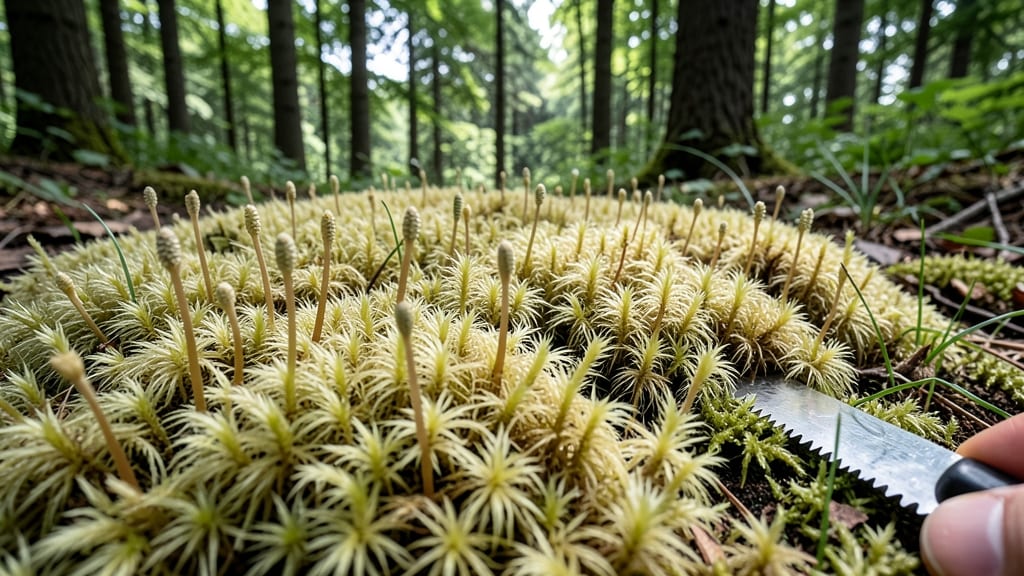
A lawn full of moss isn’t just unsightly—it’s a sign your soil is too acidic, compacted, or starved of nutrients. 🌱 I’ve battled this problem for years, and what I learned changed how I maintain my yard. The good news?
You can reverse it with three targeted steps that work faster than store-bought remedies. The root cause is simple: moss thrives where grass struggles—shady spots, poor drainage, or soil with a pH below 6.0. My first lawn was a mossy mess until I tested the soil and adjusted it.
The fix isn’t about killing moss (though that’s an option) but creating conditions where grass outcompetes it naturally. By aerating in fall, spreading lime to raise pH, and overseeding with moss-resistant varieties, I transformed my lawn in a single season.
The grass fills in, the moss disappears, and the soil finally supports healthy growth. No harsh chemicals—just science-backed adjustments. This method works year-round, but fall is ideal for aeration and overseeding. Even if your lawn is 80% moss now, these steps will give grass a fighting chance.
Let’s get your yard back to vibrant green.
The Hidden Triggers Behind Green Spots
Moss thriving in your lawn isn’t just a random nuisance—it’s a clear signal that something’s off with your soil’s health. Understanding the root causes (literally!) is the first step to reclaiming a lush, grass-dominated yard.
Below, we break down the science behind why moss takes over, so you can tackle the problem head-on.
Moss loves water—way more than grass. When your lawn stays soggy for extended periods, moss spores germinate and spread rapidly because they thrive in consistently damp conditions. Here’s why it happens:
- Poor Drainage: Clay-heavy or compacted soil repels water, creating puddles that moss adores. Grass roots, meanwhile, suffocate without oxygen.
- Shady, Low-Lying Areas: Moss often invades spots where water pools after rain (e.g., near downspouts or slopes). Grass struggles to grow in these waterlogged zones.
- Overwatering: While grass needs regular hydration, excessive watering (especially in cool, wet climates) turns your lawn into a moss buffet.
Pro Tip: 💡 Test your soil’s drainage by digging a 6-inch hole and filling it with water. If it drains in <1 hour, you’re okay; if not, amend with organic matter (compost or sand) to improve aeration.
Moss isn’t picky about soil quality—it flourishes in acidic conditions (pH <5.5), while most grasses prefer a neutral to slightly acidic range (6.0–7.0). Here’s how acidity invites moss:
| Cause | How It Helps Moss |
|---|---|
| Decomposing Organic Matter | Leaves, pine needles, or mulch break down into humic acids, lowering pH over time. |
| Fertilizer Imbalance | Overuse of nitrogen-heavy fertilizers (common in lawn care) can acidify soil, while lack of lime prevents pH correction. |
| Natural Soil Composition | Peat-based soils or areas with high organic content are naturally acidic, giving moss an edge. |
Action Step: 🔥 Test your soil’s pH with a DIY kit or send a sample to a lab. If pH is <5.5, apply pelletized lime (follow package rates) to raise it gradually.
Grass needs 4–6 hours of direct sunlight daily to photosynthesize and outcompete moss. In shady spots, moss wins because:
- Slower Grass Growth: Low light weakens grass roots, making it vulnerable to moss colonization.
- Moss’s Photosynthesis Hack: Moss can photosynthesize in low light and even absorbs water from humidity, while grass wilts.
- Tree Canopy Buildup: Falling leaves and branches create a moist, shaded microclimate perfect for moss.
Solution: 🌡️ If shade is permanent, choose shade-tolerant grass varieties (e.g., fine fescue). For temporary shade (new trees), mulch around tree bases to limit moss spread to the lawn.
Compacted soil blocks oxygen and water flow, creating the perfect moss paradise. Here’s how compaction helps moss:
- Grass Struggles: Compacted soil restricts root growth, weakening grass and leaving bare patches for moss.
- Moss Loves Tight Spaces: Moss spores latch onto compacted soil because it holds moisture longer.
- Foot Traffic/Vehicles: Heavy use densifies soil, reducing porosity and inviting moss.
Fix It: ⏰ Rent a core aerator (spring/fall) to pull soil plugs, then top-dress with compost to improve structure. Avoid walking on wet lawns to prevent further compaction.
Moss outcompetes grass when your soil lacks key nutrients. Here’s how deficiencies help moss:
| Missing Nutrient | Moss’s Advantage |
|---|---|
| Nitrogen (N) | Grass needs N for growth; moss uses less and thrives in low-N soil. |
| Phosphorus (P) | Supports root development—without it, grass can’t outcompete moss. |
| Potassium (K) | Weakens grass disease resistance, making it easier for moss to take over. |
Quick Fix: 🎯 Apply a balanced fertilizer (10-10-10 or 16-4-8) in early spring to boost grass vitality. Avoid high-nitrogen, low-P/K fertilizers—they worsen the problem.
Fixing Your Lawn’s Overgrown Moss
A lawn full of moss isn’t just an eyesore—it’s a sign your grass is struggling. The good news? With the right approach, you can reclaim a lush, healthy lawn in no time.
Below, we break down practical, step-by-step solutions tailored to the root causes of moss growth (yes, pun intended). Plus, we’ll share prevention tips to keep your lawn thriving long-term.
Moss thrives in low-light, dense areas where grass can’t compete. If your lawn has thin patches or feels spongy underfoot, it’s time to loosen the soil and boost sunlight exposure.
🔥 Step 1: Aerate to Break Up Compaction
- Why? Compacted soil blocks water, air, and nutrients, giving moss an unfair advantage.
- How?
- Rent a core aerator (or hire a pro) to pull small soil plugs from your lawn.
- Focus on high-traffic areas and shady spots where moss is thickest.
- Pro Tip: Do this in spring or early fall when grass is actively growing. ⏰
🍳 Step 2: Overseed with Shade-Tolerant Grass
- Why? Moss won’t stand a chance if you plant grass that loves low light.
- How?
- Choose fine fescue, creeping red fescue, or Kentucky bluegrass—these varieties handle shade better than standard turf.
- Spread seed after aerating, then lightly rake to ensure soil contact.
- Water lightly daily for 2–3 weeks to help seeds germinate. 💧
👨🍳 Step 3: Top-Dress with Compost
- Why? Moss hates competition for nutrients.
A thin layer of compost adds organic matter, improving soil structure and feeding grass roots. - How? - Mix ½ inch of compost with a bit of sand (for drainage) and spread evenly. - Lightly rake in, then water thoroughly. - Bonus: This also helps prevent future moss by keeping soil loose and well-drained. ✨
If your soil is too acidic (pH below 6.0), moss will spread like wildfire. Grass, on the other hand, prefers a neutral to slightly acidic pH (6.0–7.0).
🌡️ Step 1: Test Your Soil’s pH
- Why? You can’t fix what you don’t measure.
- How?
- Buy a DIY soil test kit (or send a sample to a local extension office).
- Aim for a pH between 6.0 and 7.0 for optimal grass growth.
🎯 Step 2: Raise pH with Lime
- Why? Lime neutralizes acidity, creating an environment where grass thrives and moss struggles.
- How?
- Apply pelletized lime (follow package rates based on your test results).
- Spread evenly with a broadcast spreader, then water deeply.
- Re-test pH in 3–6 months and reapply if needed.
- ⚠️ Warning: Don’t overdo it—too much lime can harm grass.
Stick to the recommended amounts! 🚫
Moss loves soggy spots because it retains moisture better than grass. If your lawn has poor drainage, moss will take over unless you fix the underlying issue.
🔪 Step 1: Check for Water Pooling
- Why? Standing water suffocates grass roots and invites moss.
- How?
- Walk your lawn after rain—look for puddles or areas that stay damp longer.
- If water pools in low spots, consider grading the lawn (slightly sloping soil away from problem areas).
⏰ Step 2: Install a French Drain (For Severe Cases)
- Why? If water tables are high or clay soil is trapping moisture, a French drain can redirect excess water.
- How?
- Dig a trench in the affected area, line it with landscape fabric, then fill with gravel.
- Add a perforated drain pipe and cover with soil.
- Pro Tip: For smaller areas, sand top-dressing (¼ inch of sand) can improve drainage over time. 🏗️
💡 Step 3: Choose Drought-Tolerant Grass
- Why? Some grasses (like tall fescue or buffalo grass) handle moisture better than others.
- How?
- Replace mossy patches with seed or sod of a moisture-resistant variety.
- Pair with proper watering (deep but infrequent) to encourage deep root growth.
Once you’ve tackled the moss, prevent its return with these long-term strategies:
- 🌿 Mow High: Keep grass at 3–4 inches to shade out moss and strengthen roots.
- 💧 Water Deeply: Water early in the morning (1–1.5 inches per week) to encourage grass growth and discourage moss.
- 🍂 Fertilize Regularly: Use a balanced, slow-release fertilizer (16-4-8 or similar) in early spring and fall.
- 🌞 Increase Sunlight: Trim overhanging trees or thin dense foliage to let more light reach your lawn.
- 🔄 Rake Out Moss: If small patches appear, rake them out before they spread (but don’t till—this can worsen compaction).
Final Thought: Moss isn’t invincible—it’s just opportunistic. By fixing soil, adjusting pH, improving drainage, and choosing the right grass, you’ll create an environment where moss can’t survive. And with a little prevention, your lawn will stay green, thick, and moss-free for years to come! 🌱💪
Frequently asked questions
Why does moss grow so quickly in my lawn?
Moss spreads rapidly because it thrives in damp, shaded conditions where grass struggles. It doesn’t need deep roots or sunlight, so once your lawn has poor drainage or compacted soil, moss takes over within weeks. Unlike grass, it also absorbs water from humidity, making it nearly unstoppable in wet climates or low-lying areas.
Can I just remove moss without fixing the soil?
Raking out moss temporarily helps, but without addressing the root causes (acidic soil, poor drainage, or shade), it’ll return within months. Think of it like patching a leaky roof—you’re treating the symptom, not the problem. Focus on aerating, adjusting pH, and improving sunlight exposure for long-term results.
What’s the fastest way to raise my lawn’s pH?
For quick results, use pelletized lime—it dissolves slowly but effectively. Apply ½ pound per 100 square feet if your pH is 5.5, or follow the rate on the package. Water deeply after application, and re-test in 3–6 months. Avoid quick-lime (calcium oxide), which can burn grass roots and cause uneven pH changes.
Will moss come back if I fix my lawn now?
It might return for a season or two, especially if moss spores are already in your soil. But with proper aeration, overseding with shade-tolerant grass, and regular maintenance, you’ll crowd out moss within 1–2 years. The key is consistency—moss is persistent, but grass is stronger once given the right conditions.
Are there chemical treatments to kill moss fast?
Yes, but they’re not always necessary. Iron sulfate or fertilizers with iron (like 16-4-8) can kill moss quickly by blocking its chlorophyll, but they don’t fix the underlying soil issues. For a natural approach, focus on lime and compost—they improve soil health while starving out moss over time. Chemicals are a band-aid, not a cure.