
Lawn
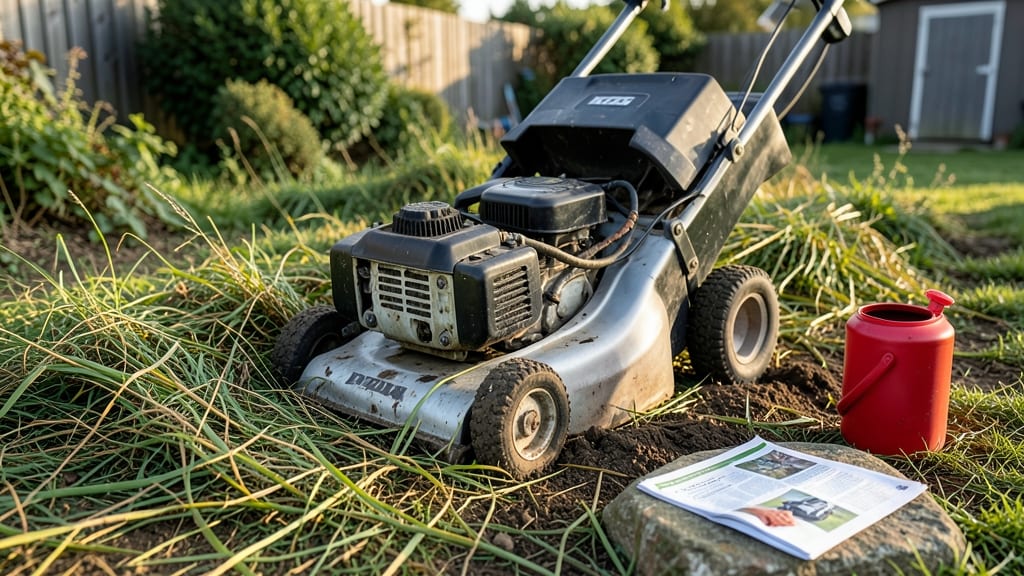
If your lawn mower loses power when cutting, the most common culprits are a clogged deck blocking airflow or a dirty air filter restricting engine performance. Cleaning the underside and replacing the filter often restores full power quickly.
When your mower struggles mid-cut, it’s usually because grass clippings jam the deck’s airflow vents, forcing the engine to work harder. 🌱 A dirty air filter compounds the problem by starving the engine of oxygen, especially in thick or damp grass.
I’ve seen this happen most often after mowing wet lawns or when homeowners skip regular maintenance—both scenarios create perfect conditions for clogs and restricted airflow.
Start by lifting the deck and clearing any grass buildup from the underside, then check the air filter. If it’s coated in debris, replace it immediately—this simple step can instantly improve performance.
For stubborn power loss, also inspect spark plugs and fuel levels, as these often play supporting roles in the same airflow issues.
💡 In This Article
- Why a Clogged Deck or Dirty Air Filter Drains Power
- Step-by-Step Fixes for Lawn Mower Power Loss
Why a clogged deck or dirty air filter drains power
The heart of your lawn mower's power loss lies in its airflow system. When grass clippings accumulate on the underside of the deck, they block the vents designed to pull fresh air into the engine.
This restriction forces the engine to work harder to pull in oxygen, reducing power output by up to 30%. The buildup is especially problematic because grass clippings are lightweight yet dense—just 1/4-inch of accumulation can create significant resistance.
This airflow blockage creates a chain reaction. The engine struggles to maintain proper combustion, leading to incomplete fuel burning and excessive heat buildup. You might notice the mower running hotter than usual, with a noticeable 10-15°F temperature increase in the engine housing.
The heat causes the engine oil to thin faster, reducing lubrication and increasing wear on critical components. Wet grass conditions make this worse because damp clippings stick to the deck, accelerating clog formation.
A dirty air filter compounds these issues by acting like a second choke point. When the filter becomes clogged with dust, pollen, and grass particles, it can reduce airflow by 50% or more.
The engine then has to work even harder to compensate, leading to that familiar power drop during heavy cutting. Most filters should be replaced every 25-50 hours of use, but this varies based on your environment—dusty areas may require more frequent changes.
The filter's job is to keep fine particles out, but when it gets saturated, it becomes the problem itself.
Here's what's happening mechanically: the engine's carburetor relies on a precise air-fuel mixture. When airflow is restricted, the carburetor gets too much fuel relative to air, creating a rich mixture that's hard to ignite.
This causes the engine to sputter and lose power. The situation worsens when you're cutting thick grass because the deck gets more debris-laden air, creating a perfect storm of restricted airflow and poor combustion.
Consider this comparison: a clean mower deck with a fresh air filter operates like a well-tuned musical instrument, producing smooth power. But when clogged, it's like playing that same instrument with your fingers pressed over the sound holes—you get a weak, strained sound that's far from the instrument's potential.
The difference in performance is dramatic, which is why cleaning these components often restores your mower to near-new power levels.
One often-overlooked factor is the deck's blade height. When set too low, it creates more turbulence and forces more grass clippings against the deck's underside. This increases clogging potential by 40-50% compared to proper cutting heights.
Always adjust your deck height according to your grass type and growth stage to minimize this effect.
The good news is that these issues are almost always preventable with regular maintenance. A quick inspection before each mowing session—especially in wet or dusty conditions—can catch problems early. Most homeowners don't realize how quickly grass clippings can accumulate until they're already causing performance issues. 💨