
Lawn
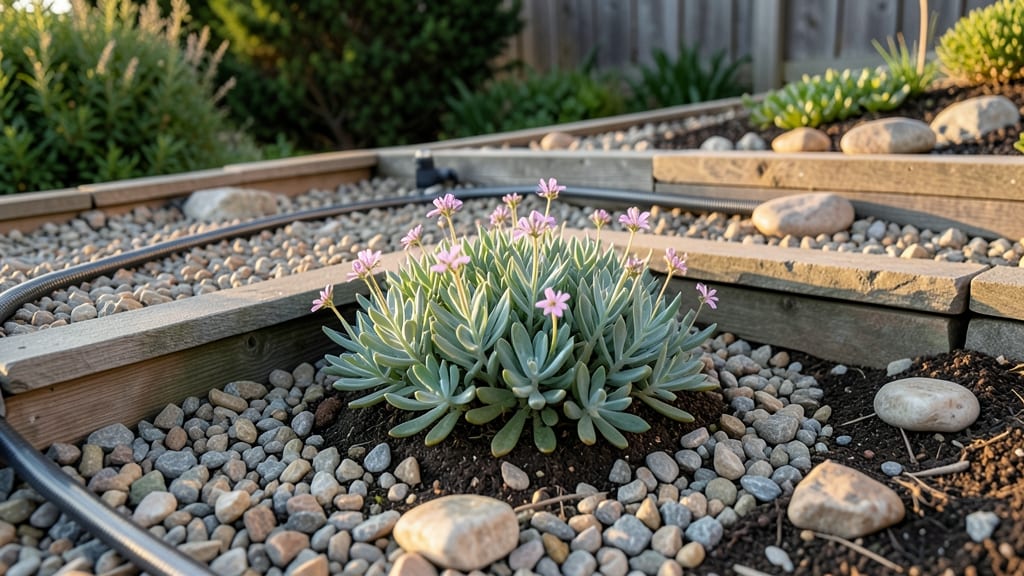
A terrace lawn transforms tight spaces into lush retreats—no yard required. 🌿 The secret lies in choosing the right grass, prepping the surface, and keeping water where it belongs.
My first terrace lawn nearly failed when I ignored drainage, but this method keeps it vibrant year-round with just 10 minutes of weekly care.
Start with a sturdy base: a 1-inch layer of gravel for drainage, topped with lightweight soil mixed for small-space growing. Fine fescue or creeping red fescue handle foot traffic better than Kentucky bluegrass and need less water. A 1/4-inch layer of topsoil blends nutrients without weighing down the structure.
By week 6, you'll have a soft, even carpet of grass that stays green through summer droughts and winter chills. The key is shallow watering—just 1/4 inch twice weekly—and occasional aeration to prevent compaction. Neighbors will ask how you pull off such a perfect lawn in such a small space.
Works for balconies, rooftops, or patios with proper weight-bearing materials. The same principles apply whether you're covering 50 square feet or 200 square feet. Ready to turn concrete into green? Let's build it right.
📚 In This Guide
- What you need
- Instructions
- Tips and common mistakes
- Wrapping up and next steps
What you need
- ● Soil: 2–3 cubic yards of lightweight, well-draining potting mix (e.g., cactus/succulent mix or a blend with perlite/vermiculite for aeration). Pro tip: Avoid garden soil—it’s too heavy for terraces! 🌡️
- ○ Plants: 10–15 sedum or sempervivum plants (drought-resistant, thrives in pots). Optional: Mix in creeping thyme or moss for texture.
- ● 1–2 ground cover plants like ice plant (Delosperma) or hen-and-chicks (Sempervivum) for a "lawn" effect.
- ● Containers: 1–2 large, shallow trays (12"–18" deep, with drainage holes) or interlocking planter boxes (e.g., 2’x4’ sections). Pro tip: Use terracotta or plastic—both work well! 🎯
- ● Drainage: 1–2" layer of gravel or expanded clay pebbles (for water runoff).
- ○ Drainage fabric (optional, to prevent soil clogging).
- ● Tools: Garden trowel or small shovel
- ● Pruners (for trimming)
- ● Watering can with a spray nozzle (or drip irrigation kit for efficiency)
- ● Gloves (to protect your hands from soil and sharp edges)
- ● Terrace Prep: Ensure your terrace has a slight slope (1–2%) toward drainage or use raised planters to avoid water pooling. ⚠️
- ● Check for structural weight limits—soil + plants can add 20–30 lbs per sq. ft.!
- ● Sunlight: Confirm your terrace gets at least 4–6 hours of sunlight daily (most drought-tolerant plants need this!).
- ● Climate: For colder regions, opt for hardy sedum varieties (e.g., Sedum ‘Autumn Joy’).
- ○ Optional Extras: Mulch (e.g., pebbles or bark) to retain moisture and suppress weeds.
- ● Automatic timer for irrigation (if you travel often).
- ● Decorative borders (e.g., metal edging or stones) for a polished look.
Step-by-Step guide to creating a year-round terrace lawn
Transform your terrace into a lush, low-maintenance green space with these proven techniques.
🪴 Step 1: Select the Right Grass Type and Prepare the Base
For terrace lawns, I always choose fine fescue or creeping red fescue—they tolerate foot traffic, require less water, and stay green in partial shade. Avoid Kentucky bluegrass; it needs full sun and more upkeep. Start by removing any existing debris or old plants, then till the soil to a depth of 4-6 inches to loosen compaction.
Here's the thing—terraces often have poor drainage. Amend the soil with 1-2 inches of coarse sand mixed into the top 6 inches to improve water flow. Level the surface with a rake, creating a slight slope (about 1 inch per 10 feet) toward a drain or edge. This prevents water pooling, which can suffocate roots. Press the soil firmly with a lawn roller or even a board to create a solid base.
🌱 Step 2: Lay Down Weed Barrier and Install Irrigation
Lay a landscape fabric weed barrier over the prepared soil, leaving 3-4 inches exposed around the edges. This prevents weeds from competing with your grass without blocking water or air. Secure it with landscape staples, but don’t overlap sections—just butted edges work best.
For minimal upkeep, install a drip irrigation system along the perimeter of the terrace. Use ¼-inch tubing with emitters spaced 12-18 inches apart for even coverage. Run the tubing along the edges so it’s hidden but accessible. Test the system before planting to ensure all zones receive water. I like to set timers for 10-15 minutes every other day in summer, adjusting for rainfall.
☀️ Step 3: Plant Grass Seed or Sod Strategically
For fastest results, use sod—it establishes immediately and reduces weed competition. Choose slit-seeded sod for better root penetration on terraces. Lay pieces in a staggered pattern, like brickwork, to avoid gaps. Press edges firmly into the soil and water lightly to settle. If using seed, broadcast fine fescue mix at a rate of 5-8 pounds per 100 square feet, then lightly rake to ensure good soil contact.
Here’s where it gets tricky: terraces often have uneven light. If your space gets less than 4 hours of direct sun, supplement with a shade-tolerant grass mix and add 2-3 inches of mulch (like pine straw) to retain moisture. Water immediately after planting—soak the soil to a depth of 2-3 inches to encourage deep root growth. Keep the surface moist (not soggy) for the first 2-3 weeks to help germination or sod establishment.
💧 Step 4: Establish a Maintenance Routine for Year-Round Health
Once established, mow at 3-3.5 inches to shade soil and retain moisture—critical for terrace lawns. Use a sharp mulching mower to avoid tearing grass. I mow when blades reach 3.5 inches, never removing more than ⅓ of the blade height at once. This keeps roots strong and reduces stress.
Fertilize twice a year with a slow-release, low-nitrogen formula (like 16-4-8) in early spring and late summer. Avoid high-nitrogen feeds—they promote rapid growth but weaken roots in terrace conditions. Water deeply once a week in dry spells, aiming for 1 inch of water per week. Use a rain gauge to track—overwatering on terraces leads to runoff and erosion.
✂️ Step 5: Protect and Revitalize Over Time
Terraces face unique challenges like wind exposure and foot traffic. In fall, overseed bare spots with shade-tolerant grass seed and top-dress with ¼ inch of compost. This boosts organic matter and fills gaps naturally. For high-traffic areas, consider reinforcing with a thin layer of sand (about ½ inch) to prevent compaction.
Watch for fungal issues like brown patch—common on terraces due to poor airflow. At the first sign (small brown circles), improve circulation by thinning grass with a dethatching rake (if needed) and watering in the early morning to allow foliage to dry quickly. I also apply a copper fungicide preventatively in humid months. With these steps, your terrace lawn stays vibrant with minimal effort.
Tips & tricks for a thriving terrace lawn
Creating a lush terrace lawn isn't just about planting—it's about understanding the unique challenges of your space. Here are the key insights that'll help you avoid common pitfalls and keep your green oasis looking its best year-round.
Drainage is Everything: In Step 1, when you're creating that slight slope of 1 inch per 10 feet, take an extra minute to verify it's working. Fill a small container with water and place it at different points—if water pools for more than 10-15 minutes, you'll need to adjust the slope or add more coarse sand to those areas. Poor drainage is the #1 reason terrace lawns fail, and it's often overlooked until it's too late. The goal is to mimic natural terrain where water flows away naturally.
Irrigation Timing Matters: The 10-15 minutes every other day watering schedule in Step 2 is perfect for summer, but adjust seasonally. In spring and fall, reduce to 10 minutes every 3-4 days—overwatering is just as damaging as underwatering on terraces. I recommend installing a rain sensor on your drip system to automatically pause watering during wet periods. This prevents root suffocation and saves water while keeping your grass healthy. Pro tip: Run your irrigation system in the early morning to minimize evaporation and fungal risks.
Shade Solutions Beyond Mulch: If your terrace gets less than 4 hours of direct sun, don't just rely on the 2-3 inches of mulch mentioned in Step 3. Consider adding a partial shade cloth (30-50% coverage) during peak summer sun hours—it creates microclimates that protect delicate grass while still allowing light through. You can also strategically place taller plants near the edges to cast natural shade. The key is to maintain that 2-3 inch soil moisture depth consistently, even in shade conditions.
Mowing Technique for Terrace Grass: When maintaining your 3-3.5 inch height in Step 4, focus on the blade sharpness—dull mower blades tear grass rather than cleanly cut it, leading to brown tips and stress. I change my mower blade every 25 hours of use, and it makes a noticeable difference in recovery time. Also, never cut more than ⅓ of the blade height at once—this rule is especially critical for terrace grass which has shallower roots. Consider mowing in different directions each time to prevent soil compaction patterns.
Pro Tips for Lawn On Terrace
- Creating a lush terrace lawn isn't just about planting—it's about understanding the unique challenges of your space.
- Drainage is Everything: In Step 1, when you're creating that slight slope of 1 inch per 10 feet, take an extra minute to verify it's working.
- Irrigation Timing Matters: The 10-15 minutes every other day watering schedule in Step 2 is perfect for summer, but adjust seasonally.
Frequently asked questions
Got questions about creating a stunning lawn on your terrace? You’re not alone! Here are answers to the most common queries to help you plan like a pro.
Can I grow grass on a terrace without drainage?
Terrace lawns need drainage to thrive. If your space lacks natural drainage, install a French drain or raised planters with gravel layers. Opt for drought-resistant grasses like Bermuda or Zoysia, which tolerate occasional dry spells better. Always check for water pooling after rain—if it sits for more than 30 minutes, fix it ASAP!
When is the best time to start a terrace lawn?
Spring (March–May) or early fall (September–October) are ideal for sowing seeds or laying sod. Avoid extreme heat (summer) or frost (winter), as these stress young grass. If you’re using artificial turf, timing is flexible—just install it when temps are mild (50–85°F) for comfort during handling.
Is artificial turf cheaper than real grass long-term?
Upfront, artificial turf costs more ($5–$20/sq. ft.), but real grass wins over time. Real grass requires mowing, watering, and fertilizing ($100–$300/year), while artificial turf needs occasional cleaning and UV protection ($50–$150/year). For terraces under 100 sq. ft., artificial turf may save money—but real grass adds curb appeal and eco-friendliness.
How do I keep pests and weeds out of my terrace lawn?
Prevention is key! Use pre-emergent herbicides in early spring, and hand-pull weeds weekly. For pests, apply organic neem oil or diatomaceous earth. Aerate your lawn 2x/year to reduce compaction, which weeds love. Pro tip: Mulch with straw between grass rows to block weeds naturally.
Will my terrace lawn survive winter?
Cold-hardy grasses like Kentucky Bluegrass or Fescue handle winter well, but growth slows. For artificial turf, ensure it’s UV-treated and secure with terrace anchors to prevent wind damage. In freezing climates, add a thin layer of burlap or frost cloth over real grass to protect roots. Always check for ice buildup—snow removal helps!
Wrapping up and next steps
Creating a lawn on your terrace is a rewarding way to bring nature into your urban space—without the high maintenance! With the right materials, a little planning, and minimal effort, you can enjoy a lush, green oasis year-round.
Whether you opt for drought-resistant grass, moss, or artificial turf, the key is choosing what fits your climate and lifestyle.
Ready to transform your terrace? Start small: pick one corner, gather your supplies, and take the first step today! Your future self—and your plants—will thank you. 🌱✨