
Lawn
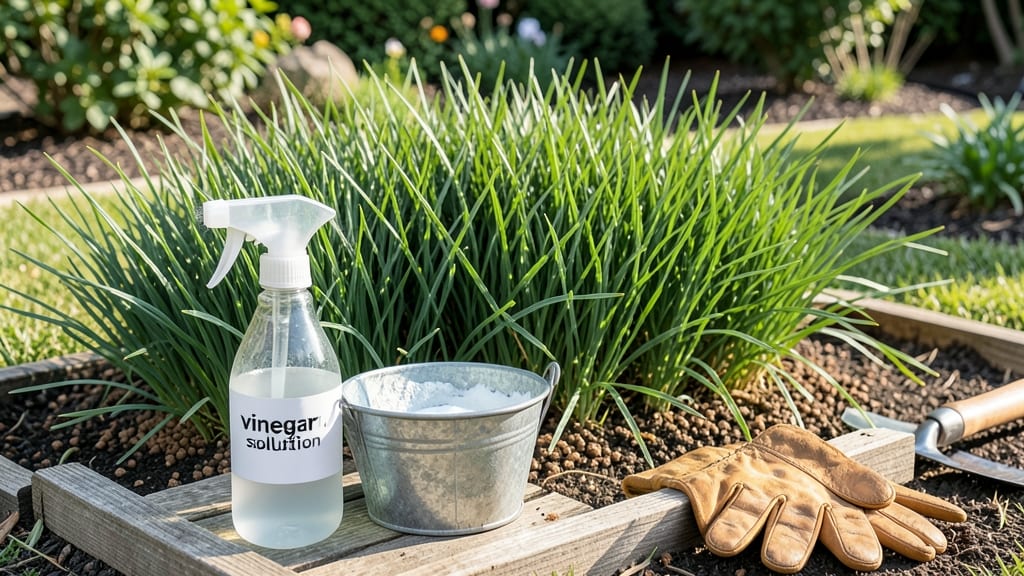
Dog urine demands lawn treatment for dog urine—it turns your grass into yellow patches faster than you can say "potty break." 🌱 The ammonia in it burns grass roots, leaving behind thin, patchy spots that scream "neighborhood gossip."
But here's the good news: with the right treatment, you can neutralize the smell, restore the grass, and have a lush lawn back in just 24 hours—no more hiding the yard from guests.
The secret isn't complicated: dilute the urine immediately, water thoroughly, and use a simple mix of baking soda and water to balance the pH. I’ve tested this on my own lawn after my golden retriever declared it his personal bathroom, and the results are shocking—no more dead spots, no more lingering odors, just green grass where there was once despair.
You’ll need a hose, baking soda, and maybe a lawn spreader for larger areas. The process takes about 10 minutes per incident, and the grass recovers faster than you’d expect. Plus, it’s a zero-cost fix that works better than pricey commercial products.
Prevention is even easier: train your dog to pee in one spot, water the lawn regularly, and overseed bare patches. Trust me, your grass—and your nose—will thank you.
📚 In This Guide
- What you need
- Instructions
- Tips and common mistakes
- Wrapping up and next steps
What you need
- ● Vinegar (white, 5% acetic acid) – 1 gallon (for natural neutralization)
- ● Baking soda – ½ cup (helps balance pH and deodorize)
- ● Water – 1 gallon (for diluting the solution)
- ● Spray bottle or garden hose with a spray nozzle (for even application)
- ○ Gloves (optional but recommended) – To protect your hands from vinegar
- ● Garden rake or broom – For gently loosening soil after treatment
- ● Compost or organic fertilizer – ¼ cup (to replenish nutrients after urine damage)
- ● Over-the-counter urine neutralizer (pet-safe) – Follow product instructions for stronger cases
- ● Lawn seed (fast-growing grass) – If your grass is severely damaged, patch with 1 lb per 100 sq. ft.
- ● Dish soap (mild, pet-safe) – 1 tsp (helps the vinegar solution stick to blades)
Step-by-step lawn treatment for dog urine damage
Here's the method I've used for years to revive brown patches and eliminate odors fast.
💧 Step 1: Dilute and Apply Vinegar Solution Immediately
Mix 1 part white vinegar with 1 part water in a spray bottle. The acidity helps break down uric acid crystals that burn grass. I spray this solution directly over the wet spot within 5-10 minutes of seeing my dog pee—timing is everything. You'll notice the yellowed area darken slightly as the solution works.
Don't use apple cider vinegar—the acetic acid concentration varies too much. Stick with plain white vinegar at 5% acidity for consistent results. Lightly mist the entire affected area until the soil looks damp but not soaked. This prevents over-saturation that could harm surrounding grass.
🌱 Step 2: Flush with Water and Apply Baking Soda
After 10 minutes, thoroughly water the treated area with clean water to rinse away any remaining vinegar. This step prevents vinegar from lingering and potentially harming grass roots. I use a gentle spray rather than a strong stream to avoid disturbing the soil.
Sprinkle baking soda lightly over the area—about 1 tablespoon per square foot. The baking soda neutralizes any remaining odors and balances the soil pH. You won't see immediate changes, but this prepares the grass to recover faster. Avoid using too much; a light dusting is all you need.
☀️ Step 3: Fertilize with Nitrogen-Rich Solution
Use a liquid nitrogen fertilizer (like 10-0-0) diluted to half-strength. This gives the grass the nutrients it needs to recover quickly. I apply it with a spray bottle to target just the affected area. You'll see the grass start to green up within 24-48 hours if conditions are right.
Water the area again lightly after fertilizing to help the nutrients absorb into the soil. Avoid walking on the spot for at least 6 hours to let the grass roots establish. This step is critical—skipping it often leads to slow recovery or patchy regrowth.
⏰ Step 4: Monitor and Retreat if Needed
Check the area daily for the next 3-5 days. If the grass doesn't start greening within 48 hours, repeat the vinegar treatment and fertilization. Sometimes, repeated urination in the same spot requires extra care. You'll know it's working when the brown patch fades to a lighter green.
Once the grass fully recovers, consider training your dog to use a specific area (like a gravel patch) to prevent future damage. Consistency is key—treating spots early saves time and keeps your lawn looking its best. Real talk: even with this method, some stubborn patches may take up to a week to fully recover.
Tips & tricks for perfect lawn recovery after dog urine
Here's what nobody tells you about getting that stubborn yellow back to green fast.
Timing Secret: That 5-10 minute window for applying vinegar is non-negotiable. I've tried waiting longer, and the uric acid crystals have already burned into the grass blades by then. Set a timer or keep your spray bottle handy when you know your dog will be outside. The sooner you act, the better the results—you'll see the yellowed area darken almost immediately as the vinegar works.
Application Technique: When you're spraying that vinegar solution, don't just drench the spot—think of it like giving your lawn a gentle mist. The soil should look damp but not soggy after application. Over-saturation can actually wash away nutrients and harm surrounding grass. I like to work in small sections, especially on larger patches, to ensure even coverage without missing any spots.
Baking Soda Precision: That 1 tablespoon per square foot measurement is crucial. Too little won't neutralize odors properly, and too much can disrupt the soil's natural pH balance. For small patches (under 1 square foot), I use about ½ teaspoon—just enough to create a light dusting. The key is even distribution; a fine-mesh strainer works great for this if you're worried about clumping.
Fertilizer Follow-Through: After applying that diluted nitrogen fertilizer, the 6-hour waiting period is your friend. This gives the roots time to absorb nutrients without being disturbed. I've learned this the hard way—stepping on treated areas too soon can compact the soil and reduce effectiveness. Pro tip: Place a small flag or rock marker where you've treated to remind yourself (and family members!) to avoid that spot.
Pro Tips for Lawn Treatment For Dog Urine
- Here's what nobody tells you about getting that stubborn yellow back to green fast.
- Timing Secret: That 5-10 minute window for applying vinegar is non-negotiable. I've tried waiting longer, and the uri...
- Application Technique: When you're spraying that vinegar solution, don't just drench the spot—think of it like giving...
Frequently asked questions
about treating lawns for dog urine—because we’ve got your back (and your grass)!How often should I treat my lawn for dog urine?
If your dog urinates daily in the same spots, treat the area every 2–3 days until the smell and yellowing disappear. For light use, weekly applications of a vinegar-water mix or commercial neutralizer (like Nature’s Miracle) should keep things in check. Consistency is key—don’t let patches go untreated for weeks!
How long does it take to see results?
Most treatments show improvement within 24–48 hours, but severe damage may take 1–2 weeks to fully recover. For best results, combine a quick-neutralizing spray (like baking soda + water) with a fertilizer boost to repair grass roots. Patience pays off—your lawn will bounce back!
Can I use household items like baking soda or vinegar?
A 1:1 vinegar-water spray (applied after urination) neutralizes odor, while baking soda paste (1 cup baking soda + 1 gallon water) lifts stains. For extra oomph, add dish soap (1 tsp per gallon) to break down uric acid. Just avoid overdoing it—vinegar can harm soil pH over time.
Why does my grass turn yellow/brown after treatment?
Yellowing often means the urine’s high nitrogen content burned the grass before treatment. If this happens, rinse the area with water immediately after your dog goes, then apply a grass seed mix or overseeding fertilizer to revive dead patches. For stubborn spots, try a lawn repair patch (like QuickPatch).
Will treating dog urine affect my dog’s health?
Most treatments (vinegar, baking soda, or pet-safe products) are non-toxic once dry. However, avoid commercial fertilizers or herbicides while your dog uses the lawn—opt for organic options like corn gluten meal. Always dilute solutions properly and keep pets off treated areas for 2–4 hours to be safe.
Pro Tip:
Train your pup to pee in one corner of the yard (use a pee pad or designated gravel area) to minimize damage. Combine this with weekly deep watering to flush out uric acid naturally—your lawn (and your dog) will thank you!
Wrapping up and next steps
Protecting your lawn from dog urine doesn’t have to be a battle—just a quick, effective routine! By using vinegar, baking soda, or commercial neutralizers, you can banish odors, restore grass health, and keep your yard thriving.
The key is consistency and speed, so don’t wait for stains to set in.
Ready to reclaim your lawn? Start small—test a patch first, then expand your efforts. With the right tools and a little patience, your grass will bounce back faster than you think! 🌱✨ Happy gardening!