
Lawn
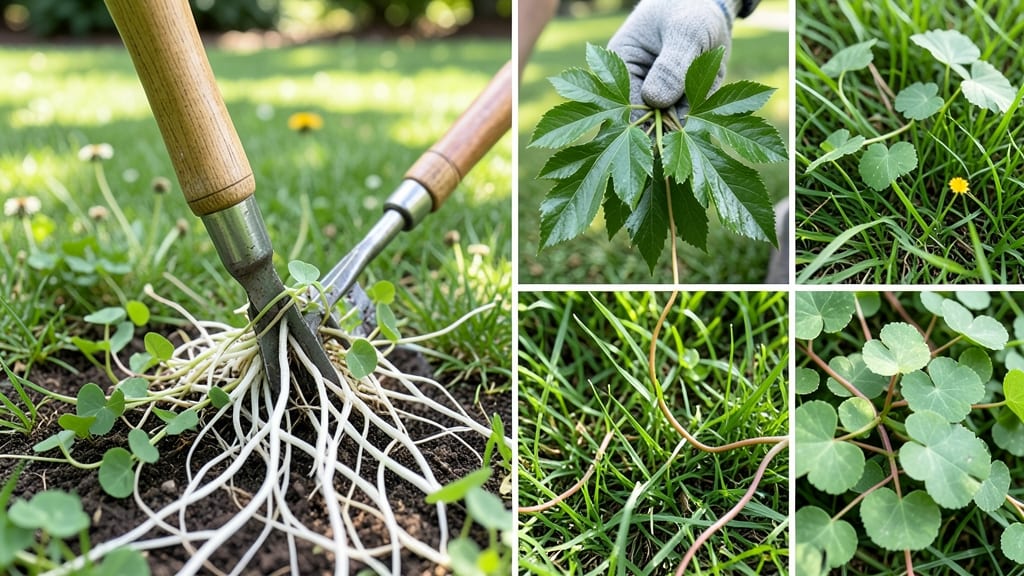
Lawn vine weeds like creeping Charlie and bindweed are the silent saboteurs of a lush green lawn. 🌱 I’ve battled these tenacious invaders for years, and the pull-and-starve method is the only way to send them packing for good—without resorting to harsh chemicals that harm your grass.
The key? Timing, persistence, and understanding their growth patterns to outsmart them before they take over.
This method works best in spring or fall when weeds are actively growing but before they go to seed. You’ll need a sturdy hand weeder, a sharp knife or hori-hori tool for deep cuts, and a thick layer of mulch or cardboard to smother what’s left.
The goal isn’t just to pull them out—it’s to starve their roots by blocking sunlight and breaking their life cycle. It takes patience, but the results are worth it: a lawn that stays weed-free for seasons.
By the time you’re done, you’ll have a lawn where grass reclaims its space, not weeds. The first year is the hardest, but each season you’ll see fewer vines creeping in. This isn’t a quick fix—it’s a long-term strategy that pays off with a thicker, healthier lawn.
And the best part? You’ll save money by avoiding chemical treatments that only mask the problem.
Works for any lawn size, from small patches to entire yards. The secret is consistency—don’t let those vines get a foothold again. Here’s how to make it happen without breaking your back or your budget.
📚 In This Guide
- What you need
- Instructions
- Tips and common mistakes
- Wrapping up and next steps
What you need
- ● Garden Gloves – 1 pair (heavy-duty, chemical-resistant if using herbicides). Pro tip: Look for breathable, ergonomic designs to avoid blisters! 💡
- ○ Hand Trowel or Weeding Tool – 1 (sturdy, with a narrow blade for precision). Optional: A weed popper for stubborn roots.
- ● Pruners or Shears – 1 pair (for cutting thick vines at the base). Spec: Bypass pruners for cleaner cuts.
- ○ Trash Bags – 2-3 (heavy-duty, 30-gallon size) for disposal. Optional: A wheelbarrow if dealing with large volumes.
- ● Cornmeal or Vinegar – 1-2 lbs of organic cornmeal (for starving weeds) OR 1 gallon of white vinegar (20-30% acetic acid) (for spot treatment). Spec: Vinegar must be undiluted for effectiveness.
- ○ Spray Bottle or Pump Sprayer – 1 (1-gallon capacity for vinegar/herbicide mixes). Optional: A hose attachment for larger areas.
- ● Mulch or Cardboard – 5-10 sheets of cardboard (for smothering) OR 2-3 bags of organic mulch (straw or wood chips).
- ● Watering Can or Hose – For post-treatment hydration (if using cornmeal).
- ● Herbicide (Non-Selective) – Glyphosate-based (e.g., Roundup) for last-resort treatment. ⚠️ Warning: Use only if organic methods fail—follow label instructions!
- ● Kneeling Pad – For comfort during long sessions. Spec: Look for padded, non-slip models.
- ● Sunscreen & Hat – If working in direct sunlight for extended periods.
- ● Lawn Rake – For clearing debris post-treatment.
Step-by-Step instructions for eliminating lawn vine weeds
Here’s how I systematically remove stubborn vine weeds without harming your grass.
🌱 Step 1: Identify and Mark the Weeds
Start by walking your lawn in the early morning when weeds are most visible. Look for long, sprawling vines like creeping Charlie, dollarweed, or morning glory—these are the worst offenders. I like to use a white spray bottle filled with water to mark the vines with a tiny drop at each growth point. This helps me spot them again later without damaging the grass.
Focus on the main stems first. These are the "highways" that transport nutrients to new growth. If you miss even one small piece of root, the weed will regrow. I’ve found that marking them first saves time and prevents missed spots during pulling.
✂️ Step 2: Pull Weeds in Sections
Grab the vine near the marked spot and pull upward with steady pressure. The goal is to remove the entire root system—don’t leave any fragments behind. I use a pair of gardening gloves to protect my hands, especially when dealing with prickly weeds like bindweed. Work in small sections (about 3 feet by 3 feet) to avoid missing any vines.
If the weed resists, try wiggling it side to side while pulling upward. This loosens the roots from the soil. For thick mats, I use a flat-head shovel to slice under the vine and lift it out in chunks. The key is patience—rushing leads to regrowth.
💧 Step 3: Starve Remaining Roots
Once you’ve pulled what you can, cover the entire area with a thick layer of cardboard or newspaper (at least 4 layers). This blocks sunlight, which weeds need to survive. I like to weigh down the edges with rocks or bricks to keep it in place. Over time, the roots will decompose and die without sunlight.
For stubborn weeds that keep coming back, I apply a 2-3 inch layer of mulch (like wood chips or straw) after removing the cardboard. This smothers any remaining roots and prevents new weeds from sprouting. Just avoid mulching directly over grass—keep it confined to the weed-free zones.
☀️ Step 4: Monitor and Repeat
Check the treated areas every 7-10 days for new weed growth. If you spot any, pull them immediately before they spread. I’ve found that weeds are most vulnerable right after rain when the soil is soft. Water the lawn lightly the day before pulling to make the roots easier to remove.
After 4-6 weeks, the cardboard will break down, and you can reseed or overseed the area with grass. If weeds persist, repeat the process—consistency is key. I’ve seen lawns completely transformed in just a few months with this method.
Tips & tricks for perfect lawn vine weed removal
Here's what I learned after battling these weeds for years—these tricks save time and frustration.
Timing Secret: Early morning is your best friend for Step 1. Dew makes weeds more visible and easier to spot, and the soil is softer after overnight moisture. I’ve found that weeds like creeping Charlie are most vulnerable right after rain—plan your pulling session for the day after a good soaking. This makes the roots easier to extract without breaking.
Tool Upgrade: For Step 2, I recommend adding a weed torch to your arsenal. After pulling the main vines, run the torch over any remaining root fragments to kill them on contact. Just be careful with dry grass—keep the flame low and focused only on the weed areas. This extra step prevents regrowth that would otherwise require another full treatment cycle.
Sunlight Strategy: In Step 3, when you’re covering the area with cardboard or newspaper, make sure it’s completely flat with no gaps. I’ve seen weeds poke through tiny holes and continue growing. For extra insurance, lay down black plastic sheeting underneath the cardboard first—this creates a double barrier that blocks all light. The weeds will die faster without any sunlight reaching their roots.
Monitoring Hack: Instead of checking every 7-10 days as mentioned in Step 4, I set a reminder on my phone for the 7th day after treatment. This ensures I don’t miss any regrowth. I also keep a small notebook where I sketch a simple map of my lawn with treated areas marked. This helps me track which sections need attention and which are already weed-free.
Pro Tips for Lawn Vine Weeds
- Here's what I learned after battling these weeds for years—these tricks save time and frustration.
- Timing Secret: Early morning is your best friend for Step 1.
- Tool Upgrade: For Step 2, I recommend adding a weed torch to your arsenal.
Frequently asked questions
Got questions about tackling lawn vine weeds like creeping Charlie or morning glory?
You’re not alone—these sneaky invaders can be stubborn! Here are answers to the most common concerns to help you reclaim your yard with confidence.
What’s the best time of year to pull and starve vine weeds?
The ideal window is early spring or fall when weeds are actively growing but before extreme heat or cold sets in. In spring, pull after rain when soil is soft—this makes roots easier to extract. Fall works too, as cooler temps slow regrowth while solarization or mulching starves them out over winter.
How long does it take for the “starve” method to work?
Patience is key! With consistent smothering (using cardboard, thick mulch, or landscape fabric), you’ll see results in 4–8 weeks for small patches. Larger infestations may take up to a year, especially in shaded areas. Monitor for new sprouts and reapply mulch or herbicide as needed.
Can I use vinegar or boiling water to kill these weeds?
Yes, but with caution! A 20–30% acetic acid vinegar solution (mix 1 part vinegar to 1 part water) or boiling water can work for spot treatments. However, these methods are non-selective—they’ll kill grass too. For lawns, stick to targeted herbicides (like glyphosate) or the pull-and-starve combo for safer results.
Will vine weeds come back if I only pull the tops?
Absolutely!
Vine weeds like creeping Charlie spread via underground runners or seeds. To prevent regrowth, dig deep (2–3 inches) to remove roots or runners, and follow up with solarization, mulch, or pre-emergent herbicide. Skipping this step often leads to a repeat invasion within weeks.
What’s the easiest way to keep vine weeds from spreading to my garden beds?
Create a physical barrier using edging, landscape fabric, or even a trench filled with wood chips. For existing spreads, hand-pull weeds before they flower (to stop seed production) and apply corn gluten meal in fall as a natural pre-emergent. Regular mowing (for lawn edges) also weakens their grip.
My lawn looks patchy after treating vine weeds—how do I restore it?
Once weeds are gone, reseeding is your best bet. Choose a grass type suited to your climate (e.g., fescue for shade, Bermuda for sun) and overseed in early fall. Keep soil moist for 2–3 weeks and avoid foot traffic until new grass is 2–3 inches tall. A light layer of compost can also boost recovery.
Wrapping up and next steps
Saying goodbye to stubborn lawn vine weeds doesn’t have to be a losing battle—just a strategic one! 🌱 By combining the pull-and-starve method with consistency, you’re well on your way to a healthier, weed-free lawn. Remember, patience and persistence are your best allies here.
Ready to reclaim your yard? Start small—tackle one section at a time—and soon, you’ll be enjoying a lush, vibrant lawn without those pesky invaders. Happy gardening! 🌿