
Lawn
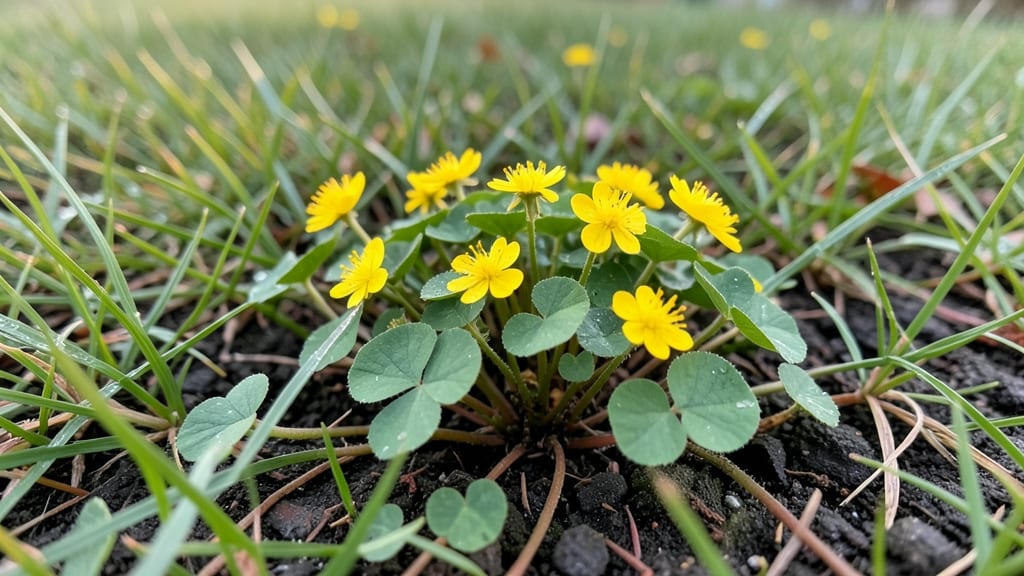
Struggling to tell clover look-alikes from actual clover in your lawn? These 10 weeds mimic clover’s appearance but can choke your grass and spread rapidly. Learn their key differences and the fastest removal methods to reclaim your yard.
White Clover vs. White Dutch Clover
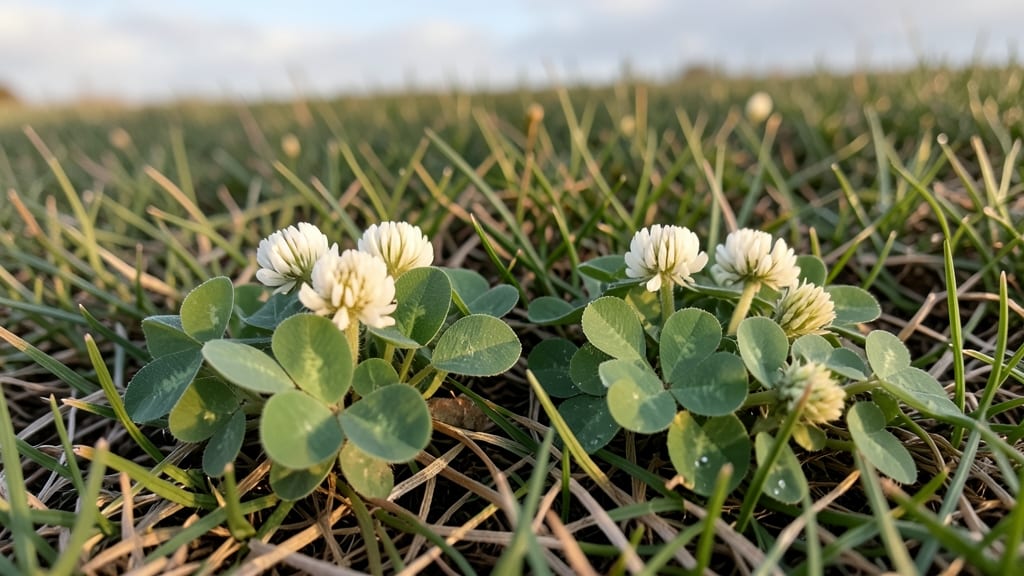
If your lawn has clover-like patches but you're unsure whether they're harmless white clover or the invasive white Dutch clover, this quick visual guide will help you tell them apart before they take over.
True white clover grows in loose clusters with rounded leaflets and white flowers, while white Dutch clover forms dense, matted carpets that smother grass. The key difference? Dutch clover's leaflets are smaller, and its growth pattern is far more aggressive. Pulling by hand works for small patches, but for large infestations, spot-treat with a selective herbicide like 2,4-D in early spring or fall.
Lawn care enthusiasts with eco-friendly lawns will appreciate that true white clover actually benefits soil health by fixing nitrogen. But if you're dealing with Dutch clover's thick mats, act fast—this weed can turn your lawn into a clover monoculture within a season. 🌱
Yellow Clover vs. Yellow Wood Sorrel
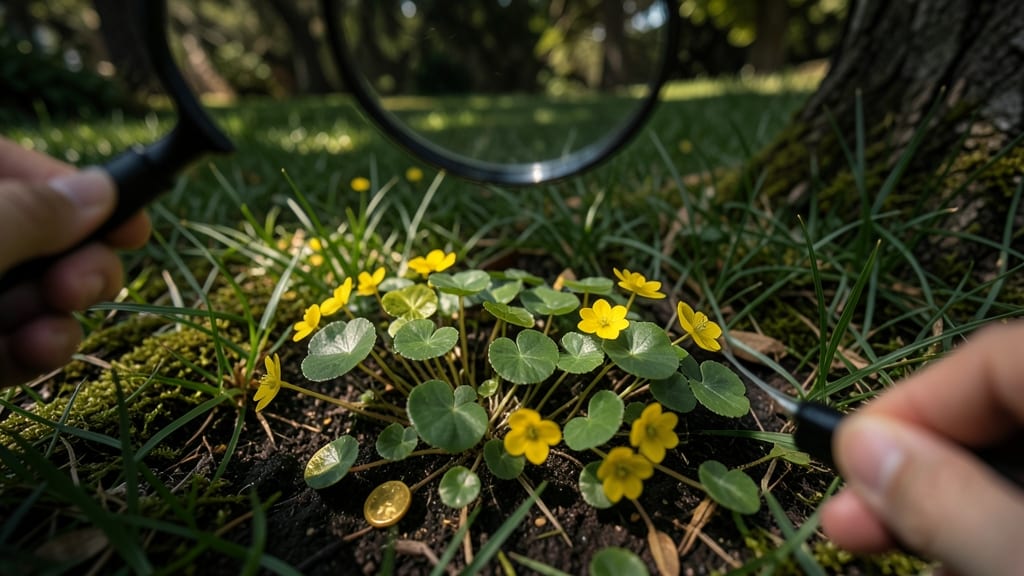
If your shaded lawn is dotted with tiny yellow flowers and you're not sure whether it's clover or something more troublesome, you might be dealing with yellow wood sorrel—a weed that can spread quickly and even release toxins when disturbed.
Here’s how to tell them apart: yellow clover has rounded leaflets arranged in three groups, while yellow wood sorrel features heart-shaped leaves and a slightly sour taste when crushed. The sorrel also grows in dense patches, often near tree roots or under shrubs where sunlight is limited. Pulling it by hand is best—just be sure to remove the entire root to prevent regrowth.
This weed is especially tricky for gardeners with shaded lawns, as it thrives where grass struggles. Keep an eye out for those telltale heart-shaped leaves to stop it before it takes over! 🌱
Black Medic vs. Red Clover
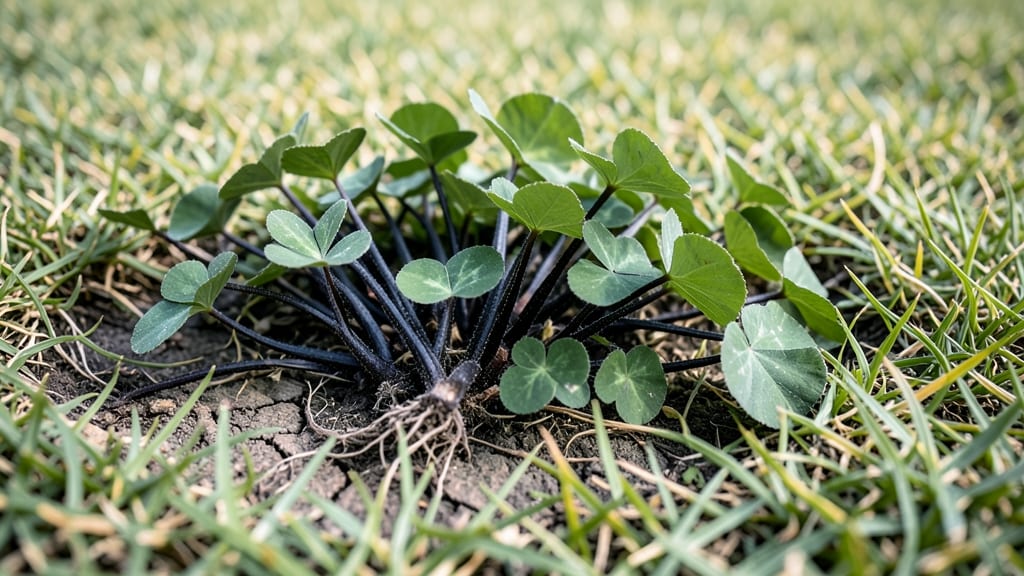
If your lawn has dark, almost black stems mixed with clover-like leaflets, you’re likely dealing with black medic—a weed that thrives in compacted soil and outcompetes grass. Unlike its pretty cousin, red clover, black medic lacks those signature pink flowers and instead spreads aggressively, smothering your lawn.
Black medic’s three leaflets resemble clover, but its dark stems and preference for compacted, disturbed soil set it apart. Red clover, on the other hand, has lighter stems, pink flower clusters, and grows in healthier, less compacted lawns. To remove black medic, focus on aerating the soil to break up compaction and pull weeds before they seed. This weed is especially stubborn in high-traffic areas like pathways or play zones.
Homeowners with dense, worn-out lawns or those recovering from construction often battle black medic. If you’ve noticed your grass thinning in compacted patches, this is likely your culprit—and addressing soil health is key to reclaiming your yard. 💪
Hop Clover vs. True Clover
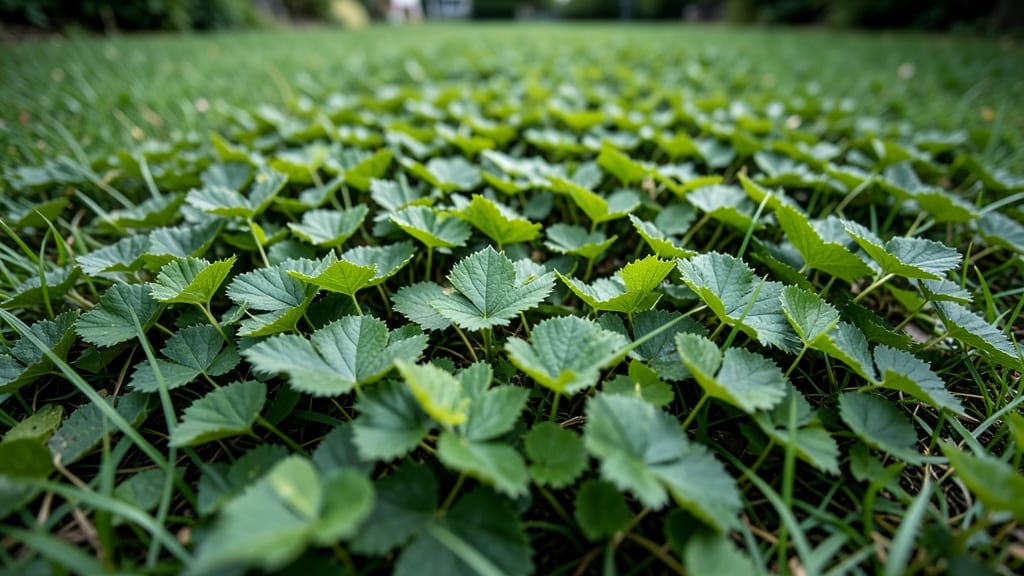
If your lawn has clover-like patches that refuse to stay pulled, you might be dealing with hop clover—a persistent weed that mimics true clover but with a stubborn twist. Unlike smooth-edged clover, hop clover features jagged leaf edges and forms dense, low-growing mats that smother grass and return after mowing.
This weed thrives in full sun to partial shade and spreads aggressively through underground runners, making it harder to eradicate than true clover. To identify it, check for its rough, serrated leaf margins and thick, tangled growth. For removal, dig deeply to avoid leaving root fragments, or apply a selective herbicide labeled for broadleaf weeds in lawns.
Homeowners with dense lawns or those who prefer organic methods will find this weed particularly challenging, but persistence pays off. 🌱
Kidney Clover vs. White Clover
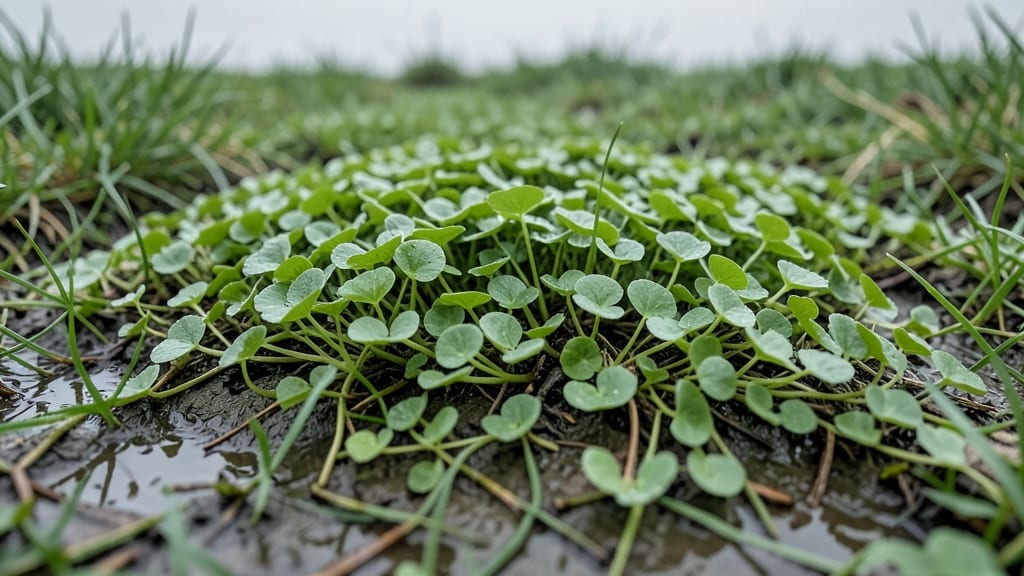
If your lawn feels spongy after rain or stays damp for days, you might be dealing with kidney clover—a sneaky weed that thrives in poorly drained soil. Unlike its rounded-leafed cousin, white clover, this troublemaker has distinct kidney-shaped leaflets and spreads in low, dense mats that smother grass roots.
To spot it, look for its three leaflets with a slightly glossy texture and a preference for shady, wet areas. Unlike white clover, kidney clover rarely produces flowers, making it harder to identify. For removal, hand-pull when the soil is moist (it resists when dry), or apply a selective herbicide labeled for broadleaf weeds in damp conditions.
Homeowners with low-lying lawns or frequent rain should prioritize improving drainage first—this weed won’t survive in well-aerated soil. 🌱
Birdsfoot Trefoil vs. Clover
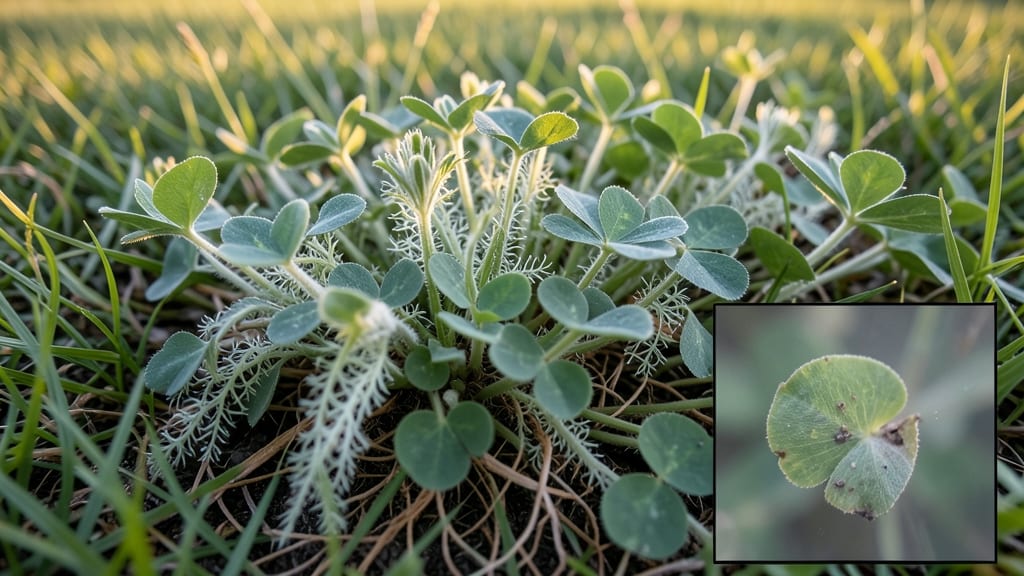
If your lawn has clover-like weeds with an odd, skunky smell when crushed, you’re likely dealing with birdsfoot trefoil—a sneaky invader that mimics clover but behaves like a troublemaker. Unlike harmless clover, this weed spreads aggressively and forms dense mats that smother grass.
The giveaway? Its elongated leaflets that resemble a bird’s foot (hence the name) and its resistance to most herbicides. Hand-pulling is your best bet, but wear gloves—its crushed foliage releases a foul odor. This weed thrives in dry, sunny areas and often appears after drought-stressed grass has been damaged.
Homeowners with dry lawns or those struggling with persistent weeds should watch for this one. Early removal prevents it from taking over your yard completely. 🌱
Creeping Thistle vs. Clover
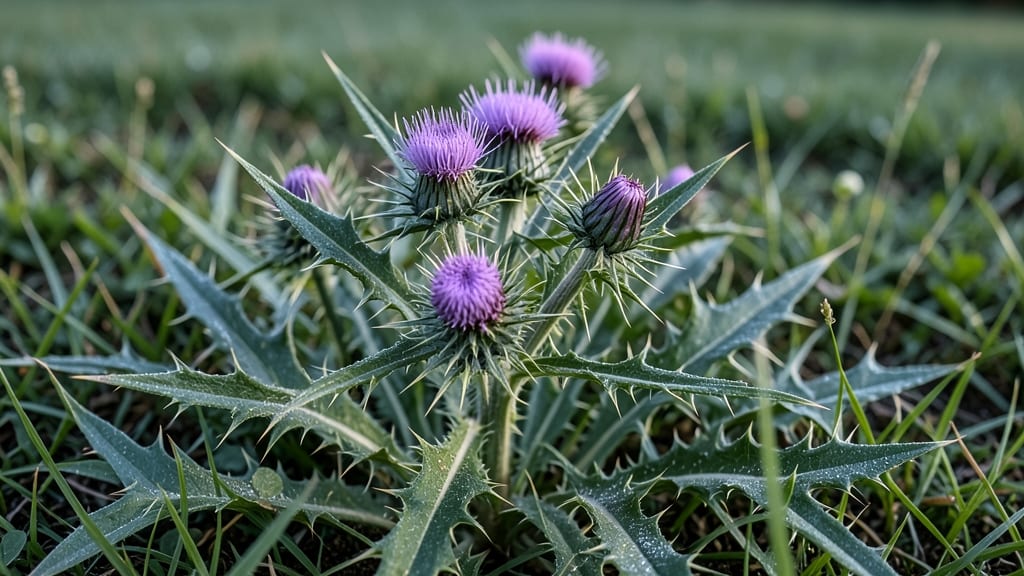
If your lawn has spiky, jagged leaves that look like clover but leave you with pricked fingers, you’re likely dealing with creeping thistle—a weed that’s far more aggressive than its soft-leafed lookalike. Unlike clover’s rounded trifoliate leaves, creeping thistle’s purple, thistle-like flowers and sharp, lance-shaped foliage give it away, but its real danger lies beneath the surface.
This weed spreads through underground runners, making it nearly impossible to eradicate by pulling alone. Its roots can tangle with lawnmower blades, dulling them and even damaging equipment over time. For removal, use a digging fork to sever the roots at least 6 inches deep, and apply a selective herbicide like 2,4-D in early spring before flowering. Avoid tilling, as it can spread fragments further.
Homeowners with pets or kids should act fast—creeping thistle’s spines can irritate skin, and its deep roots compete with grass for nutrients. For long-term prevention, overseed bare patches in fall and maintain proper mowing height (3–4 inches) to discourage its spread. 🌱
Hairy Galium vs. Clover
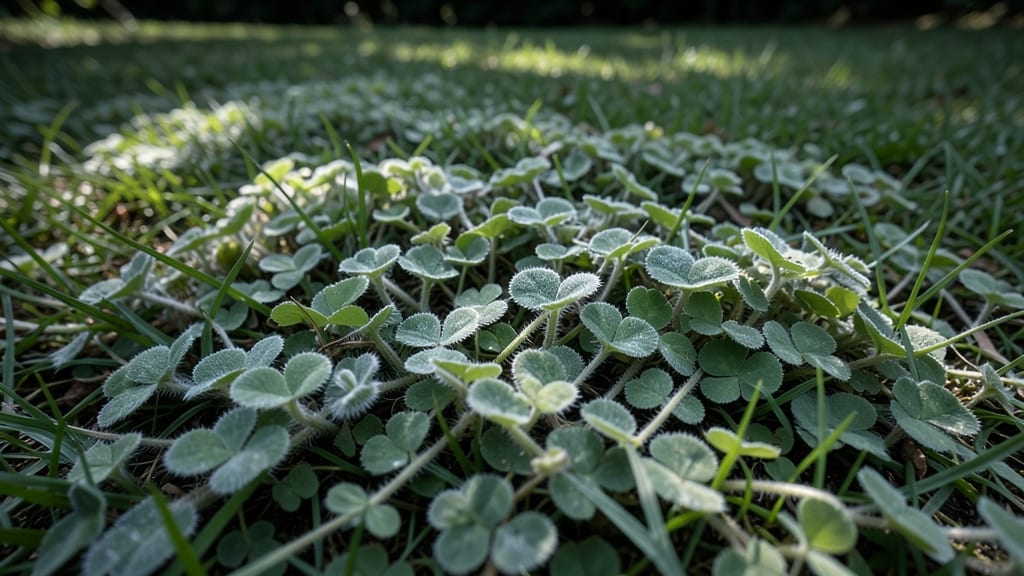
If your shaded lawn looks like a sea of tiny, fuzzy plants instead of clover, you’re likely dealing with hairy galium—a sneaky weed that mimics clover’s trifoliate shape but with a key difference: its hairy, almost velvety leaves and dense, sprawling clusters.
Unlike clover’s smooth, rounded leaflets, hairy galium’s leaves are covered in fine hairs, giving them a soft, almost furry texture. It thrives in low-light conditions and spreads aggressively, forming thick mats that smother grass. The best way to remove it? Pull it early in the morning when the soil is moist, or use a spot herbicide like vinegar-based solutions for stubborn patches.
This weed is especially tricky for gardeners with shady lawns or wooded areas, where it outcompetes grass and other plants. If you’ve ever pulled what you thought was clover only to see it regrow, hairy galium might be the culprit. 💚
Carpetweed vs. Clover

If your lawn looks like a patchwork of tiny green leaves but isn’t the clover you planted, carpetweed might be the culprit. Unlike clover’s distinctive trifoliate leaflets, carpetweed sprawls low to the ground with tiny, rounded leaves that form dense mats—perfect for smothering grass in high-traffic areas.
This aggressive weed thrives in compacted soil and thrives underfoot, making it a common problem in play areas or pathways. To remove it, pull when the soil is moist (early morning works best) or apply a post-emergent herbicide labeled for broadleaf weeds. For prevention, overseed bare spots and improve drainage to discourage its spread.
Homeowners with kids or pets will appreciate how quickly carpetweed can turn a lawn into a slippery mess. Staying vigilant during spring and fall—its peak growing seasons—keeps it from taking over. 🌿
Oxalis vs. Clover

If your lawn has tiny, heart-shaped leaves and bright yellow flowers popping up among the grass, you’re likely dealing with oxalis—not clover. This sneaky weed thrives in acidic soil and can explode into patches if even a small fragment remains after pulling.
Unlike clover’s rounded leaflets, oxalis leaves fold up at night and produce delicate, four-petaled yellow blooms. The real challenge? Its underground tubers regrow from tiny pieces, making hand-pulling less effective. For best results, dig out the entire root system or apply a targeted herbicide in late summer when the plant is actively growing.
Gardeners in shaded, acidic lawns (like pine needle mulch areas) should watch for oxalis—it’s especially aggressive in spring and fall. A quick soil test can confirm acidity, helping you adjust pH to discourage its return. 🌻