
Lawn
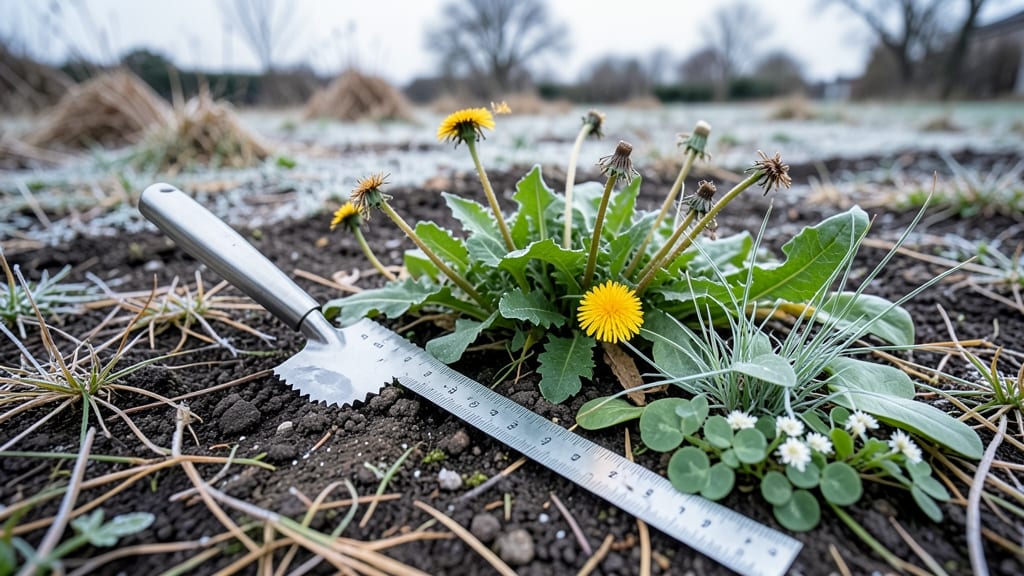
Winter weeds in your lawn are about to become a thing of the past. 🌱 The cold months actually make it easier to tackle them naturally—no harsh chemicals needed—if you know the right tricks.
I’ve spent years battling winter weeds, and the secret lies in timing, simple tools, and a few targeted techniques that work when the ground is dormant but weeds are still active.
The reason weeds persist in winter is simple: they’ve already established deep root systems by fall, and some types like chickweed and henbit thrive in cooler weather.
But here’s the good news—when the soil is cooler, you can outsmart them with overseeding, mulching, or even a quick vinegar spray (yes, it works). The key is acting before the first hard freeze locks everything down.
By spring, you’ll see a lawn so dense with grass that weeds can’t get a foothold. The process takes about 30 minutes a week during winter maintenance, and the results—fewer weeds, richer soil, and a greener lawn—are worth every effort.
No more pulling stubborn clumps or dealing with chemical residue that harms pets and kids.
This works for any lawn type, whether you’ve got a small suburban yard or a larger rural patch. The tools you need? Just a rake, some grass seed, and maybe a spray bottle. Let’s get started—your winter lawn will thank you next summer.
The Hidden Triggers Behind Winter Weeds
Winter might seem like a quiet season for your lawn, but beneath the frost, weeds are actually thriving—thanks to a mix of natural and human-made factors. Understanding why these pesky invaders take over in colder months is the first step to stopping them before spring.
Here’s what’s really going on under your grass:
When temperatures drop, cool-season grasses like fescue and ryegrass slow their growth, entering a semi-dormant state. Warm-season grasses (like Bermuda or Zoysia) go fully dormant, leaving large gaps in your lawn’s coverage. Weeds like henbit, dandelions, and chickweed seize the opportunity to sprout and spread unchecked.
These weeds germinate in cooler soil temperatures (as low as 35–40°F), while your grass struggles to compete.
Why it matters: A thin or patchy lawn acts like an open invitation for weeds. Their shallow root systems and rapid growth give them a competitive edge until your grass recovers in spring.
Frost isn’t just a cosmetic issue—it physically disrupts your lawn’s ecosystem. When water freezes in soil pores, it creates tiny cracks that:
- Disrupt root zones: Grass roots can’t absorb water or nutrients efficiently, weakening them.
- Expose bare soil: Frost heaving (when soil expands and contracts) pushes grass clumps upward, leaving gaps where weeds germinate.
- Alter soil temperature: Dark, bare patches absorb heat faster than grass-covered areas, creating warm micro-climates that encourage weed seeds to sprout earlier in winter.
Weeds like creeping charlie (a persistent groundcover) and plantain thrive in these conditions because their seeds lie dormant in the soil until the right temperature and moisture trigger their growth.
Pro tip: 🌡️ Use a soil thermometer to monitor temperature fluctuations. If your lawn has bare spots, mulch lightly with compost or straw to insulate the soil and deter weed seeds.
Winter watering habits can backfire spectacularly. While some moisture is necessary to prevent soil from drying out completely, overwatering creates the perfect conditions for weeds:
- Excess moisture: Weeds like moss and annual bluegrass love soggy soil. Poor drainage or heavy winter watering keeps the top layer of soil perpetually damp, signaling weed seeds to germinate.
- Thatch buildup: Overwatering in winter can accelerate thatch accumulation (a layer of dead grass and debris), which blocks water and nutrients from reaching grass roots—giving weeds a head start.
- Compaction: Heavy foot traffic on wet lawns (e.g., from shoveling snow) compacts soil, reducing oxygen levels and stressing grass further.
Conversely, underwatering can also stress grass, leaving it vulnerable to weed invasion. The key is consistency—keeping soil moist but not waterlogged.
Actionable fix: ✨ Test your soil’s drainage by pouring 1 inch of water on a patch. If it pools after 6 hours, you’ve got drainage issues. Aerate in fall to improve soil structure.
Most winter weeds don’t grow from seeds that fell this season—they’re ancient. Weed seeds can remain viable in soil for years (some, like dandelions, up to 10+ years). When winter conditions—like fluctuating temperatures and light exposure—trigger their germination, they pop up seemingly out of nowhere.
Key triggers:
- Light exposure: Bare soil or thin grass allows more sunlight to reach the soil surface, signaling seeds to germinate.
- Temperature shifts: Rapid changes between freeze and thaw cycles mimic spring-like conditions, fooling weed seeds into thinking it’s time to grow.
- Disturbances: Aerating, overseeding, or even raking can bury seeds at the perfect depth (¼–½ inch) to sprout.
Weeds like henbit and speedwell are opportunistic annuals that germinate in late fall or early winter, taking over before your grass wakes up.
Prevention tip: 🔥 Conduct a soil seed bank test by digging a 6-inch-deep hole in a weedy area. The number of seeds you find explains why certain weeds keep returning—even after treatment.
Skipping critical winter lawn maintenance creates openings for weeds. Common oversights include:
- No fall fertilization: A slow-release, high-nitrogen fertilizer in late fall strengthens grass roots, helping them survive winter and outcompete weeds.
- Poor mowing habits: Leaving grass too short in fall weakens it, while leaving it too tall can smother it and create thatch.
- Ignoring thatch: A thatch layer thicker than ½ inch blocks water and nutrients, starving grass and inviting weeds.
- No overseeding: Filling bare spots with cool-season grass seeds in fall prevents weeds from moving in.
Weeds like clover and crabgrass (yes, even in winter!) exploit these gaps because they’re adapted to low-light, high-disturbance environments.
Winter checklist: 🎯
Task
When
Why It Helps
Apply winterizer fertilizer
Late fall (Oct–Nov)
Strengthens root growth for spring
Overseed bare patches
September–October
Competes with weed seeds for space
Aerate compacted soil
Fall (before first frost)
Improves water/air flow to grass roots
Rake up thatch
Early fall
Reduces weed habitat
Beat Back Winter Weeds Naturally
Winter may slow down your lawn’s growth, but it doesn’t stop weeds from throwing a party in your yard. 🌱❄️ The good news? You can outsmart these cold-weather invaders with targeted, chemical-free strategies.
Below, we break down the most common causes of winter weeds and the practical, step-by-step fixes to reclaim your lawn—plus tips to keep them from crashing the party next year.
Cause: New grass seed can create gaps where weeds (like chickweed or annual bluegrass) sneak in. Fix:
- 👨🍳 Prep Before Planting: Rake seeds evenly into soil, then press firmly with a lawn roller to eliminate air pockets. Weeds need space to sprout—don’t give it to them!
- 🌱 Choose Competitive Grass: Opt for cold-hardy grasses like tall fescue or perennial ryegrass. They grow faster in cool weather, crowding out weeds before they take root.
- ⏰ Time It Right: Seed in early fall (6–8 weeks before first frost) for best establishment. Avoid late-season seeding, which leaves your lawn vulnerable.
💡 Pro Tip: After seeding, cover with straw (not hay—it can introduce weed seeds!). This protects seeds from drying out and blocks light, preventing weed germination.
Cause: Bare spots or weak turf invite weeds like dandelions or clover to move in. Fix:
- 🔪 Rescue Bare Patches: Fill small gaps with grass plugs or sod (not just seed). These establish roots faster and outcompete weeds.
- 🌡️ Boost Soil Health: Test your soil (DIY kits are cheap!) and amend with compost or organic matter to improve density. Healthy soil = stronger grass.
- 🎯 Overseed Strategically: If reseeding, use a weed-blocking fabric (biodegradable) over bare soil until grass sprouts. Remove it once new growth appears.
✨ Prevention Hack: Top-dress your lawn in early spring with a thin layer of compost. This feeds roots and encourages thick growth, leaving no room for weeds.
Cause: Waterlogged or hard-packed soil stresses grass, creating weak spots where weeds thrive. Fix:
- 💦 Improve Drainage: Aerate your lawn in early fall (before winter rains set in) to relieve compaction. Rent a core aerator for best results.
- 🌱 Loosen Soil Naturally: Mix sand or perlite into compacted areas to improve airflow and water absorption. Avoid heavy tilling—it can damage roots.
- 🔄 Rethink Watering: Winter weeds (like henbit) often appear where soil stays soggy. Reduce watering to 1 inch per week unless your lawn shows drought stress.
💡 Pro Tip: After aerating, apply a thin layer of compost to help soil absorb water better. This keeps grass lush and weeds at bay.
Cause: Some weeds (like creeping charlie or nutsedge) go dormant in winter but resurface when conditions warm. Fix:
- 🔪 Pull Early: As soon as weeds poke through snow or ice, grasp them at the base and yank (or use a dandelion digger for deep roots). No chemicals needed—just elbow grease!
- 🛡️ Smother Them: Cover problem areas with cardboard or thick mulch (like wood chips) in late fall. Leave it until spring to starve weeds of light.
- 🌱 Strengthen Grass: Apply a slow-release organic fertilizer in early spring to jumpstart grass growth. Thick turf is the best weed deterrent.
🎯 Long-Term Win: Plant a living mulch (like clover or creeping thyme) in high-weed areas. These ground covers suppress weeds while adding beauty to your lawn.
Winter is the perfect time to set your lawn up for success next year. Try these low-effort, high-impact strategies:
| Task | When to Do It | Why It Works |
|---|---|---|
| Aerate & Overseed | Early fall | Fills gaps before weeds can invade. |
| Apply Corn Gluten Meal | Late fall (after seeding) | Natural pre-emergent that blocks weed seeds. |
| Mow High | All winter (if grass grows) | Keeps blades long to shade out weeds. |
| Clean Up Debris | Year-round | Removes hiding spots for weed seeds. |
✨ Bonus: Encourage beneficial insects (like ladybugs) by planting winter-friendly flowers (e.g., pansies, violas). They’ll munch on weed seedlings before they become a problem!
Remember: Patience is key. Weeds may pop up, but with consistent care, your lawn will outgrow them—naturally. 🚀 Start with one fix this winter, and watch your yard transform next season!
Frequently asked questions
Why do weeds seem worse in winter when my lawn looks dormant?
Winter weeds thrive because many grass types slow down or go dormant, leaving gaps for weeds like henbit and chickweed to sprout. These weeds germinate in cooler soil (35–40°F) while your grass struggles. The key is that weeds like these have shallow roots and grow fast—perfect for taking over when your lawn isn’t actively competing.
Can I still pull weeds when the ground is frozen?
No—wait until the soil thaws enough to pull weeds easily without damaging grass roots. Use a dandelion digger or your fingers to grasp weeds at the base. If the ground is rock-hard, even pulling weeds can create new gaps where more weeds will grow. Aim for 40°F or warmer soil temperatures for best results.
What’s the fastest natural way to kill winter weeds without chemicals?
For spot treatment, use a vinegar spray (1 gallon white vinegar + 1 cup dish soap) on sunny days—it burns weeds on contact. For larger areas, smother weeds with cardboard or thick mulch (like wood chips) in late fall, then remove in spring. Both methods work best when weeds are small and haven’t established deep roots.
Will overseeding my lawn in winter actually help with weeds?
Overseeding in early fall (6–8 weeks before frost) fills gaps before weeds can take hold. Choose cold-hardy grasses like tall fescue or perennial ryegrass—they grow faster in cool weather, crowding out weeds. Just avoid late-season seeding, which leaves your lawn vulnerable to winter weeds.
Why do some weeds keep coming back even after I treat them?
Many winter weeds (like dandelions) have seeds that can stay dormant in soil for 10+ years. When conditions are right—like fluctuating temperatures or bare soil—they’ll sprout again. The solution? Improve your lawn’s density with overseeding and aeration to block light and space for new weeds.