
Lawn
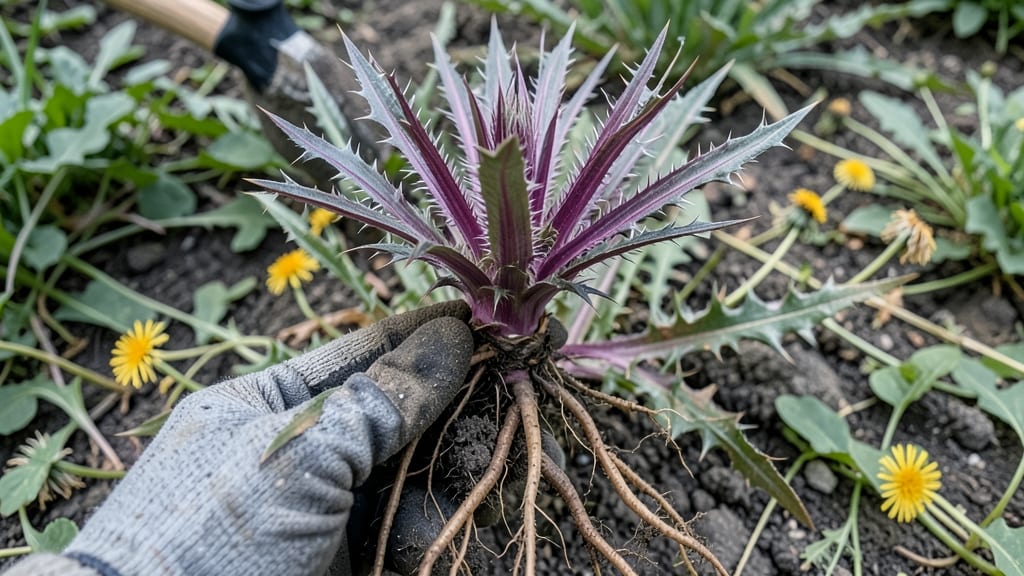
New Jersey’s humid climate and diverse soil create the perfect breeding ground for stubborn lawn weeds. These 10 common NJ weeds—plus targeted sprays and natural removal hacks—will help you reclaim your yard without toxic chemicals or endless pulling.
Crabgrass Control With Pre-Emergent Sprays
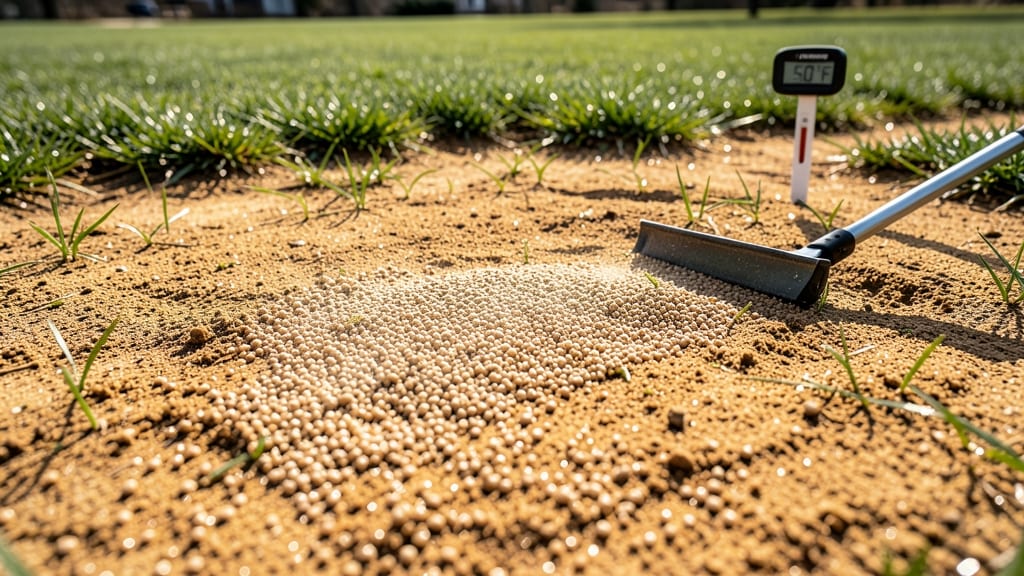
NJ’s sandy soils give crabgrass the perfect head start every spring, but pre-emergent sprays can stop it before it sprouts. The key is applying these granular treatments in early spring (March-April) when soil temps hit 50°F, creating a barrier that blocks crabgrass seeds from germinating while allowing grass to grow.
For synthetic options, products like pendimethalin (common in brands like Scotts Halts Crabgrass) provide 3-month protection but require careful application timing. Organic gardeners can use corn gluten meal (20 lbs per 1,000 sq ft), which also acts as a natural fertilizer while suppressing weeds. Reapply every 8-12 weeks for continuous coverage, especially in high-traffic areas where seeds spread easily.
This method works best for new lawns or established grass with minimal crabgrass history. Homeowners with shady lawns or sandy soil should combine pre-emergents with thick grass seeding for the best results. 💡
Dandelion Eradication Using Vinegar Spray
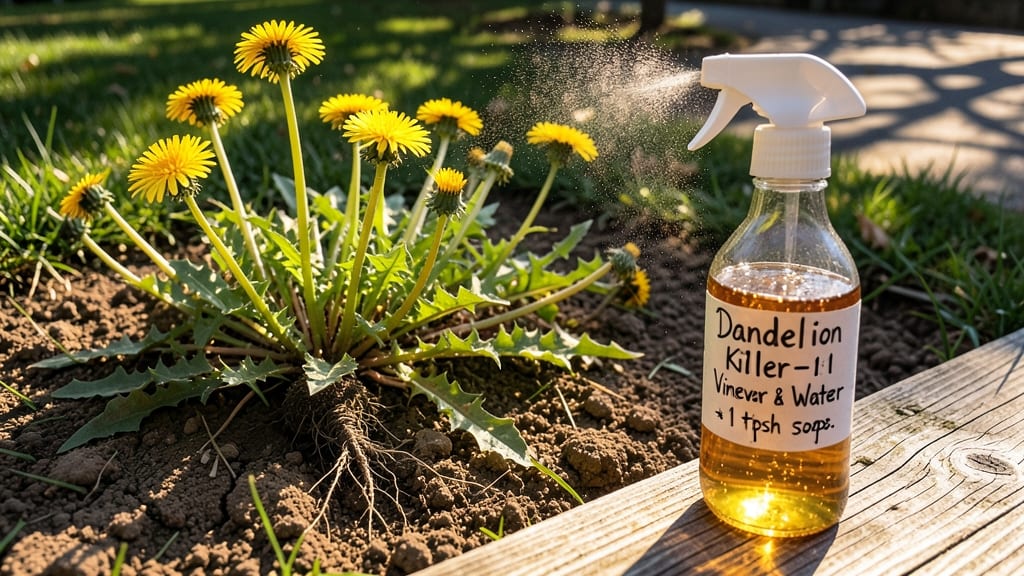
Tired of pulling dandelions that keep popping up like stubborn weeds in your NJ lawn? A homemade vinegar spray is your secret weapon for deep-rooted eradication without harsh chemicals. This method works best in compacted soils where dandelions thrive, using a simple, effective formula that kills weeds at the root.
Mix 1 gallon of white vinegar (5% acidity), 1 cup of dish soap, and 1 cup of salt in a spray bottle. Apply on a dry, sunny day—the combination breaks down the weed’s cell structure while the salt prevents regrowth. Spray directly on leaves (avoid grass) and watch the dandelions wilt within 24 hours. For best results, treat in early spring or fall when weeds are actively growing.
This method is perfect for eco-conscious gardeners and those with pets or kids—no toxic runoff or lingering chemicals. Just be patient; deep roots may require 2-3 applications spaced 1-2 weeks apart for full eradication. 🌱
Clover Removal With Corn Gluten Meal
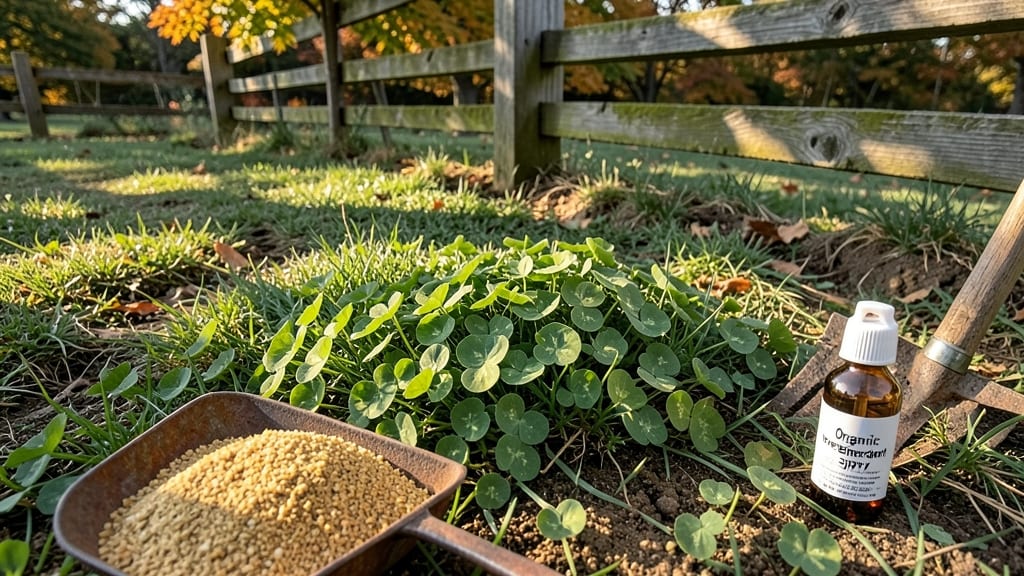
Tired of patchy lawns where clover outcompetes your grass? Corn gluten meal isn’t just an organic pre-emergent—it’s a two-in-one solution that smothers clover seeds and feeds your turf. This byproduct of corn processing disrupts weed germination while slowly releasing nitrogen, making it perfect for NJ’s nitrogen-deficient soils where clover thrives.
Apply 20 pounds per 1,000 sq. ft. in early spring (March-April) or fall (September-October) when soil temps are below 55°F. Water it in lightly to activate the pre-emergent effect, and watch clover seedlings fail to sprout. For best results, reapply annually—it’s 90% effective against clover when used consistently. This method works especially well in shady or thin lawns where chemical herbicides might stress grass.
Homeowners with organic certifications or those avoiding synthetic fertilizers will love this dual-purpose approach. It’s the only pre-emergent that actually improves soil health while keeping clover at bay. 🌱
Nutsedge Elimination Using Boiling Water
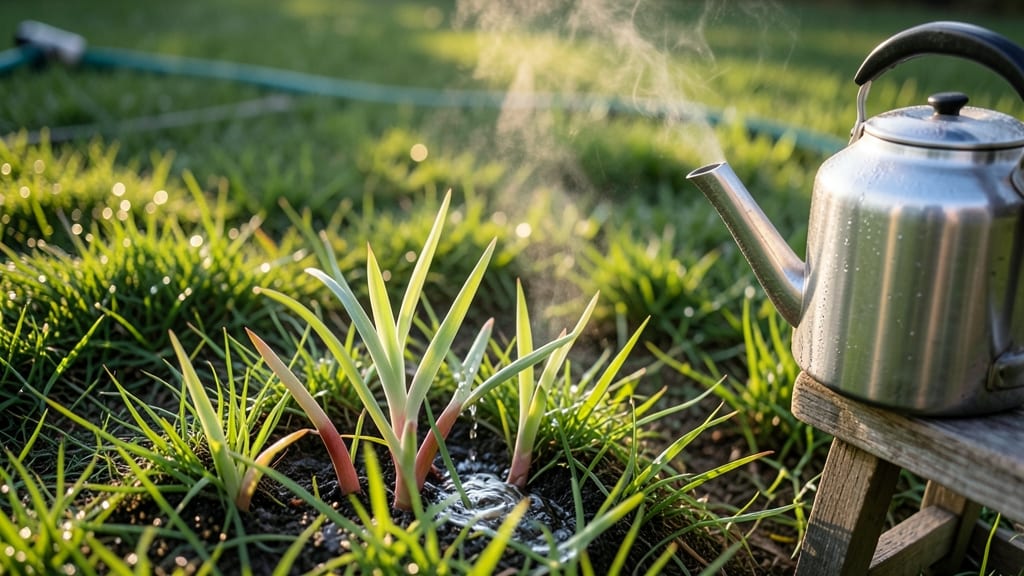
If your NJ lawn has stubborn nutsedge popping up in damp patches, boiling water is your secret weapon. This method targets the weed’s thick rhizomes without harming surrounding grass, making it perfect for low-lying or wet areas where nutsedge thrives.
Start by identifying the triangular stems of nutsedge—unlike grass, they grow in clumps. Pour 2-3 cups of boiling water directly onto the weed’s base, ensuring the roots are fully saturated. Repeat every 3-5 days until the nutsedge turns brown and dies. For best results, apply on a warm, sunny day when the soil is moist but not soggy.
This spot-treatment method is ideal for eco-conscious gardeners and those with organic lawns, as it avoids harsh chemicals. Just avoid overwatering nearby grass, and you’ll see results within 1-2 weeks. 💪
Chickweed Control With Saltwater Spray
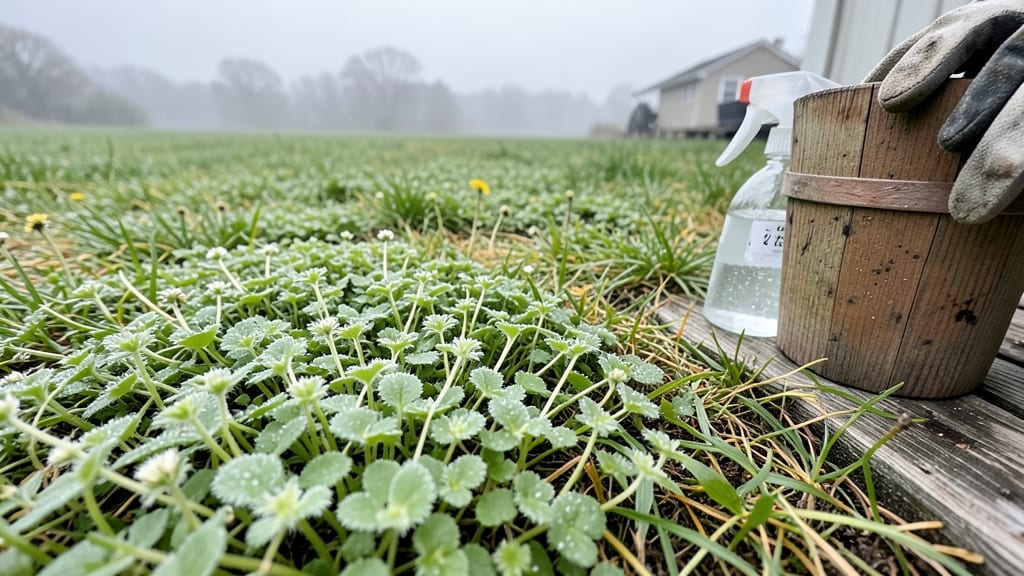
When chickweed transforms your lawn into a fuzzy green mat during NJ’s cool, damp springs, saltwater spray offers a natural, chemical-free solution that’s safer than traditional herbicides—especially if you grow edibles nearby.
Mix 1 tablespoon of non-iodized salt per gallon of water in a spray bottle and apply directly to chickweed leaves on a dry, wind-free day. The salt disrupts the plant’s cellular structure without lingering in the soil, making it ideal for edible gardens. For stubborn patches, reapply every 3-4 days until the chickweed wilts completely. Always avoid spraying desirable plants, as salt can damage them too.
This method is perfect for gardeners who want to avoid synthetic chemicals but still need fast results—just be cautious around thirsty perennials and vegetables. 💚
Henbit Suppression Using Coffee Grounds
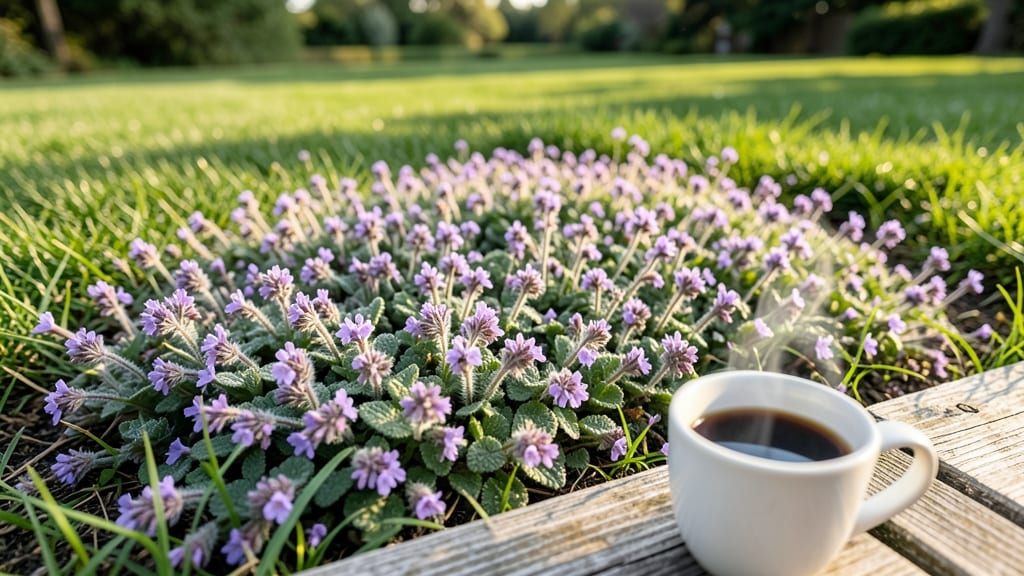
Tired of purple henbit popping up every spring in your NJ lawn? This winter-hardy weed thrives in cool weather and can quickly turn your yard into a fuzzy purple carpet if left unchecked. The good news? Your morning coffee might hold the key to suppressing it naturally.
After henbit flowers fade in late spring, spread a ½-inch layer of used coffee grounds over affected areas. The grounds create a natural mulch that blocks sunlight, preventing new seeds from germinating. For best results, apply after mowing when the lawn is dry—this helps the grounds stick to the soil surface. Reapply every 4-6 weeks until the area stays clear.
This zero-waste method works especially well for organic gardeners or those with edible landscapes, as coffee grounds won’t harm beneficial insects or plants. It’s also a great way to repurpose kitchen scraps while keeping your lawn looking tidy. 💚
Bindweed Removal With Flame Weeding Tool
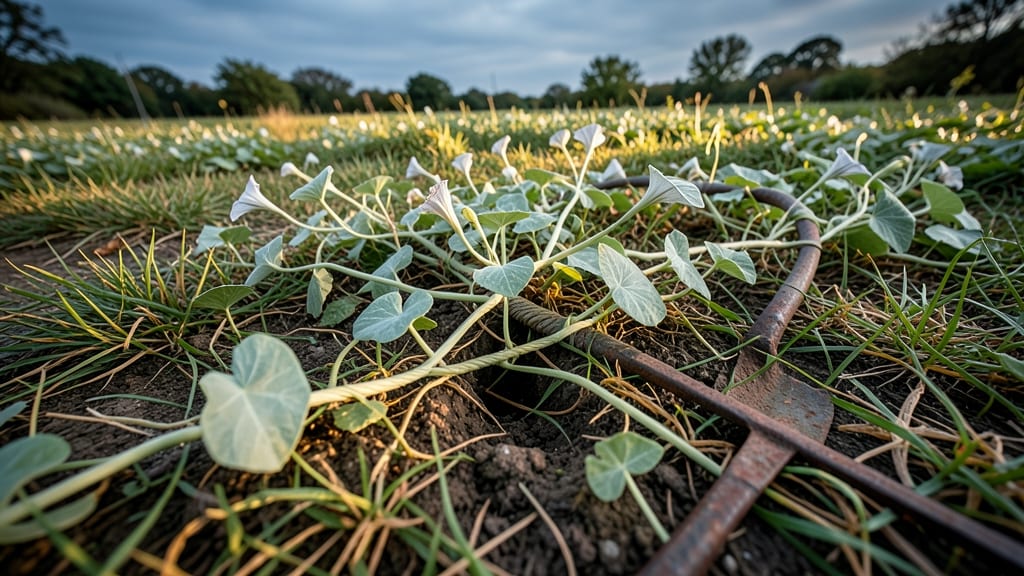
When bindweed—that relentless, deep-rooted vine—takes over your NJ lawn, traditional pulling only makes it worse. This persistent perennial thrives in our state’s climate, sending roots up to 10 feet deep, making it nearly impossible to eradicate by hand or with herbicides that harm your grass.
A flame weeding tool offers a chemical-free solution by targeting the plant’s sap with precise heat. Use it on dry, sunny days when bindweed is actively growing (spring or early fall). Pass the flame over the vines for 3-5 seconds per section, ensuring the entire plant—roots and all—is heated. Repeat treatments every 2-3 weeks until the bindweed stops regrowing. This method kills weeds without damaging soil structure or nearby plants.
Gardeners with organic lawns or those avoiding herbicides will find this tool especially valuable. It’s also ideal for large infestations where manual removal would take forever. Just be cautious—wear protective gloves and avoid flammable materials nearby. 🌿
Plantain Weed Extraction Using Soap Spray
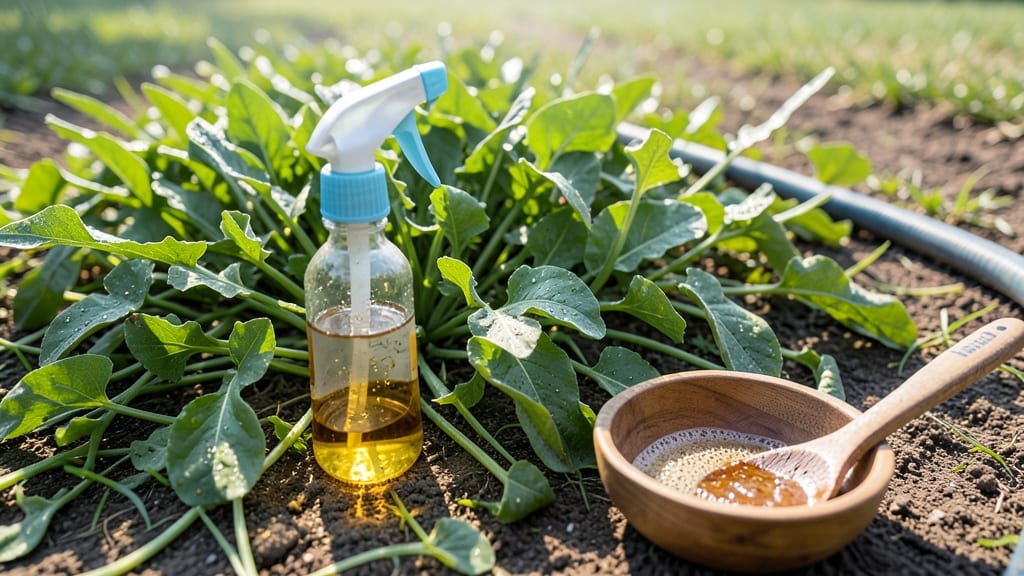
If your NJ lawn looks like a plantain weed buffet, it’s time for a game-changing solution. This resilient broadleaf thrives in compacted soils, but a DIY soap spray can desiccate it in days—no digging required.
Mix 1 tablespoon liquid castile soap with 1 quart warm water and 1 tablespoon vegetable oil in a spray bottle. The soap disrupts the plantain’s waxy leaf coating, while the oil enhances adhesion. Spray directly on leaves (avoid grass) on a dry, sunny morning for best results. Reapply every 3–4 days until the weeds crisp and brown.
This method is perfect for eco-conscious gardeners or those with kids/pets, as it’s non-toxic once dry. Just avoid spraying edible plants or windy days. 💚
Moss Elimination With Lime Application
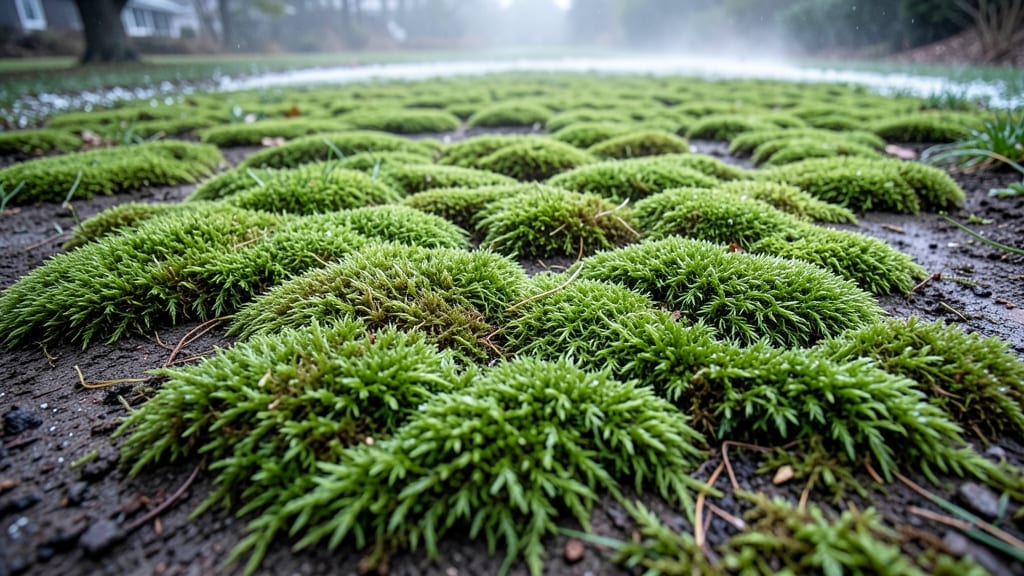
If your NJ lawn has turned into a spongy moss carpet instead of lush grass, acidic soil is likely the culprit. Moss thrives in low-pH conditions common across much of New Jersey, while grass struggles to establish roots. A simple lime application can shift your soil pH and create the ideal environment for grass to reclaim dominance.
Apply pelletized lime (not quicklime) in early spring or fall when soil is moist but not frozen. Use a spreader to apply 10-20 pounds per 1,000 square feet, following package instructions for your specific soil test results. Water thoroughly after application to help the lime integrate into the soil. This treatment not only eliminates moss but also reduces future weed pressure by creating optimal growing conditions for grass.
This method is ideal for homeowners dealing with shady, acidic lawns where moss has taken over. The results are most noticeable in cool-season grasses like fescue and bluegrass, which thrive once the soil pH is balanced. 🌱
Thistle Control Using Manual Digging Tools

If you’ve ever tried to pull a thistle by hand, you know how quickly those jagged spines can turn a simple weed-pulling session into a painful chore. Unlike shallow-rooted weeds, thistles send deep, fibrous roots into the soil—making them perfect for manual digging tools that ensure complete removal and prevent regrowth.
Use a digging fork or weed wrench to loosen the soil around the base before gripping the thistle’s taproot near the ground. Twist firmly while pulling upward to avoid breaking the root (which triggers regrowth). For stubborn clumps, a hula hoe can slice through roots before you dig. Work on dry, sunny days when the soil is easier to penetrate, and always wear thick gloves to protect your hands from the spines.
This method is ideal for gardeners dealing with thistles in field edges, meadows, or neglected lawn areas where chemicals aren’t an option. With the right tools and technique, you’ll eliminate thistles for good—no painful regrowth in sight! 💪