
Lawn
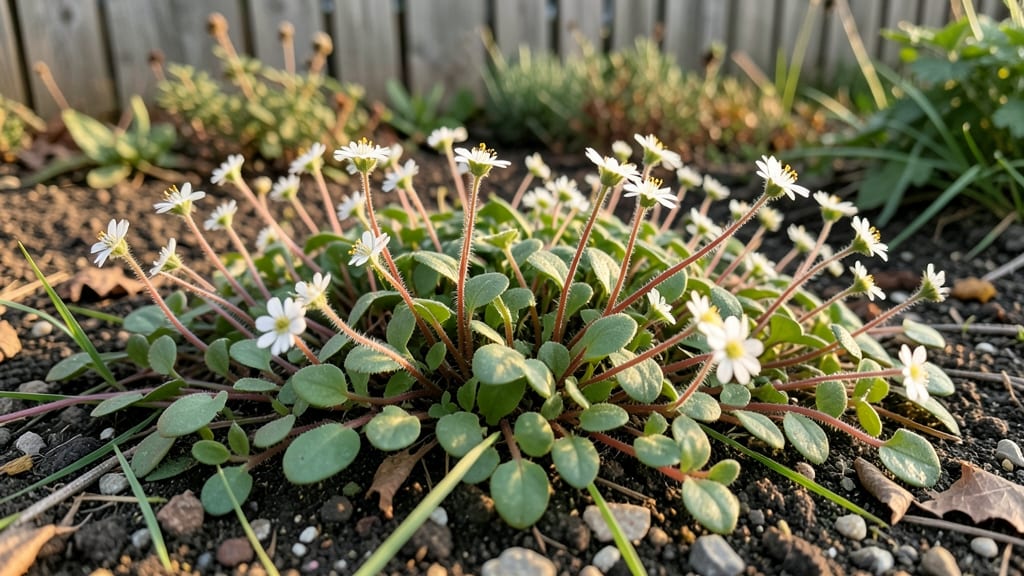
Those delicate white flowers creeping through your lawn aren’t just a wildflower—chickweed lawn weeds with white flowers are a tenacious invader that smothers grass roots and leaves behind bare spots. 🌱 I've spent too many weekends wrestling with this stuff, and I'm sharing the most effective manual removal methods that actually work without harming your turf.
The key is timing: pull chickweed when the soil is moist (after rain or watering) and before it sets seed. A simple hand-pulling technique with a garden fork works best for established patches—just twist to remove the entire root system.
For larger areas, a dandelion digger makes quick work of stubborn clumps while protecting your grass. You'll see noticeable improvement within 2-3 weeks of consistent removal, with your lawn filling in more evenly. The secret weapon?
Regular maintenance—mowing high (3-4 inches) and overseeding bare spots keeps chickweed from gaining a foothold in the first place. This method works year-round, though spring and fall are ideal. The payoff? A thicker, healthier lawn that crowds out weeds naturally. Let's get that chickweed out for good!
📚 In This Guide
- What you need
- Instructions
- Tips and common mistakes
- Wrapping up and next steps
What you need
- ● Garden gloves (2 pairs) – Waterproof, heavy-duty gloves to protect your hands from prickly stems and sap.
- ● Hand weeder or dandelion digger (1) – Stainless steel or ergonomic design for precision removal.
- ● Garden trowel or hand fork (1) – 5-inch blade for stubborn roots.
- ● Pruning shears (1) – Sharp, bypass-style for trimming thick patches.
- ● Lawn rake (1) – Metal or plastic with fine teeth to clear debris and loosen soil.
- ● Bucket or trash bag (1) – 5-gallon capacity for disposing of weeds.
- ● Kneeling pad (1) – Foam or gel-infused for comfort during long sessions.
- ● Hose with spray nozzle (1) – Adjustable for watering or rinsing tools.
- ● Vinegar spray (1 gallon) – 20-30% acetic acid for post-removal spot treatment (test on a small area first!).
- ● Corn gluten meal (5 lb bag) – Natural pre-emergent to prevent regrowth.
- ● Mulch or straw (1 bale) – Organic mulch to smother remaining weeds.
- ● Lawn roller (1) – Lightweight to firm soil after removal.
- ● Sunscreen & hat – Broad-spectrum SPF 30+ for prolonged outdoor work.
Step-by-step instructions for removing chickweed from your lawn
Here’s how I tackle those stubborn white-flowered weeds without backbreaking work or toxic chemicals.
🌱 Step 1: Identify Chickweed and Choose the Right Time
Chickweed thrives in cool weather and moist soil, so target it in early spring or fall when growth is active. Look for its delicate white flowers and oval, slightly fuzzy leaves—these plants spread quickly, so don’t wait until they blanket your lawn. I always check after rain when the soil is soft and weeds are easier to pull.
Wait until morning when the ground is damp but not muddy. Wet soil helps loosen roots, making removal cleaner. If you pull chickweed when the soil is dry, you’ll snap stems instead of uprooting the whole plant—leading to regrowth.
✂️ Step 2: Gather Tools and Prepare the Area
You’ll need a hand weeder (or a sturdy fork for stubborn patches), gloves (chickweed can irritate skin), and a bucket for disposal. I like a hula hoe for larger areas—it cuts weeds at the soil line without digging. Clear debris first so you can see every weed clearly.
Work in small sections (about 3 feet by 3 feet) to avoid missing patches. Chickweed spreads via seed and root fragments, so remove every last bit. I always pull weeds toward myself to avoid bending over repeatedly—saves my back and makes the job faster.
💧 Step 3: Pull Weeds by Hand (The Right Way)
Grip the chickweed as close to the base as possible—this ensures you get the entire root. A quick tug usually works, but for deep roots, wiggle gently while pulling upward. If the weed resists, use your weeder to pry the root free without tearing the lawn. Never yank sideways—this breaks the plant and leaves fragments behind.
Check your gloves frequently—chickweed leaves can cling to fabric, and you’ll accidentally replant them if you’re not careful. Toss weeds into the bucket immediately; never compost them unless you’ve confirmed the pile reaches 140°F for weeks (chickweed seeds survive most compost heaps).
☀️ Step 4: Prevent Regrowth With Smart Lawn Care
After removal, water deeply to help grass recover and outcompete weeds. I aim for 1 inch of water per week, split into two sessions (morning and evening). Thick grass crowds out chickweed naturally. If bare spots appear, reseeds or sod within 48 hours—chickweed will move in if soil is exposed.
Mow your lawn regularly at 3–4 inches tall to shade the soil and discourage chickweed. Tall grass blocks sunlight, which chickweed needs to germinate. I also spread 2–3 pounds of nitrogen-rich fertilizer in early spring to boost grass density—healthier turf means fewer weed opportunities.
⏰ Step 5: Monitor and Repeat as Needed
Check your lawn weekly for new chickweed sprouts, especially after rain. Early detection means less work later. I mark problem areas with flags or chalk to track progress—some spots need multiple sessions. Chickweed is persistent, but consistency wins in the end.
If chickweed keeps returning, improve drainage—it loves soggy soil. Test your lawn’s moisture level by pressing your finger 1 inch deep; if it feels damp for more than a day, consider amending the soil with sand or compost to help water drain faster. A dry lawn is a chickweed-free lawn.
Tips & tricks for pain-free chickweed removal
These simple strategies will help you tackle chickweed efficiently without turning your lawn care into a chore.
Timing is Everything: I can't stress enough how critical the morning after rain is for removal. The soil's moisture creates the perfect conditions to pull weeds cleanly—damp but not muddy. If you're working in dry conditions, water the area lightly first, but avoid making it soggy, which can compact the soil and make pulling harder. Chickweed roots are delicate when moist, so this step alone makes all the difference in preventing regrowth.
Tool Technique: For stubborn patches, I've found that using a fork works better than a hand weeder. Insert the fork about an inch from the weed and gently pry upward—this lifts the entire root without damaging surrounding grass. If you're working with a hula hoe, make shallow passes just below the soil line to sever roots without disturbing the lawn too much. The key is to avoid tearing the lawn while still removing all weed fragments.
Prevention Strategy: After you've removed all visible chickweed, spread a thin layer of mulch over bare spots to prevent new seeds from taking hold. I use shredded bark mulch because it breaks down slowly and adds organic matter to the soil. For areas where chickweed keeps returning, consider applying a pre-emergent herbicide in early spring—just follow the instructions carefully and water it in well to activate it properly.
Monitoring System: I've started using small colored flags to mark areas where chickweed was particularly dense. This visual reminder helps me stay consistent with my weekly checks. If you notice new sprouts, pull them immediately—chickweed can double in size quickly when conditions are right. The 48-hour window mentioned for reseeding bare spots is crucial; chickweed seeds can germinate that fast if given the chance.
Pro Tips for Chickweed Lawn Weeds With White Flowers
- These simple strategies will help you tackle chickweed efficiently without turning your lawn care into a chore.
- Timing is Everything: I can't stress enough how critical the morning after rain is for removal.
- Tool Technique: For stubborn patches, I've found that using a fork works better than a hand weeder.
Frequently asked questions
about chickweed lawn weeds with white flowers—because even the most patient gardeners need quick answers!What’s the best time of year to remove chickweed from my lawn?
Target chickweed in early spring or fall when it’s actively growing but before it spreads seeds. Late spring is ideal—pull it when soil is moist (after rain or watering) for easier removal. Avoid summer heat, as the plant may go dormant, making it harder to eradicate.
Is manual removal enough, or do I need herbicide?
Manual removal (hand-pulling or digging) works well for small patches. For large infestations, use a vinegar-based herbicide (20-30% acetic acid) or a corn gluten meal pre-emergent in early spring. Avoid chemical herbicides with glyphosate—they can harm nearby plants and soil health.
How do I prevent chickweed from coming back?
Prevention starts with a healthy lawn! Mow high (3–4 inches), water deeply but infrequently, and overseed bare spots. Chickweed thrives in thin grass—keep your turf dense. Mulch garden beds with straw or wood chips to block sunlight, its growth trigger.
Why does chickweed keep growing back after I pull it?
Chickweed has deep roots and spreads via seed and stem fragments. Pull it at the base (use gloves!) and check for root pieces. If regrowth happens, it’s likely from missed seeds—rake the area to remove debris and reseed with grass or clover to outcompete it.
Are there edible or medicinal uses for chickweed?
Yes! Chickweed is edible (young leaves are mild and peppery) and used in salads or teas. It’s also a skin-soothing herb—crush leaves for rashes or bug bites. But: Only harvest from pesticide-free areas and avoid if you’re allergic to plants in the carnation family.
Wrapping up and next steps
Say goodbye to those pesky chickweed lawn weeds with white flowers—you’ve got the know-how! With the right tools, timing, and techniques, manual removal can be a breeze, saving you money and keeping your lawn lush. Remember: consistency is key, so schedule regular check-ins to catch new sprouts early.
Ready to reclaim your yard? Grab your gloves and start small—tackle one section at a time for satisfying progress. Your green thumb is closer than you think! 🌱✨