
Lawn
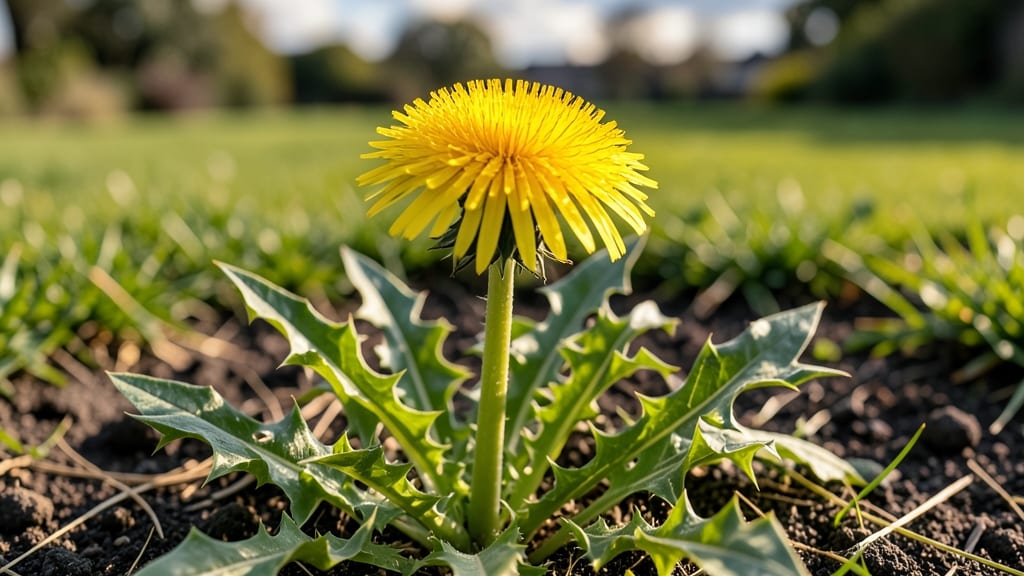
Those bright yellow lawn weeds with flowers popping up in your grass aren’t just pretty—they’re dandelions, clover, or chickweed, and they’re stealing nutrients from your lawn. 🌱 I’ve spent years battling these stubborn invaders, and I’ve narrowed the fight down to three simple steps that actually work.
The good news? These weeds thrive because they’re tough, not because they’re impossible to beat. A little targeted effort—pulling at the right time, using the right tools, and knowing when to call in reinforcements—makes all the difference.
Most people give up too soon; the real victory comes after the second or third treatment. By the end of this, your lawn will look thicker, greener, and free of those pesky yellow invaders.
You’ll spot them before they spread, yank them out before they set seed, and keep your grass healthy enough to outcompete them naturally. Works for any lawn type, from small suburban patches to big backyard spaces. Let’s get started!
Root Causes Of Yellow-Flowered Lawn Invaders
Those cheerful yellow blooms popping up in your lawn aren’t just a cosmetic nuisance—they’re a sign your turf is sending out an _SOS_. Understanding the why behind their appearance is key to stopping them before they take over.
Let’s dig into the science and practical triggers that turn your lawn into a weed buffet.
Weeds with yellow flowers thrive where your grass struggles—think of them as opportunistic tenants crashing a party where the host (your lawn) isn’t properly prepared. Here’s how soil sets the stage:
- Compacted or Low-Nutrient Soil: Dense soil restricts root growth, leaving gaps where weeds like dandelions or clover (both common yellow-flowered culprits) can drop seeds and sprout. Compacted soil also blocks water and oxygen, weakening grass roots.
- Imbalanced pH Levels: Most lawn grasses prefer a pH of 6.0–7.0. If your soil is too acidic (<5.5) or alkaline (>7.5), grass weakens while weeds—especially chickweed or henbit—flourish. A simple soil test reveals the problem.
- Lack of Organic Matter: Soil rich in organic material (like compost) retains moisture and nutrients, giving grass a competitive edge. Bare or sandy soil? Weeds move in faster than a squirrel in a bird feeder.
Actionable Fix: Aerate compacted areas in fall, amend soil with compost or peat moss, and test pH annually. Aim for thick grass—it’s nature’s best weed barrier!
Water is the ultimate lawn drama—too much or too little, and weeds like yellow nutsedge or creeping buttercup waltz in uninvited. Here’s the breakdown:
- Overwatering: Soggy soil suffocates grass roots but gives weeds a hydration high. Yellow-flowered dandelions, for example, thrive in moist conditions, while your grass may develop fungal diseases like brown patch.
- Underwatering: Drought-stressed grass leaves bare spots where weeds like mallow or groundsel (both yellow-blooming) take root. These weeds often have deep taproots, letting them survive where grass wilts.
- Irregular Watering: Skipping watering days creates uneven moisture zones—some areas stay damp while others dry out. Weeds exploit these inconsistencies like a buffet.
Actionable Fix:
- 💡 Water deeply but infrequently: 1–1.5 inches per week (including rain), early in the morning to reduce evaporation.
- 🌡️ Check soil moisture: Stick a screwdriver into the ground—if it goes in easily, water is needed.
- ✨ Use a rain gauge or smart sprinkler timer to avoid over/under-watering.
Weeds don’t just invade thin lawns—they celebrate in them. Here’s why bare spots are a weed’s dream:
- Exposed Soil = Seed Landing Strip: Weeds like prostrate spurge (with its star-shaped yellow flowers) rely on sunlight to germinate. Once seeds land in bare soil, they sprout within days.
- Grass Can’t Compete: Dense grass shades out weeds by blocking sunlight (a process called allelopathy). But thin grass? Weeds get a full-spectrum tan while your turf gets sunburned.
- Mowing & Traffic Damage: Heavy foot traffic, pet paths, or scalping your lawn with a mower creates thin patches. Weeds like black medic (with its yellow trefoil flowers) love these disturbed zones.
Actionable Fix:
- 🔥 Overseed bare spots in fall with a high-quality grass seed blend matched to your climate.
- 👨🍳 Fertilize regularly (spring and fall) to encourage thick, competitive growth.
- 🌱 Aerate and top-dress with compost to fill in thin areas naturally.
Herbicides are like nuclear options—use them wrong, and you’ll clear your grass and create a weed paradise. Here’s how:
- Broadcast Spraying: Blanketing your entire lawn with herbicide can kill grass while leaving weed seeds dormant but viable. When the grass recovers slowly, weeds like yellow wood sorrel pounce.
- Wrong Timing: Applying pre-emergent herbicides (like crabgrass preventers) too late or post-emergent sprays when weeds are already flowering can leave gaps for new invaders.
- Resistant Weeds: Some yellow-flowered weeds (e.g., horseweed) develop resistance to common herbicides like 2,4-D. This forces them to evolve faster than your treatment plan.
Actionable Fix:
- 🎯 Spot-treat weeds with targeted herbicides (like vinegar-based sprays for small patches).
- ⏰ Follow label instructions for application timing and rates—don’t guess!
- 🔄 Rotate herbicide types to prevent resistance (consult a local extension service for recommendations).
Weeds with yellow flowers aren’t just hitchhikers—they’re symptoms of deeper lawn health issues. Fix the root causes (literally), and you’ll send these uninvited guests packing for good. 🚫🌼
Eradicate Yellow-Blooming Weeds Naturally
Now that you’ve identified the culprits behind your lawn’s yellow floral invaders—whether they’re dandelions, clover, or chickweed—it’s time to tackle them effectively. The good news? You don’t need harsh chemicals to reclaim your lawn.
Below are targeted, eco-friendly solutions tailored to the root causes of your weed problem, along with prevention tips to keep them from staging a comeback.
If your lawn is already dotted with stubborn yellow bloomers, start with these hands-on methods.
🍳 Pull by Hand (Best for Small Patches)
- When to use: Early morning or after rain (soils are softer).
- How to do it:
- Grasp the weed at the base (not just the stems) and pull firmly upward.
- For deep-rooted weeds (like dandelions), use a weed puller tool or a hula hoe for leverage.
- Pro tip: 💡 Wrap a rubber glove around your hand for a better grip—it’s like giving your fingers extra traction!
- Why it works: Removes the entire root, preventing regrowth.
👨🍳 Vinegar Spot Treatment (Organic & Fast)
- When to use: For dense patches where hand-pulling isn’t practical.
- How to do it:
- Mix 1 gallon of white vinegar (5% acetic acid) + 1 cup dish soap + 1 cup salt in a spray bottle.
- Spray directly on weeds (avoid desirable grass—vinegar kills everything it touches).
- Reapply every 2–3 days until weeds die (usually 5–7 days).
- Pro tip: 🌡️ Do this on a sunny day—heat enhances the vinegar’s effectiveness.
🔪 Solarize the Soil (For Stubborn Infestations)
- When to use: Late spring or early summer (when temps are consistently 85°F+).
- How to do it:
- Clear the area of debris and water the soil thoroughly.
- Cover the patch with clear plastic sheeting (secure edges with soil or bricks).
- Leave for 4–6 weeks—the sun will bake weeds and their seeds into oblivion.
- Pro tip: ✨ Add a black tarp under the plastic to absorb extra heat for faster results.
Weeds thrive where grass is weak. Strengthen your lawn’s defenses with these steps.
🌱 Overseed Bare Spots (Best Time: Fall)
- When to use: Late summer to early fall (cool-season grasses) or early spring (warm-season grasses).
- How to do it:
- Aerate the lawn first (rent a core aerator or use a garden fork).
- Spread high-quality grass seed (match it to your existing grass type).
- Lightly rake in seeds and water gently 2x daily until germination (about 2 weeks).
- Pro tip: 🎯 Use a starter fertilizer with slow-release nitrogen to give seeds a nutrient boost.
💪 Improve Soil Health (Feed the Grass, Not the Weeds)
- Test your soil (kits are cheap and available at garden centers).
- Amend with compost (1–2 inches worked into the topsoil) to improve drainage and nutrient uptake.
- Fertilize properly:
- Cool-season grasses (Kentucky bluegrass, fescue): Apply fertilizer in early fall and spring.
- Warm-season grasses (Bermuda, Zoysia): Fertilize in late spring and summer.
- Pro tip: 🔥 Avoid high-nitrogen fertilizers in summer—they encourage weed growth.
An ounce of prevention is worth a pound of vinegar spray. Keep weeds from returning with these habits.
⏰ Mow High & Regularly
- Set your mower to 3–4 inches (taller grass shades out weeds).
- Never cut more than ⅓ of the grass blade at once—this stresses the plant and invites weeds.
- Pro tip: 🌿 Keep your mower blade sharp—dull blades tear grass, making it vulnerable to weeds.
🌧️ Water Deeply & Infrequently
- Deep watering (1–1.5 inches per week) encourages deep grass roots, outcompeting weeds.
- Water in the morning to reduce fungal diseases and give grass time to dry.
- Pro tip: 🎯 Use a soaker hose or drip irrigation to target lawn areas without wasting water.
🚫 Pre-Emergent Herbicide (If Needed)
- Apply a corn gluten meal (natural pre-emergent) in early spring to block weed seeds.
- For chemical options, use pre-emergent herbicides like pendimethalin—but only in early spring before weeds sprout.
- Pro tip: ⚠️ Spot-test any herbicide on a small patch first to avoid damaging grass.
Final Thought: 🌟 A healthy lawn is your best weed deterrent. Combine manual removal, soil care, and smart mowing, and those yellow bloomers won’t stand a chance. Start with one method this weekend—your lawn will thank you!
Frequently asked questions
What are the most common yellow-flowered weeds in lawns?
The top offenders include dandelions (with their bright yellow puffballs), clover (small white/yellow flowers), chickweed (tiny star-shaped blooms), and yellow nutsedge (grassy-looking with yellow flowers). These thrive in compacted soil or thin grass patches.
Why do these weeds keep coming back even after I pull them?
Many yellow-flowered weeds like dandelions have deep taproots or produce thousands of seeds that stay dormant in soil for years. Pulling alone won't stop them—you must also improve soil health, overseed bare spots, and prevent new seeds from germinating.
Is vinegar safe to use on all types of lawn weeds?
Vinegar works best on small patches of broadleaf weeds like dandelions and chickweed, but it kills all plant life it touches. Avoid spraying near desirable grass or plants, and never use it on yellow nutsedge (it won't work). For grassy weeds, try a targeted spot treatment instead.
When is the best time to treat yellow-flowered weeds?
Fall is ideal for most lawns—cool temperatures reduce stress on grass while weeds are still active. For pre-emergent control (like corn gluten meal), apply in early spring before weed seeds germinate. Always treat when weeds are young and actively growing for best results.
Will mowing higher help prevent yellow-flowered weeds?
Mowing at 3–4 inches shades out weeds by blocking sunlight and promotes deeper grass roots that outcompete them. Just avoid cutting more than ⅓ of the blade height at once—this stresses grass and creates openings for weeds.