
Plants
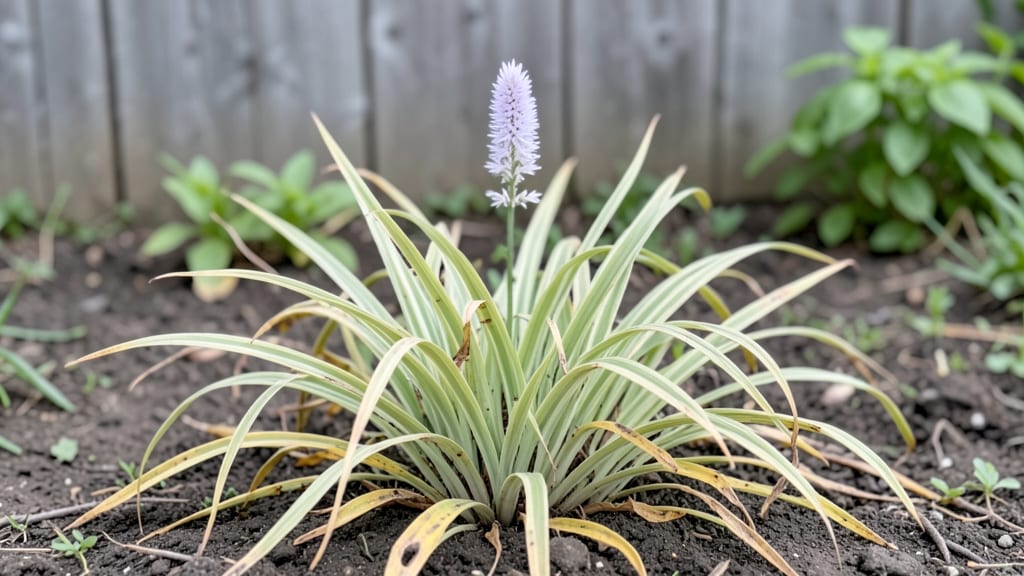
Growing lemon grass flowers 🌿 from a starter to fragrant blooms is easier than you think—and the reward is worth the effort.
Imagine transforming your garden into a fragrant paradise with delicate, citrus-scented blooms that attract pollinators and add a tropical touch to any space. But growing these exotic beauties from scratch requires the right techniques, timing, and care.
In USDA Zone 6a, planting in April or May sets you up for blooms by July, but the secret lies in soil, sunlight, and a little patience.
Most gardeners focus on the edible stalks, but the flowers are where lemon grass truly shines—adding height, texture, and a subtle lemony aroma to your space. The key? Six months of consistent care, from well-draining soil to 6-8 hours of sunlight daily, turns a simple starter into a showstopper.
Here’s how to skip the guesswork and grow lemon grass flowers that thrive, whether you’re planting outdoors in spring or keeping them indoors near a sunny window.
How to grow lemon grass flowers from starter plants: a step-by-step guide
Growing lemon grass flowers from starter plants is a rewarding journey that fills your garden with a citrusy aroma and vibrant blooms. These plants thrive when given the right conditions, and with the proper care, you can encourage healthy growth and abundant flowering within six months.
The key lies in understanding the plant’s needs from day one—whether you’re planting outdoors or in containers.
Lemon grass flowers, scientifically known as Cymbopogon citratus, are actually part of the grass family but produce delicate, fragrant blooms that attract bees and butterflies. The trick is to mimic their natural tropical environment while avoiding common mistakes like overwatering or poor soil drainage, which can stunt growth.
Let’s dive into the step-by-step process to ensure your starter plants flourish and bloom beautifully.
Step-by-Step Guide to Growing Lemon Grass Flowers
- Step 1: Choose the Right Starter Plant
Select a healthy lemon grass starter plant with firm stalks and vibrant green leaves. Avoid plants with yellowing leaves or soft stems, as these signs indicate root rot or disease. If buying from a nursery, opt for potted starters rather than bare-root plants for easier transitioning.
- Step 2: Prepare the Soil
Lemon grass thrives in well-draining soil with a slightly acidic to neutral pH (6.0–7.0). Mix garden soil with compost or peat moss to improve drainage. For container gardening, use a blend of potting mix and perlite to prevent waterlogging.
- Step 3: Plant at the Right Depth
Dig a hole twice as wide as the starter plant’s root ball but only as deep as the container it came in. Gently remove the plant, loosen the roots, and place it in the hole, ensuring the base of the stalks sits just above soil level.
This prevents stem rot from excess moisture.
- Step 4: Water Thoroughly After Planting
Give your new plant a deep watering to help roots establish. Use a watering can with a fine rose to avoid disturbing the soil. In the first 3 months, keep the soil consistently moist but never soggy. Overwatering is a common pitfall that leads to root rot.
- Step 5: Provide Full Sun Exposure
Lemon grass flowers need 6–8 hours of direct sunlight daily to bloom. Place your plants in a south-facing location or under grow lights if indoors. In hot climates, provide afternoon shade to prevent leaf scorch, but ensure morning sun for optimal growth.
- Step 6: Fertilize for Healthy Growth
Use a balanced fertilizer (10-10-10 NPK) every 4–6 weeks during the growing season (spring to early fall). Apply fertilizer in the early morning after watering to avoid burning the roots. Reduce feeding in winter months when growth slows.
- Step 7: Monitor for Pests and Diseases
Keep an eye out for aphids, spider mites, or fungal infections. Remove affected leaves immediately and treat with neem oil or insecticidal soap. Ensure good air circulation by spacing plants 18–24 inches apart to prevent humidity-related issues.
- Step 8: Encourage Blooming with Pruning
To promote flowering, trim back dead or yellow leaves regularly. Once the plant reaches 12–18 inches tall, you may see plume-like flowers emerge. Cut back spent blooms to redirect energy to new growth and extend the flowering season.
During the first 3 months, your lemon grass starter will focus on establishing roots and foliage. Avoid transplanting or moving the plant too soon, as this can shock the system. If growing in containers, choose pots with drainage holes and upgrade to larger containers as the plant matures.
Remember, patience is key—lemon grass flowers may take 6–12 months to bloom fully, depending on growing conditions.
One of the most common mistakes gardeners make is assuming lemon grass is low-maintenance. While it’s drought-tolerant once established, young plants need consistent moisture and nutrient-rich soil to thrive.
If you notice stunted growth or yellowing leaves, check for overwatering or nutrient deficiencies. Adjust your care routine accordingly to keep your plant on track for blooming.
Once your lemon grass flowers bloom, you’ll be rewarded with fragrant, citrus-scented plumes that add a tropical touch to your garden. These blooms also attract pollinators like bees and butterflies, making your space more vibrant and ecologically beneficial.
To prolong the flowering season, continue pruning spent blooms and maintaining consistent care throughout the growing season.
With the right soil preparation, sunlight exposure, and watering schedule, your lemon grass starter will transform into a stunning, fragrant plant. Follow these steps closely, and you’ll enjoy healthy growth and abundant blooms in no time. Happy gardening!
Best conditions for lemon grass flower blooms: sunlight, soil, and climate needs
Lemon grass flowers thrive when you mimic their natural tropical habitat, but even in USDA Zone 6a, you can coax blooms with the right adjustments. The key lies in balancing sunlight exposure, soil drainage, and temperature consistency.
Unlike the edible stalks, these flowers demand slightly more attention to humidity and warmth, especially in cooler climates where they’re often treated as annuals.
In tropical regions, lemon grass flowers bloom effortlessly with year-round warmth and high humidity. But in temperate zones, you’ll need to extend the growing season or grow them in containers to control conditions.
The secret? 6-8 hours of direct sunlight paired with well-draining, slightly acidic soil creates the perfect foundation for blooms.
| Condition | Ideal Specification | Temperate Adaptation |
|---|---|---|
| Sunlight | 6-8 hours daily | Use grow lights for 4-6 hours if outdoors gets <6 hours |
| Soil pH | 5.5-6.5 (slightly acidic) | Add peat moss to raise acidity if soil tests neutral |
| Temperature | 70-90°F (21-32°C) | Grow in containers to move indoors below 60°F (15°C) |
| Humidity | 60-80% | Use humidity trays or mist leaves daily |
| Drainage | Well-draining, sandy loam | Add perlite or coarse sand to heavy soils |
For tropical climates, lemon grass flowers bloom continuously with minimal effort, but in Zone 6a, you’ll need to start plants indoors by March to transplant outdoors after the last frost. The soil mix is critical—too much clay or compacted soil suffocates roots, while sandy loam mimics their native drainage.
Test your soil’s pH and amend with sulfur or peat moss to keep it in the 5.5-6.5 range.
Temperature swings are the biggest hurdle in temperate zones. Lemon grass flowers won’t bloom if nights dip below 60°F (15°C), so use row covers or move potted plants indoors during cold snaps.
In containers, you can extend the season by placing them near a south-facing window or under grow lights for 12 hours daily during winter.
Humidity is another game-changer. In dry climates, group plants together to create a microclimate or use a humidity tray with pebbles and water. For indoor growers, mist leaves daily or use a pebble tray under pots.
The goal is to keep air moisture above 60%—this triggers the flowering process and prevents bud drop.
With these adjustments, even gardeners in cooler climates can enjoy lemon grass flowers by July or August, turning their outdoor space into a fragrant oasis. The payoff? Delicate lavender-purple blooms that attract bees and hummingbirds while filling the air with a subtle citrus scent.