
Plants
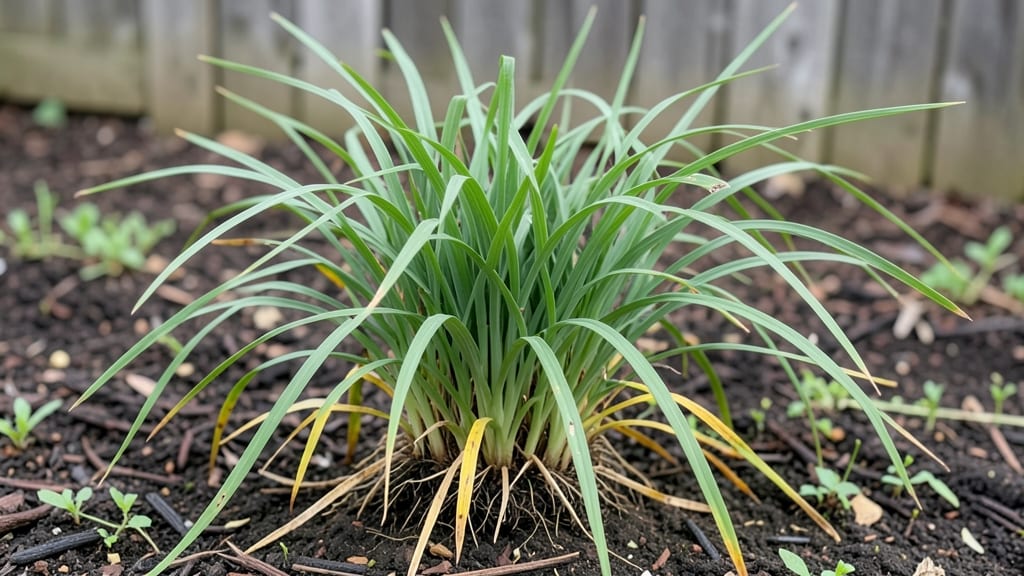
Boosting lemon grass growth fast starts with the right techniques—whether you're rooting cuttings or nurturing seeds, the key is speed and consistency.
Struggling to keep your lemon grass thriving year-round? This fragrant, versatile herb can be stubborn to grow—but with the right propagation methods, you’ll harvest fresh stems in just weeks, not months.
The secret lies in mimicking its tropical roots with warm soil, bright light, and just enough moisture to keep it happy without drowning it.
Lemon grass loves warmth and sunlight, thriving in Zone 6a once the last frost passes in April. Plant it in well-draining soil after the danger of frost is gone, and you’ll see rapid growth—especially if you feed it a balanced fertilizer every 4-6 weeks during the growing season.
From cuttings to full harvest, I’ll walk you through the fastest way to propagate lemon grass, troubleshoot common issues, and keep your plants lush all summer long.


How to propagate lemon grass from cuttings: the fastest method
If you’ve ever struggled to keep lemon grass alive beyond a single harvest, you’re not alone. This hardy but finicky herb thrives when propagated correctly—and the fastest way is through stem cuttings.
With a 90%+ success rate when done right, you can grow fresh lemon grass year-round in just 4-6 weeks, whether indoors or outdoors. The key? Healthy cuttings, the right conditions, and patience during the rooting phase.
Unlike seeds, which can take months to mature, lemon grass cuttings root quickly and produce usable stems in weeks. Whether you’re reviving a dying plant or expanding your herb garden, this method ensures you’ll have a steady supply of fragrant stems for cooking, teas, or aromatherapy.
Let’s dive into the step-by-step process that guarantees success, even for beginners.
Once rooted, your lemon grass will grow 2-3 inches per week under ideal conditions. To maximize growth, place your new plants in full sun (6+ hours/day) and water deeply every 3-5 days, ensuring the soil stays moist but not waterlogged.
Avoid over-fertilizing—lemon grass thrives on balanced 10-10-10 fertilizer applied every 6-8 weeks during the growing season.
Pro tip: If you’re propagating multiple cuttings, label them with the date and variety (e.g., "Citronella" or "Regular"). This helps track growth rates and harvest readiness. For example, cuttings rooted in spring will mature faster than those started in fall due to longer daylight hours.
Troubleshooting is rare with this method, but if your cuttings yellow or rot, it’s usually due to overwatering or poor airflow. Adjust by reducing water or trimming crowded leaves.
With the right care, your lemon grass will reward you with harvest-ready stems in just 6-8 weeks—far faster than growing from seed.
Ready to propagate? Grab your sharpest pruners, a jar of water, and a sunny spot—your garden’s about to get a whole lot more fragrant. Happy growing! 🌿
Lemon grass growth conditions: soil, sunlight, and water requirements
Lemon grass thrives when you mimic its tropical origins with the right soil conditions, sunlight exposure, and watering routine. In my garden, I’ve found that paying attention to these three factors is what separates struggling plants from lush, harvest-ready stalks.
The key is creating an environment where the roots stay warm, the leaves get plenty of light, and the soil stays consistently moist—but never soggy.
For optimal lemon grass growth, start with well-draining soil that’s rich in organic matter. A slightly acidic to neutral pH between 5.5 and 6.5 is ideal, which you can achieve by mixing compost into your garden beds or potting soil.
If your soil tests higher, add a bit of peat moss or sulfur to lower the pH gradually. I always test my soil before planting to avoid surprises.
| Growth Factor | Ideal Condition | Why It Matters |
|---|---|---|
| Soil Type | Well-draining, sandy loam | Prevents root rot and mimics tropical soil |
| Soil pH | 5.5–6.5 | Optimal nutrient uptake for healthy growth |
| Sunlight Needs | 6+ hours/day | Full sun promotes strong stems and leaf development |
| Watering Schedule | Keep soil moist (not soggy) | Consistent moisture encourages rapid growth |
| Temperature Range | 60–90°F (15–32°C) | Warmer temps speed up growth and flowering |
| Fertilizer Type | Balanced 10-10-10 | Supports steady growth without overloading nitrogen |
When it comes to sunlight, lemon grass is a sun-worshipper. Plant it in a spot where it gets at least 6 hours of direct sunlight daily.
In my garden, the south-facing beds are perfect for this tropical herb, and I’ve noticed that plants in partial shade grow slower and produce weaker stems.
If you’re growing lemon grass in containers, place them near a south-facing window or under grow lights for 8–10 hours a day during shorter seasons.
Watering is where many gardeners go wrong—either drowning the roots or letting the soil dry out completely. Lemon grass prefers consistently moist soil, but it hates soggy conditions that lead to root rot.
I water my plants deeply every 3–5 days, ensuring the top 2–3 inches of soil stay damp. During hot summer months, I increase the frequency to every 2–3 days, but always check the soil moisture before watering.
A simple finger test—inserting your finger 1 inch into the soil—tells me if it’s time to water.
One pro tip I’ve learned is to mulch around the base of your lemon grass plants with straw or wood chips. This helps retain moisture, regulates soil temperature, and keeps weeds at bay. Just be sure to keep the mulch 2–3 inches away from the stem to prevent rot.
With the right balance of sunlight, soil conditions, and watering, your lemon grass will grow tall and aromatic in no time—ready for harvest in as little as 60–90 days.
Remember, lemon grass is a warm-season plant, so it’s best to start planting after the last frost in Zone 6a, typically around mid-April. If you’re in a cooler climate, consider growing it in containers so you can bring it indoors during frost.
With these conditions met, you’ll be enjoying fresh lemon grass for curries, teas, and cocktails all season long!