
Plants
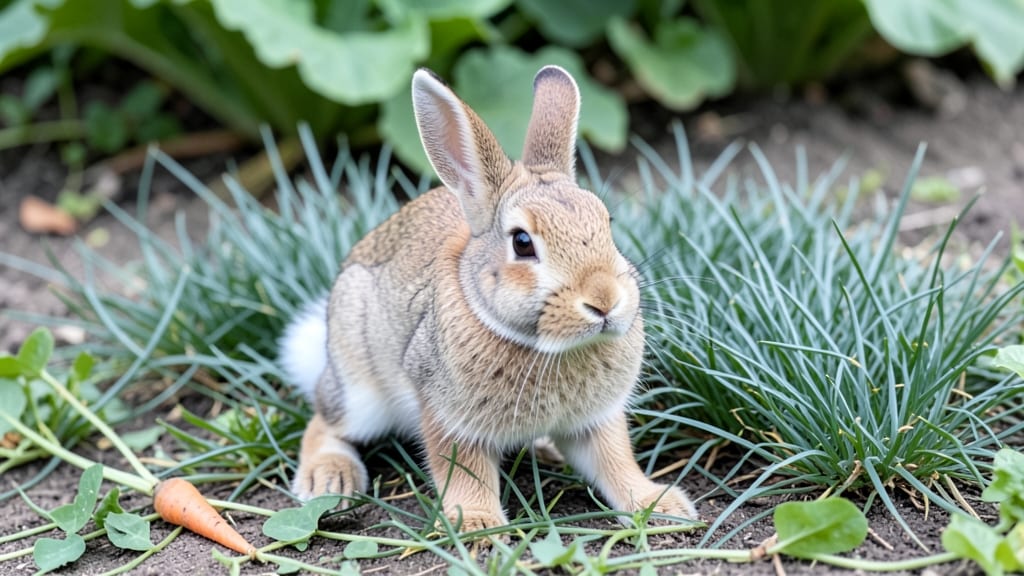
Growing a rabbit grass plant 🌱 could transform your yard into a low-effort, drought-resistant oasis—this hardy ground cover spreads faster than traditional turf, even in tough conditions.
If you're tired of high-maintenance lawns that struggle in shady spots or demand constant watering, rabbit grass could be your game-changing solution—this fast-spreading ground cover thrives where traditional turf fails.
Unlike fussy lawn grasses, rabbit grass handles partial shade and dry spells with ease, making it perfect for USDA Zone 6a and warmer climates. Plant it in late spring to early summer for the fastest establishment.
Below, I’ll walk you through the easiest planting method, how to keep it contained, and why it’s the secret weapon for low-maintenance landscapes—no mowing required.

How to plant and establish rabbit grass for maximum spread
Rabbit grass (Polypogon monspeliensis) is a low-maintenance ground cover that spreads quickly to create a lush, drought-tolerant lawn even in partial shade. Unlike traditional turf, it thrives in poor soil conditions and requires minimal mowing.
The key to its rapid establishment lies in proper planting techniques and consistent aftercare.
Before diving in, know that rabbit grass prefers well-draining soil with a pH between 6.0-7.5. It tolerates both full sun and partial shade, making it versatile for various landscapes. For the fastest spread, plant during late spring to early summer when temperatures are warm but not scorching.
Planting Rabbit Grass: Step-by-Step
- 1 Prepare the soil: Till the area to a depth of 4-6 inches and remove weeds. Rabbit grass tolerates clay or sandy soil, but adding compost improves drainage.
- 2 Choose your method: Plant from seeds (sprinkle lightly) or sod (lay in strips). Seeds take 2-3 weeks to germinate, while sod establishes in 2-4 weeks.
- 3 Space correctly: For seeds, use 10-15 seeds per sqft. For sod, leave no gaps between strips. Rabbit grass spreads via rhizomes, so overcrowding isn’t an issue.
- 4 Water deeply: Keep soil moist but not soggy for the first 4-6 weeks. Water early morning to prevent fungal growth. Once established, reduce to once weekly.
- 5 Fertilize lightly: Apply a balanced 10-10-10 fertilizer at 1 tbsp per 10 sqft in early spring. Rabbit grass doesn’t need heavy feeding—over-fertilizing can harm its natural spread.
- 6 Mow occasionally: Once established, mow to 2-3 inches tall only if needed. Rabbit grass grows aggressively, so minimal trimming encourages thicker growth.
One of rabbit grass’s biggest advantages is its adaptability to sunlight. In full sun (6+ hours/day), it grows 1-2 inches per week, creating a dense mat quickly. In partial shade (3-6 hours/day), growth slows slightly but remains vigorous compared to traditional turf.
For shady areas, choose a spot with at least 3 hours of indirect light. Avoid deep shade, as rabbit grass may become thin and sparse. If your yard has patchy sunlight, plant in the sunniest sections first—the grass will spread naturally into shadier spots over time.
After the first 6-8 weeks, rabbit grass will form a dense, weed-resistant mat. At this stage, reduce watering to once weekly and stop fertilizing. Its deep root system makes it highly drought-tolerant, requiring water only during prolonged dry spells.
If you’re planting rabbit grass as a livestock forage or erosion control, focus on maximizing coverage by overseeding bare patches annually. For ornamental use, let it grow freely—its soft, green blades create a natural, low-maintenance look.
Pro tip: Use a soil test kit before planting to check for nutrient deficiencies. Rabbit grass grows best in neutral to slightly acidic soil. If your soil is too alkaline, amend with peat moss or sulfur to adjust the pH.
Once established, rabbit grass requires almost no maintenance. Unlike traditional lawns, it won’t need regular mowing, fertilizing, or pest control. Its natural spread makes it
Rabbit grass vs traditional lawn: growth speed and maintenance comparison
If you're comparing rabbit grass to traditional lawns, the differences in growth speed and maintenance needs are dramatic. Rabbit grass spreads 1-2 inches per week under ideal conditions, while Kentucky bluegrass or fescue may grow just 1 inch per month.
This rapid spread means your lawn fills in faster with less effort—perfect for erosion-prone areas or bare patches.
Traditional lawns require weekly mowing in peak season, while rabbit grass only needs monthly trimming with a string trimmer. The trade-off? Rabbit grass may outcompete other plants if not managed, making it ideal for large open spaces rather than precise garden beds.
One of rabbit grass's biggest advantages is its drought tolerance. Once established, it thrives with bi-weekly watering in summer, while traditional lawns often need daily irrigation during heatwaves. This makes rabbit grass a water-saving champion for sustainable landscaping in dry climates.
For shade tolerance, rabbit grass handles partial shade better than most traditional grasses, which typically require 6+ hours of sunlight. If your yard has tree canopies or north-facing slopes, rabbit grass will outperform Kentucky bluegrass, which often turns yellow in low-light areas.
However, rabbit grass isn't perfect for precision landscaping. Its aggressive spread can overwhelm flower beds or vegetable gardens, requiring edging barriers if you want to contain it. Traditional lawns offer more control but demand regular fertilization and pest treatments to stay lush.
For low-maintenance living, rabbit grass wins—just be prepared for its wild, natural look. If you prefer a manicured appearance, stick with traditional turf and embrace the weekly mowing ritual. Either way, both options have their place in modern landscapes.
🌱