
Lawn
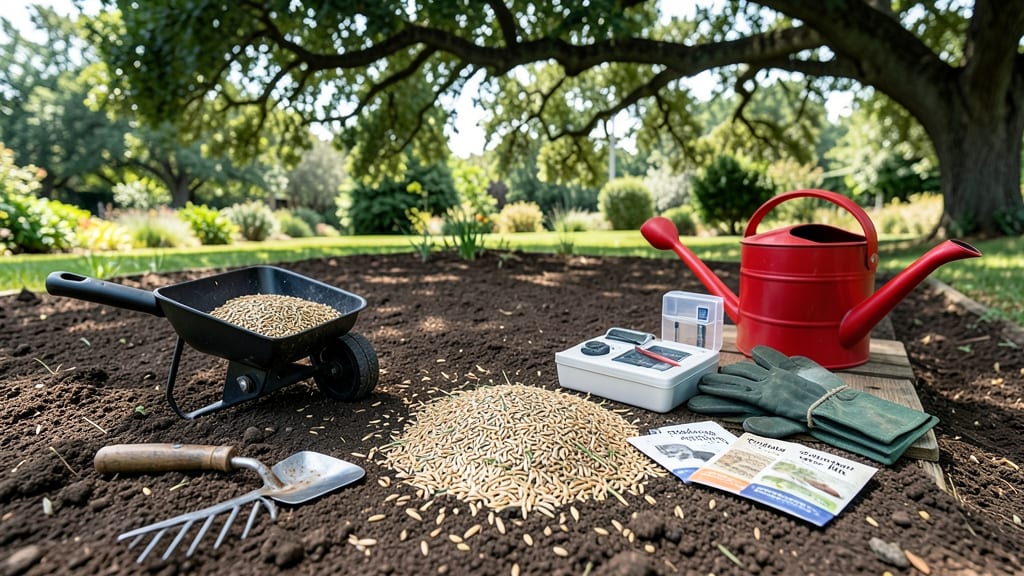
Planting lawn seed in Melbourne works best during spring and autumn when soil temperatures and rainfall align perfectly for germination 🌱.
Melbourne’s unpredictable weather can make timing your lawn seed planting a tricky task—but getting it right means the difference between a lush, green carpet and patchy, struggling grass.
Spring (September to November) offers mild temperatures and steady rains, while autumn (March to May) provides cooler soil and fewer weeds, both ideal for seedling success.
Here’s how to choose the best months for your lawn, prep your soil, and avoid common pitfalls like drought or frost—so you end up with the lawn of your dreams.
Best months to plant lawn seed in Melbourne for optimal germination
Melbourne’s cool maritime climate creates unique challenges for lawn seed germination. Unlike tropical regions, Melbourne’s spring and autumn offer the perfect balance of soil warmth and moderate rainfall—ideal conditions for cool-season grasses like ryegrass and fescue, which dominate local lawns.
Planting outside these windows risks drought stress or frost damage, especially in Melbourne’s Climate Zones 3-4.
The key to success lies in soil temperature and rainfall patterns. Seeds need soil temps between 15–25°C (59–77°F) to germinate reliably. In Melbourne, this typically aligns with March–May (autumn) and September–November (spring), when daytime highs hover around 20–25°C (68–77°F) and overnight lows stay above 10°C (50°F).
Here’s why these months work best for Melbourne’s cool-season grasses:
| Planting Window | Ideal Soil Temp (°C) | Rainfall Needs | Grass Variety | Melbourne Zone Fit |
|---|---|---|---|---|
| Spring (Sep–Nov) | 18–25°C | 10–20mm/week | Ryegrass, Fescue | Zones 3–4 (best) |
| Autumn (Mar–May) | 15–22°C | 12–18mm/week | Perennial Ryegrass | Zones 3–4 (optimal) |
| Winter (Jun–Aug) | <10°C (risky) | 8–12mm/week | Fescue (hardy) | Zone 4 only (cooler areas) |
| Summer (Dec–Feb) | >25°C (stressful) | <8mm/week (drought) | Avoid (high failure) | Not recommended |
Autumn planting in March–April is often the gold standard for Melbourne lawns. The soil remains warm from summer while cooler air temperatures reduce evaporation rates, keeping seeds consistently moist. This window also avoids the heat stress of summer and the frost risk of winter.
For example, planting perennial ryegrass in late March gives seeds 8–10 weeks of ideal conditions before winter slows growth.
Spring planting (September–October) works well for filler grasses like fine fescue, which thrive in Melbourne’s cooler mornings and warmer afternoons. However, avoid planting in November unless you’re in Zone 4 (e.g., Dandenong Ranges), where soils stay cooler longer.
In Zone 3 (e.g., coastal areas), November’s heat can cause seed desiccation within days.
Melbourne’s microclimates further complicate timing. Inland areas (e.g., Sunbury) experience hotter, drier conditions, making autumn the only reliable window. Coastal suburbs (e.g., Frankston) benefit from milder winters, allowing late autumn or early spring planting.
Always check your local Bureau of Meteorology forecasts for 7-day rainfall predictions before seeding—10mm of rain within 2 weeks is non-negotiable for germination.
Pro tip: If you must plant in winter (June–August), choose hardy fescue varieties and prepare for slower germination (3–4 weeks vs. 7–10 days in spring/autumn). Use a lightweight mulch (e.g., straw) to insulate seeds from frost while retaining moisture.
In Zone 4, winter planting can succeed if soils are not waterlogged—a common issue after Melbourne’s winter rains.
Summer planting (December–February) is a gambling game unless you’re irrigating daily. Even with drip systems, heatwaves (e.g., 40°C+ days) can kill seeds before they sprout. If you’re repairing a small patch in summer, opt for pre-grown sod instead of seed—it establishes 3x faster under stress.
For maximum germination rates, time your planting to align with Melbourne’s natural rainfall peaks. The autumn break (March–April) and spring transition (September–October) typically deliver the consistent moisture seeds crave.
Pair this with evening watering (just enough to keep soil damp) and you’ll see sprouts in 7–14 days—a lush, uniform lawn in just 6–8 weeks.
Remember: Melbourne’s unpredictable weather
How Melbourne’s weather affects lawn seed success: rainfall, heat, and frost risks
Melbourne’s variable climate creates unique challenges for lawn seed germination. While spring and autumn are ideal planting seasons, summer heatwaves and winter frosts can derail your efforts if not planned for. The key is understanding how rainfall patterns, temperature extremes, and microclimates impact your lawn’s success.
Coastal areas like Brighton enjoy milder winters with less frost risk, while inland zones like Melton face harsher cold snaps. Even 10mm of rainfall per week is critical post-planting to keep seeds moist—something Melbourne’s unpredictable showers don’t always deliver.
Without proper preparation, your lawn seed investment could struggle to establish.
⚠️ Critical Timing Alert
Plant only when: Soil temps are 15-25°C (spring/autumn), 10mm+ rain/week is forecasted, and no frost warnings exist. Summer planting risks drought stress, while winter planting risks frost damage—both can kill seedlings before they sprout.
For summer planting, focus on shade-tolerant varieties like tall fescue and use mulch or shade cloth to protect seeds from intense UV rays. Inland areas should avoid planting in December-February unless you’re prepared for supplemental irrigation every 2-3 days.
Coastal zones have slightly more flexibility but still require consistent moisture.
Winter brings frost risks, especially in June-August. If you must plant, choose cold-hardy grasses like hard fescue and cover seeds with straw mulch to insulate them.
Even light frosts can delay germination by 1-2 weeks, so monitor forecasts closely. Morning watering helps prevent frost damage by keeping soil slightly warmer.
Microclimates play a huge role—urban heat islands in Melbourne’s CBD can be 5°C warmer than suburbs like St Kilda. Adjust planting times by 1-2 weeks based on your location.
For example, inland areas should plant earlier in autumn (March-April) while coastal areas can extend into May with lower frost risk.
Pro tip: Use a soil thermometer to confirm ideal temps before planting. Pair this with a weekly rainfall tracker to ensure your lawn stays hydrated. With these adjustments, you’ll maximize germination rates and minimize weather-related setbacks—even in Melbourne’s fickle climate. 🌱