
Plants
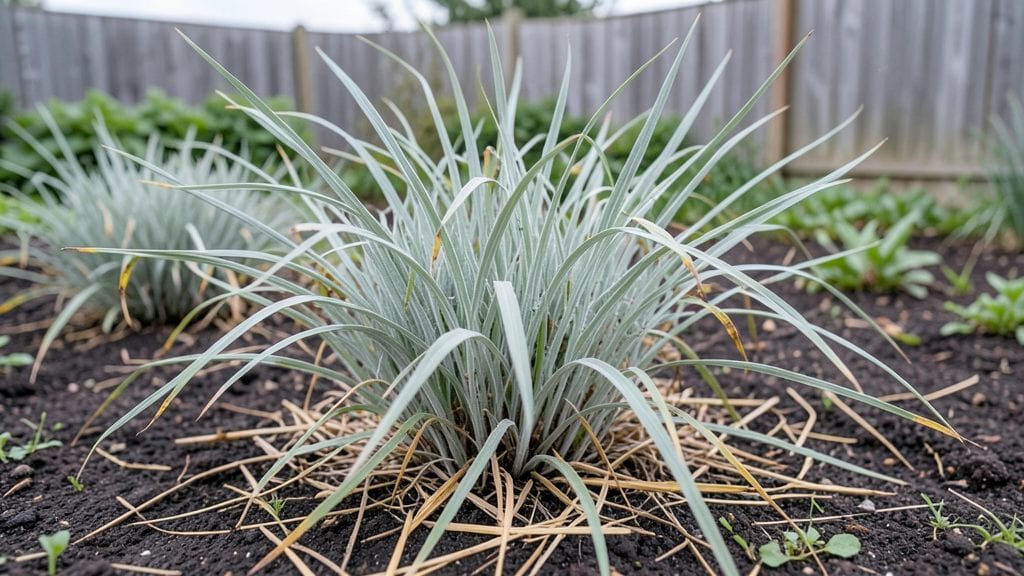
This fragrant herb's visual and tactile clues make it easy to spot in gardens or markets. 🌿 The leaves grow in a fan-like pattern from the stalk's top, and the base often shows bruising if fresh.
Many confuse it with ginger or galangal, but lemon grass lacks the knobby rhizomes of those roots. I always check the scent first—crushing a stalk releases that unmistakable lemony aroma that sets it apart from other tropical plants.
For kitchen use, look for firm stalks with bright green leaves—wilting or yellowing means it's past its prime. Gardeners should plant it in well-drained soil with partial sun, as it struggles in cold climates.
The fibrous texture of the stalk also helps distinguish it from similar-looking plants like citronella, which has a more woody stem.
💡 In This Article
- Distinguishing Lemon Grass from Similar Smelling Plants
- How to Verify Lemon Grass in Kitchen or Garden
Distinguishing lemon grass from similar smelling plants
The first clue to identifying lemon grass lies in its pseudo-stem structure—unlike ginger or galangal, which grow from thick rhizomes, lemon grass forms a fibrous, layered base made of tightly wrapped leaf sheaths.
This creates a hollow, cylindrical stalk that's 1-2 inches thick and can reach 3-6 feet tall, while galangal's rhizomes appear knobby and segmented. The leaves grow in a fan-shaped cluster at the top, with a pale yellowish-green hue that darkens slightly as the plant matures.
When comparing scents, lemon grass releases a bright, citrusy aroma when crushed, similar to a mix of lemon and lime zest but more complex. Galangal, by contrast, has a spicy, peppery scent with hints of ginger, while citronella smells more like lemon verbena with woody undertones.
Ginger's rhizome, when sliced, reveals a rough, knobby texture and a sharp, pungent aroma that's entirely different. The key is to crush the stalk—lemon grass's scent is immediate and vibrant, whereas galangal's takes a moment to develop its heat.
Texture plays a crucial role too. Lemon grass stalks feel fibrous and slightly springy when bent, almost like a thick reed, while citronella stems are harder and more woody. The leaves themselves are smooth and slightly waxy, with a delicate, almost papery quality when touched.
In warm climates, lemon grass thrives in USDA zones 9-11, where it grows aggressively, while galangal prefers tropical rainforests and struggles in drier conditions. This hardiness explains why you'll find lemon grass in home gardens while galangal is rarer outside Southeast Asia.
Here’s a quick visual comparison to help you spot the difference:
- Lemon Grass: Hollow, fibrous stalk; fan-shaped leaves; bright citrus scent when crushed
- Galangal: Knobby rhizomes; darker green leaves; spicy, peppery aroma
- Citronella: Woody, segmented stems; lemony but woody scent; used for repelling insects
- Ginger: Rough, knobby rhizome; sharp, pungent aroma; no hollow stalk
One common mistake is confusing lemon grass with West Indian lemongrass (Cymbopogon citratus), which is actually the same plant—lemon grass and West Indian lemongrass are regional names for Cymbopogon citratus.
However, if you encounter a plant labeled "East Indian lemongrass" (Cymbopogon flexuosus), it will have a stronger, more herbal scent and slightly thicker stalks. The scent test remains your best tool—lemon grass’s aroma is unmistakable once you know what to look for.
For gardeners, the leaf arrangement is another giveaway. Lemon grass leaves grow in two rows along the stalk, creating a flat, sword-like appearance when viewed from the side. This contrasts with galangal’s broad, lance-shaped leaves that grow in a more random pattern.
The fibrous base also makes lemon grass easier to harvest—simply cut the stalk at the base, and new shoots will regrow from the clump. This resilience is why it’s a staple in tropical kitchens worldwide.