
Landscaping
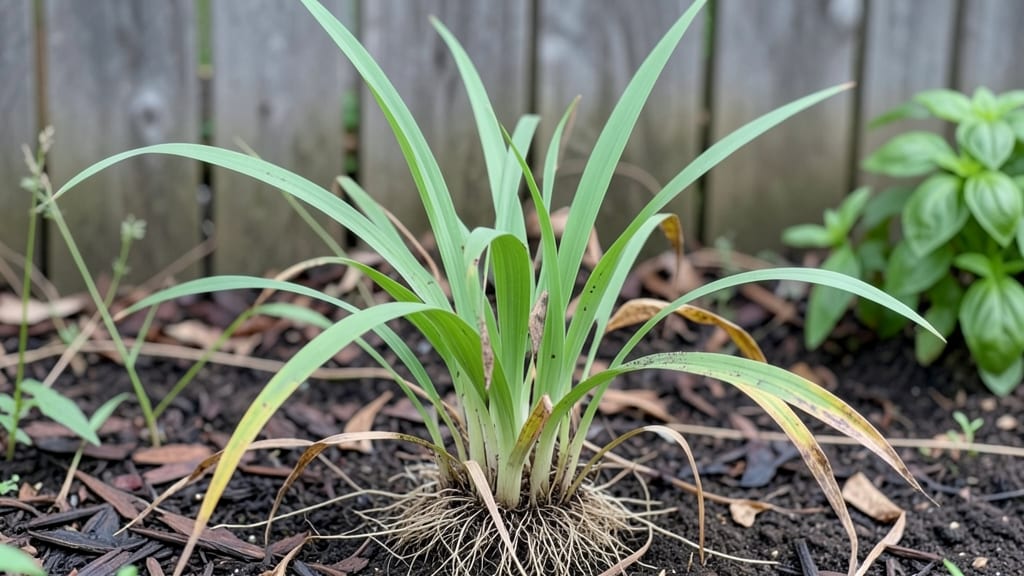
Creating a lemon grass yard transforms your outdoor space into a fragrant, tropical oasis with surprising speed. 🌿 The secret lies in its rapid growth—once established, lemon grass forms a lush, privacy-granting screen that smells amazing while keeping pests at bay.
I planted mine along a fence last spring, and by summer, it was already taller than my waist.
You’ll need just a few basics: 10-15 lemon grass stalks (or divisions from existing plants), well-draining soil, and a sunny spot with 6+ hours of light daily.
Spacing them 18-24 inches apart ensures they fill in quickly without overcrowding. Pair it with drought-tolerant companions like lantana or ornamental grasses for a cohesive, low-maintenance look.
The payoff? A fragrant, wind-blocking hedge that’s ready for harvest in just 3 months—perfect for cooking or pest control. The citrusy aroma alone makes it worth it, but the privacy?
Game-changer. Plus, it thrives in heat and humidity, making it ideal for Southern climates or even container growing in cooler zones.
Pro tip: Trim back leggy stems in early spring to encourage bushier growth. Avoid heavy clay soil—lemon grass hates soggy roots. With the right placement, your yard will feel like a hidden tropical retreat in no time.
📚 In This Guide
- What you need
- Instructions
- Tips and common mistakes
- Wrapping up and next steps
What you need
- ● Lemon grass plants (Cymbopogon citratus): 20–30 clumps (depending on desired screen height and width; ~1 plant per square foot)
- ● Note: Choose mature clumps (6–12 inches tall) for faster growth.
- ● Well-draining soil: 5–10 bags of sandy loam or potting mix (1 cubic yard for a 10’x3’ trench)
- ○ Optional: Compost (1–2 bags) for nutrient boost.
- ● Mulch: 2–3 bags of pine straw or wood chips (to retain moisture and suppress weeds).
- ● Shovel (for digging trenches)
- ● Garden trowel (for planting individual clumps)
- ● Measuring tape (to mark spacing—aim for 12–18 inches apart)
- ● Wheelbarrow (for mixing soil)
- ● Garden hose or watering can (with a soaker hose attachment for deep watering)
- ● Pruning shears (for trimming as it grows)
- ○ Optional: Stakes or landscape fabric (to define planting lines)
- ● Gloves (for extra grip and protection)
- ● Sunlight: A full-sun to partial-sun location (6+ hours of sunlight daily).
- ● Space: Clear a 3–4 foot wide trench (adjust width for thicker screens).
- ● Water source: Access to regular watering (lemon grass loves moisture but hates soggy roots).
- ● Climate check: Lemon grass thrives in USDA Zones 9–11. For cooler zones, plant in containers or as an annual.
Step-by-Step instructions for planting a lemon grass privacy screen
Here’s how to transform your yard into a fragrant, lush tropical barrier in just three months.
🌱 Step 1: Select and Prepare Planting Sites
Choose a location with full sun to partial shade—lemon grass thrives in 6-8 hours of sunlight daily, but it tolerates light shade if you live in a hotter climate. Mark out a 4-foot-wide strip along your property line or fence, as mature plants reach 5-6 feet tall and 3-4 feet wide. Clear all weeds, rocks, and debris from the area first.
Lemon grass dislikes competition, so dig up any grass or invasive roots within a 2-foot radius of where each plant will go. The soil should be loose and well-draining—amend heavy clay with 2-3 inches of compost mixed into the top 6 inches of soil. If your yard has poor drainage, mound the soil slightly to prevent root rot.
🪴 Step 2: Plant Lemon Grass Clumps Spaced for Full Coverage
Purchase 4-6 lemon grass plants (or divide a single clump into smaller sections) to ensure full coverage. Space them 18-24 inches apart in rows 2 feet apart—this creates a dense screen faster than widely spaced plants. Dig holes just deep enough to cover the root ball, then place each clump gently into the soil.
Press the soil firmly around the base to eliminate air pockets, but don’t compact it too tightly. Water deeply right after planting to settle the roots. Here’s the thing—lemon grass grows best when its roots establish quickly, so keep the soil consistently moist (not soggy) for the first 2-3 weeks. You’ll know it’s working when new growth appears within 7-10 days.
☀️ Step 3: Mulch and Maintain for Rapid Growth
Spread 2-3 inches of mulch (like pine straw or shredded bark) over the soil to retain moisture, suppress weeds, and keep roots cool. Avoid thick mulch layers—too much can smother the plants. Water 1-2 times weekly during the first month, allowing the top 2 inches of soil to dry slightly between waterings.
Fertilize lightly with a balanced, slow-release fertilizer (10-10-10) every 6-8 weeks to encourage lush growth. Lemon grass is drought-tolerant once established, but young plants need consistent moisture. Watch for yellowing leaves—this usually means overwatering or poor drainage. Adjust your watering schedule if you see this happen.
✂️ Step 4: Prune and Shape for a Neat Screen
After 8-12 weeks, your lemon grass will reach 3-4 feet tall. Trim back any leggy or overgrown stems to encourage bushier growth. Use clean, sharp pruners to cut stems 2-3 inches above the ground in early spring to stimulate new shoots. This keeps the screen dense and prevents it from looking wild.
Real talk: Lemon grass spreads slowly but steadily. If you notice it encroaching beyond your desired area, dig up any stray shoots and replant them elsewhere. The fragrant leaves also make great additions to dishes—just snip a few stems as needed without harming the plant.
Tips & tricks for perfect lemon grass privacy screens
Here's what I've learned after planting and maintaining tropical screens—these tricks will help you avoid common pitfalls and get that lush, fragrant barrier faster.
Sunlight Strategy: While lemon grass thrives in 6-8 hours of sunlight, I've found the sweet spot is actually morning sun with afternoon shade in hotter climates. This prevents leaf scorch while still providing enough light for vigorous growth. If your location gets intense afternoon sun, consider installing temporary shade cloth during the hottest hours until plants establish their root systems.
Plant Spacing Secret: The 18-24 inch spacing in Step 2 might seem generous, but trust me—this creates a denser screen faster than closer spacing. When plants are too crowded, they compete for nutrients and light, resulting in leggy growth. I've seen screens with plants spaced 12 inches apart that took twice as long to fill in compared to properly spaced ones. The extra space also makes maintenance easier.
Root Establishment Hack: For the first 2-3 weeks when keeping soil consistently moist, I recommend using a soaker hose rather than overhead watering. This delivers water directly to the root zone without wetting the leaves, which helps prevent fungal issues. The key is to keep the top 2 inches of soil moist but never soggy—you should be able to stick your finger in about an inch deep and feel moisture but not see standing water.
Mulch Layer Wisdom: When applying that 2-3 inch mulch layer in Step 3, I've learned to pull it back slightly (about 1-2 inches) from the plant stems. This prevents moisture from pooling against the base, which can cause rot. Also, choose mulch with good airflow properties like pine straw—it allows rain to penetrate while still suppressing weeds. Avoid thick layers of bark chips that can smother the plants.
Pro Tips for Lemon Grass Yard
- Here's what I've learned after planting and maintaining tropical screens—these tricks will help you avoid common pitfalls and get that lush, fragrant barrier faster.
- Sunlight Strategy: While lemon grass thrives in 6-8 hours of sunlight, I've found the sweet spot is actually morning sun with afternoon shade in hotter climates.
- Plant Spacing Secret: The 18-24 inch spacing in Step 2 might seem generous, but trust me—this creates a denser screen faster than closer spacing.
Frequently asked questions
Got questions about growing a lemon grass yard? You’re not alone!
Here are answers to the most common queries to help you create your dream tropical privacy screen.
How fast does lemon grass grow in a yard?
Lemon grass grows fast—expect 1–2 feet per year under ideal conditions! With proper care, you can achieve a lush, dense screen in 3–6 months. For quicker results, plant clumps closer together (12–18 inches apart) and keep soil moist.
How often should I water lemon grass in my yard?
Water deeply 2–3 times per week during the first month to establish roots, then 1–2 times weekly once mature. Lemon grass hates drought, so mulch around the base to retain moisture. Yellowing leaves? That’s a sign it’s thirsty!
Can lemon grass survive winter in a yard?
Lemon grass is tropical and not frost-tolerant. In cold climates (below 20°F), treat it as an annual or grow it in containers to move indoors. If you’re in a mild zone (Zone 9+), protect plants with mulch during light freezes.
What’s the best alternative if lemon grass won’t grow in my yard?
Try these fast-growing, tropical-friendly alternatives:
- Bamboo (clumping varieties for privacy)
- Pandanus (exotic, drought-tolerant foliage)
- Dwarf banana trees (adds height + texture)
- Elephant ear plants (bold, tropical vibes)
Why are bugs eating my lemon grass?
Common pests like aphids, spider mites, or grasshoppers may target lemon grass. Spray with neem oil or insecticidal soap for mild infestations. Prevent issues by keeping plants healthy—overwatering or nutrient deficiencies stress plants, making them vulnerable.
Wrapping up and next steps
Transforming your yard into a lush, tropical lemon grass privacy screen is simpler than you think—and the rewards are worth every minute! 🌿 With just a few months of care, you’ll enjoy fragrant air, natural beauty, and a serene space that feels like a hidden paradise.
Whether you’re a beginner or a seasoned gardener, this project is a game-changer for both aesthetics and functionality.
Ready to dive in? Start small: pick a sunny spot, gather your supplies, and plant your first batch of lemon grass this weekend. Before you know it, you’ll be sipping iced tea under your very own tropical oasis! 🍹✨