
Lawn
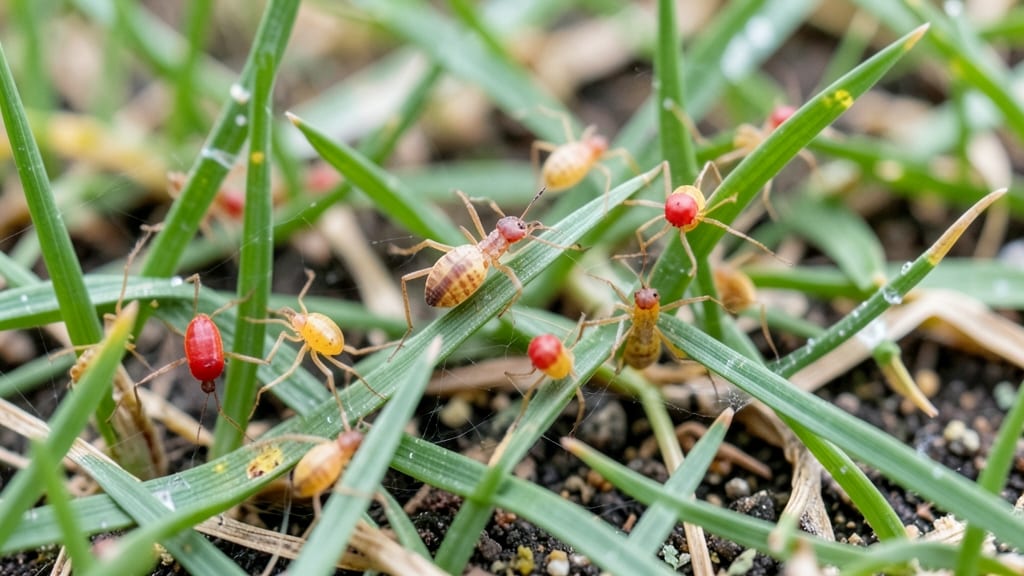
Spider mites on lawn turn vibrant green into a dusty, yellowing mess faster than you can say "summer drought." 🌿 I’ve watched these tiny pests drain grass of its life, leaving behind a ghostly, brittle carpet that looks like it’s been sunburned—except it’s not the sun’s fault.
The key to stopping them? Spotting them early, cutting off their food supply, and hitting them with targeted treatments before they spin their webs across your entire yard.
Most people don’t realize spider mites thrive in dry, hot conditions, which is why they explode in late summer when grass is already stressed. You’ll see the damage first—tiny speckles of yellow or brown, almost like someone sprinkled pepper on your lawn.
Then, if you look closely, you might spot fine webbing between blades, especially in the heat of the day. The good news? These pests are easy to starve out with proper watering and shade, and natural predators like ladybugs and lacewings can wipe them out if given half a chance.
Within 24 hours of starting the right treatment—whether it’s a strong spray of water, neem oil, or insecticidal soap—you’ll see the mites retreat.
The grass starts to perk up within 3-5 days as you break their cycle, and with consistent care, your lawn can bounce back to that lush, green state. The secret isn’t just killing them fast; it’s making your lawn less inviting for future infestations.
Works for any grass type, from cool-season fescue to warm-season Bermuda, and fits into your regular lawn care routine. Let’s get that green back—and keep it that way.
Root Causes Of Tiny Lawn Invaders
Spider mites may seem like tiny, harmless pests, but they can quickly turn your lush lawn into a yellowed, weakened mess. Understanding why these microscopic arachnids thrive on grass helps you tackle them effectively.
Below, we break down the key factors that invite spider mites to your lawn—and how they exploit them.
Spider mites love heat and dry conditions. When your lawn suffers from drought, grass plants become dehydrated and stressed, producing sticky, sugary secretions called honeydew. This sweet substance acts like an all-you-can-eat buffet for mites, attracting them in droves.
Additionally, heat accelerates their reproduction cycle—some species can multiply 20 times faster in warm, dry weather compared to cooler, humid conditions.
💡 Pro Tip: If your lawn is brown and crispy, it’s already a spider mite magnet. Deep watering (1–1.5 inches per week) and mulching can reduce stress signals that lure them in.
Too much nitrogen fertilizer might make your grass grow faster, but it also creates soft, tender blades that spider mites adore. Over-fertilized lawns lack resilience, making them easier targets for pests. Worse, synthetic fertilizers can disrupt natural predator populations (like ladybugs or lacewings), leaving mites with fewer enemies.
🌡️ Watch For:
- Grass that feels spongy when walked on (sign of overwatering + over-fertilizing).
- Yellowing patches that don’t improve with water (a red flag for mite activity).
✨ Fix It: Switch to slow-release organic fertilizers and test soil pH—ideal ranges (6.0–7.0) support healthier grass that mites avoid.
Spider mites aren’t the only creatures feeding on your lawn. In a balanced ecosystem, predators like lacewings, ladybugs, and parasitic wasps keep mite populations in check. But when you use broad-spectrum pesticides (even "lawn-safe" ones), you’re also wiping out these beneficial bugs. Without their help, mites reproduce unchecked.
🔥 What Happens Next:
Predator Gone
Mite Population
Ladybugs (eat 50+ mites/day)
↑ Explodes in 2–3 weeks
Lacewings (larvae devour mites)
↑ Doubles in 10 days
Parasitic wasps (lay eggs in mites)
↑ Uncontrolled spread
💡 Solution: Skip chemical sprays and introduce beneficial nematodes or predatory mite species (like Phytoseiulus persimilis) to restore balance.
Spider mites thrive in stagnant, humid microclimates. Thick grass, dense mulch, or shaded areas trap moisture and create the perfect breeding ground. Unlike most pests, they don’t need sunlight—they prefer the undersides of blades where humidity lingers.
Even a small patch of overgrown grass can become a mite hotspot, spreading to the rest of your lawn.
👨🍳 How to Improve Airflow:
- 🔪 Thin out overly dense grass with vertical mowing.
- 🌿 Trim trees/shrubs blocking sunlight to shaded areas.
- ⏰ Mow higher (3–4 inches) to prevent moisture buildup.
🎯 Result: Drier conditions = fewer mites + stronger grass roots.
Now that you know why spider mites target your lawn, the next step is starving them out before they take over. Stay tuned!
Beat Back Lawn Pests Fast
Spider mites may be tiny, but they pack a punch—especially when they’ve taken over your lawn. The good news? You can starve, smother, and outsmart them with targeted fixes.
Below, we break down the root causes and the best solutions to reclaim your green space—without harsh chemicals if you don’t want them.
Cause: Dense, unhealthy grass blocks airflow and sunlight, creating the perfect hideout for spider mites. Fix:
- 🌱 Aerate your lawn (rent a core aerator or use a manual spike aerator) to loosen compacted soil and improve root health.
- ✂️ Mow high (3–4 inches) to shade the soil and discourage mite activity.
- 💧 Water deeply but less often (1–1.5 inches per week) to encourage deep roots and reduce stress.
💡 Pro Tip: If your lawn is thin or patchy, overseed bare spots in fall or spring. Thick grass = fewer hiding spots for mites!
Cause: Dry, stressed grass weakens defenses, making it easier for spider mites to feed. Fix:
- 💦 Water in the early morning (4–8 AM) to reduce evaporation and fungal growth.
- 🌡️ Check soil moisture—stick your finger 2–3 inches deep. If dry, water until moisture reaches 6 inches down.
- 🚫 Avoid sprinklers that create damp foliage (mites love humidity).
✨ Prevention Hack: Install a soaker hose near grass edges to deliver water slowly without wetting leaves.
Cause: Overuse of synthetic pesticides kills beneficial insects (like ladybugs and lacewings) that eat spider mites. Fix:
- 🍋 Spray neem oil (mix 1 tbsp neem oil + 1 tsp mild soap + 1 quart water). Reapply every 5–7 days until mites vanish.
- 🌿 Introduce predator insects—release lacewings, ladybugs, or minute pirate bugs (available at garden centers).
- 🔥 Try insecticidal soap (1.5 tbsp per gallon of water) for a quick knockdown. Test on a small patch first!
🎯 Targeted Tip: Focus sprays on undersides of leaves and grass blades—that’s where mites cluster.
Cause: Compacted soil from walking, pets, or equipment suffocates grass and attracts mites. Fix:
- 👟 Limit foot traffic on affected areas until grass recovers.
- 🛠️ Use stepping stones on high-traffic paths to reduce soil compression.
- 🌱 Top-dress with compost (¼ inch layer) to improve soil structure and grass resilience.
🔥 Emergency Fix: Lay down straw or pine needles temporarily to protect bare spots while you recover the lawn.
If spider mites have already spread, you may need a two-pronged attack:
- 🔪 Knock them back with a horticultural oil spray (follow label rates).
- 🌱 Rebuild grass health with fertilizer (high nitrogen) and mycorrhizal fungi to strengthen roots.
⚠️ Warning: Avoid broad-spectrum pesticides—they’ll kill helpful bugs and disrupt the ecosystem long-term.
Final Thought: Spider mites are opportunistic pests—remove their favorite conditions (drought, stress, shade), and they’ll lose their foothold. Act fast, stay consistent, and your lawn will bounce back greener than ever! 🌿💚
Frequently asked questions
How do I know if my lawn has spider mites and not just drought stress?
Look for tiny yellow speckles on grass blades and fine webbing between blades (especially in hot afternoons). Use a magnifying glass to spot red or brown mites moving along stems—drought stress shows as uniform browning without webbing or speckles.
Will my lawn recover completely after a spider mite infestation?
Yes, but it takes 4-6 weeks of consistent care. Focus on deep watering, aeration, and overseeding bare patches. The grass will regrow from healthy roots, but thin areas may need reseeding. Early treatment prevents permanent damage.
Can I use dish soap to kill spider mites on my lawn?
Yes, but use mild dish soap (like Castile) mixed with water (1 tbsp per gallon). Spray directly on affected areas in the early morning—avoid strong detergents that can harm grass. Reapply every 3-5 days until mites disappear. Test on a small patch first!
Why do spider mites always come back after treatment?
They return because the underlying conditions (drought, compacted soil, or lack of predators) remain. Fix this by watering deeply, aerating, and introducing beneficial insects like ladybugs. Without addressing these, mites will keep finding your lawn irresistible. Prevention is key!