
Lawn
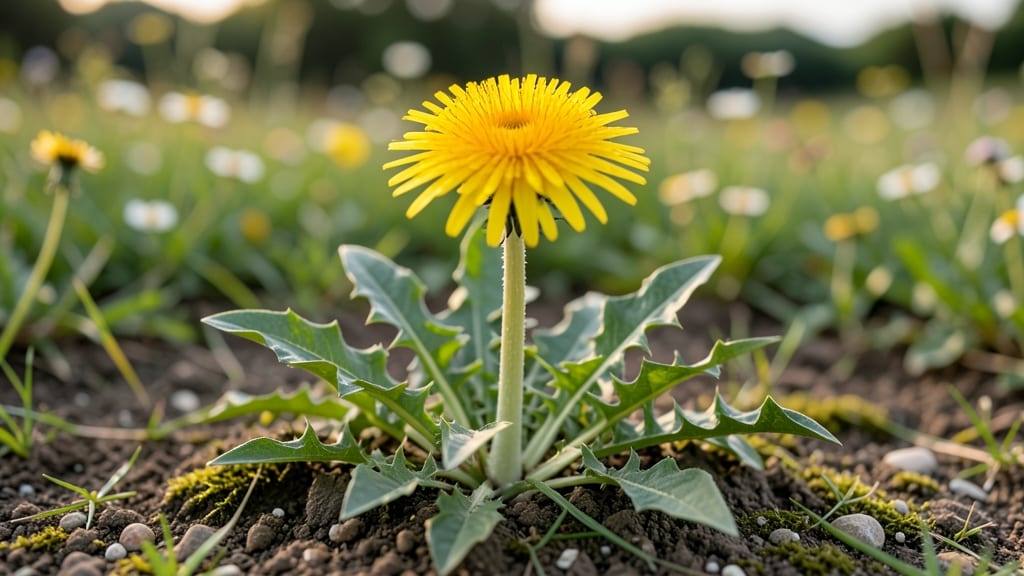
That tiny yellow flower popping up in your lawn isn't just an eyesore—it's likely lesser celandine, a stubborn weed that spreads fast if ignored. 🌱 I've battled these bright yellow blooms for years, and I'll show you how to identify them quickly and stop their spread without harsh chemicals.
The key is acting early—these weeds thrive in moist, shady spots, so they often appear right after winter rains. You'll need a sharp eye to spot the difference between them and dandelions (celandine has heart-shaped leaves, not the jagged dandelion variety), and a plan to pull them before they seed.
With the right tools and timing, you can eliminate them in 3-4 weeks—no more yellow blooms ruining your lawn's clean look. I'll walk you through manual removal, natural sprays, and long-term prevention so this weed never comes back.
Manual removal works best in early spring before the flowers appear. Grab a weeding tool or even a butter knife, dig deep to get the entire root (celandine roots fragment easily), and dispose of them in the trash—not your compost.
For larger patches, vinegar-based sprays or boiling water can help, but timing matters—apply when weeds are actively growing but before they seed.
Prevent regrowth by improving drainage and sunlight in problem areas—celandine hates dry, sunny conditions. Overseed bare spots with grass to outcompete them naturally. If you're dealing with a massive infestation or persistent patches, it might be time to call in a lawn care pro for targeted treatment.
This weed might seem harmless, but left unchecked, it can take over shady lawn areas in just one season. The good news? With these organic methods, you can reclaim your lawn fast—no chemicals required. Let's get those yellow blooms gone for good.
How Unwanted Flowers Take Root
Those cheerful but pesky tiny yellow blooms popping up in your lawn aren’t just a random nuisance—they’re the result of specific conditions that give them the upper hand. Understanding why these weeds thrive is the first step to reclaiming your grass. Let’s break down the science behind their persistence.
Weeds like microseris (commonly known as tiny yellow-flowered weeds) often invade lawns because the soil lacks the balance needed for healthy grass. Here’s why:
- Compacted Soil: Heavy foot traffic, machinery, or clay-heavy soil compresses the ground, restricting water and nutrient flow to grass roots. Weeds, with their shallow but aggressive root systems, exploit these gaps.
- Low Organic Matter: Grass thrives in soil rich in decomposed plant material (organic matter), which retains moisture and nutrients. If your soil is sandy or depleted, weeds fill the void.
- Improper pH Levels: Grass prefers a pH between 6.0–7.0. If your soil is too acidic (<5.5) or alkaline (>7.5), grass struggles, while weeds—often more pH-tolerant—take over.
Actionable Fix: Test your soil’s pH and organic content with a DIY kit (available at garden centers). Amend compacted soil with compost or sand, and adjust pH with lime (for acidity) or sulfur (for alkalinity).
Lawns are living ecosystems, and light plays a critical role. Weeds like tiny yellow-flowered species often dominate in these scenarios:
- Overgrown Grass: Tall grass blocks sunlight from reaching the soil, creating a shaded microclimate where weeds germinate. These weeds often have smaller, faster-growing leaves that can photosynthesize efficiently in low light.
- Thin or Patchy Lawns: Bare spots or sparse grass allow weeds to establish roots before grass can fill the gaps. Even a 10% reduction in grass coverage can trigger a weed explosion.
- Newly Sodded Areas: Fresh sod takes time to root and spread. During this window, weeds seize the opportunity to sprout and spread seeds before grass can outcompete them.
Actionable Fix:
- Mow grass at the highest recommended height for your type (usually 2.5–4 inches) to encourage dense growth.
- Fill bare spots with grass seed or a temporary cover crop like clover to block weed sunlight.
- Consider shade-tolerant grass varieties (e.g., fine fescue) if your lawn has persistent shade issues.
Water is the lifeblood of any lawn—but inconsistent or excessive watering can turn your yard into a weed buffet. Here’s how:
| Watering Issue | How It Helps Weeds |
|---|---|
| Infrequent, Deep Watering | Grass roots shallow out to chase moisture, weakening its competitive edge. Weeds with deep or widespread roots (like some yellow-flowered species) thrive. |
| Overwatering | Soggy soil suffocates grass roots while creating ideal conditions for weed seeds to germinate and spread. |
| Uneven Water Distribution | Dry patches leave gaps where weeds sprout, while overwatered areas promote mold and weed dominance. |
Actionable Fix:
- Water deeply but infrequently (1–1.5 inches per week, including rain) to encourage deep grass roots.
- Use a sprinkler timer or drip irrigation to ensure even coverage.
- Water early in the morning (4–8 AM) to reduce evaporation and fungal growth.
Even the healthiest lawns can fall prey to weeds if maintenance is neglected. These oversights create opportunities for tiny yellow-flowered weeds to move in:
- Lack of Fertilization: Grass needs nitrogen, phosphorus, and potassium to outcompete weeds. Skipping fertilizer leaves it weak and vulnerable.
- Delayed Weed Control: Pulling or treating weeds after they’ve seeded means next year’s infestation is already in the soil.
- Improper Mowing: Cutting grass too short stresses it, while leaving clippings too long can smother the lawn and trap moisture (a weed magnet).
Actionable Fix:
- Apply a slow-release, balanced fertilizer (e.g., 10-10-10) in early spring and fall.
- Pull weeds before they flower to prevent seed spread. For stubborn patches, use a vinegar-based herbicide (targeted to avoid killing grass).
- Mow at the right height and never remove more than 1/3 of the blade at once.
Tiny yellow-flowered weeds often surge during specific times of year, thanks to environmental cues:
- Spring and Fall: Cool, moist conditions trigger germination for many weed seeds. If your lawn is stressed (e.g., from winter dormancy), weeds move in quickly.
- Drought Followed by Rain: Dry spells weaken grass, while sudden rain activates dormant weed seeds in the soil.
- Warm Seasons: Some yellow-flowered weeds (like microseris) thrive in summer heat, especially if grass is water-stressed.
Actionable Fix:
- Apply pre-emergent herbicide in early spring (before weeds sprout) to block germination.
- Monitor lawn health during transition seasons (spring/fall) and adjust watering/fertilizing as needed.
- Mulch grass clippings to return nutrients to the soil and suppress weeds.
How to Fix Tiny Yellow Blooms
Tiny yellow-flowered weeds popping up in your lawn can feel like an unwelcome surprise, but the good news? You can tackle them effectively—without harsh chemicals. Below, we’ve mapped out practical, organic solutions based on the most common causes of these pesky intruders.
Each fix is designed to be easy, budget-friendly, and eco-conscious, so you can reclaim your lawn without compromising its health.
If your lawn stays soggy or gets waterlogged, yellow-flowered weeds like dandelions or chickweed thrive in damp conditions. Here’s how to dry things out and discourage them:
- 🔥 Improve Drainage Test your soil’s drainage by digging a small hole (6 inches deep) and filling it with water. If it takes more than 6 hours to drain, your lawn has poor drainage.
Fix it by: - Adding sand or compost to heavy clay soil (mix in a 1:1 ratio with topsoil). - Aerating your lawn in early fall or spring to create air pockets for water to escape. - Avoiding overwatering—water deeply 1-2 times per week (early morning is best) instead of daily light sprinkles.
- 👨🍳 Boost Soil Health Weeds love compacted, nutrient-poor soil.
Revitalize it with: - A thin layer of compost (¼ inch) spread over the lawn, followed by light raking. - Organic mulch around garden edges to prevent weed seeds from germinating. - Cover crops like clover in bare spots to outcompete weeds naturally.
- ⏰ Prevention Tip: 💡 Mow high (3-4 inches)—taller grass shades out weed seeds before they sprout. Use a sharp mower blade to avoid tearing grass, which invites weeds.
Weeds like prostrate spurge or henbit often appear when grass struggles in intense heat or full sun. Adjust your lawn’s environment to crowd them out:
- 🍳 Add Shade Strategically If your lawn gets 6+ hours of direct sun, consider:
- Planting fast-growing shade trees (like silver maple) or shrubs (e.g., arborvitae) on the sunny side.
- Installing perennial ground covers (e.g., creeping thyme) in high-sun areas to block weed seeds.
- Using lattice or shade cloth temporarily if trees aren’t an option.
- 🥘 Water Smartly
- Morning watering (before 10 AM) reduces evaporation and fungal risks.
- Use a rain gauge to ensure you’re not over- or under-watering (1 inch per week is ideal).
- Soaker hoses or drip irrigation deliver water directly to roots, wasting less.
- 🎯 Prevention Tip: ✨ Test your soil’s pH—yellow-flowered weeds often take hold in alkaline soil (pH > 7.0). Lower it naturally with pine needles, coffee grounds, or sulfur (follow package rates).
Weeds like dandelions or plantain exploit thin grass or compacted soil. Rebuild your lawn’s resilience with these steps:
- 🔪 Core Aeration + Overseeding Rent a core aerator (or hire a pro) to pull out soil plugs, then:
- Spread high-quality grass seed (choose a mix for your climate, e.g., Kentucky bluegrass for cool zones).
- Top with a thin layer of peat moss or compost to retain moisture.
- Keep the area lightly moist for 3-4 weeks until new grass sprouts.
- 💪 Strengthen Existing Grass
- Fertilize in early fall with slow-release organic fertilizer (e.g., composted manure or alfalfa meal).
- Hand-pull weeds when soil is moist (grasp the root to prevent regrowth).
- Use a weed torch (for small patches) on dry, wind-free days—only if no organic alternatives work.
- 🔥 Prevention Tip: 🌡️ Walk on wood chips or stepping stones to avoid compacting soil further. If you have kids/pets, designate a play area with mulch or artificial turf.
For stubborn yellow-flowered weeds, try these targeted organic methods:
| Weed Type | Best Organic Fix | How to Apply |
|---|---|---|
| Dandelions | Vinegar + Soap (3:1 ratio) | Spray directly on leaves (avoid grass). Reapply after rain. |
| Chickweed | Corn Gluten Meal (pre-emergent) | Spread 20 lbs per 1,000 sq ft in early spring. |
| Henbit/Prostrate Spurge | Boiling Water (for small patches) | Pour slowly on weeds (test on a hidden spot first). |
| Clover (if unwanted) | Hand-Pull + Re-seed | Pull when soil is damp; replace with grass seed. |
- ⏰ Prevention Tip: 💡 Mulch heavily (3-4 inches of straw or wood chips) in garden beds to block sunlight and smother weed seeds.
To keep yellow-flowered weeds at bay, adopt this simple monthly schedule:
| Month | Task | Why It Works |
|---|---|---|
| Spring | Aerate + Overseed | Fills bare spots before weeds germinate. |
| Early Summer | Mow High (3-4 inches) | Shades out weed seeds. |
| Fall | Fertilize + Top-Dress with Compost | Strengthens grass roots. |
| Winter | Leaf Cleanup (if heavy) | Prevents smothering grass in spring. |
Final Pro Tip: 🎯 The key to beating these weeds is consistency. Combine one fix from each category (drainage, shade, soil health) for a weed-resistant lawn in 3-6 months. Once your grass is thick and happy, those tiny yellow blooms won’t stand a chance!
Frequently asked questions
What's the difference between tiny yellow-flowered weeds and dandelions?
Dandelions have jagged, toothed leaves and a hollow stem, while many tiny yellow-flowered weeds like lesser celandine have heart-shaped leaves and a solid stem. Another key difference: dandelions bloom later in spring/summer, while celandine appears much earlier (often in late winter). Check the leaf shape first!
Are these yellow flowers harmful to my lawn or pets?
Most common yellow-flowered weeds like lesser celandine and microseris are non-toxic to pets and won't harm your lawn directly, but they compete with grass for nutrients and water. Some weeds (like bittercress) can be mildly irritating if eaten in large quantities, so it's best to remove them regardless of toxicity concerns.
Why do these weeds keep coming back after I pull them?
Yellow-flowered weeds often regrow because their roots fragment easily when pulled - even small pieces left in the soil can sprout new plants. Use a weeding tool to dig deep and remove the entire root system. For stubborn patches, apply corn gluten meal (a natural pre-emergent) in early spring to prevent new seeds from germinating.
Can I use vinegar to kill these weeds without harming my grass?
Yes, but with caution! Use a 3:1 vinegar-to-water ratio with a few drops of dish soap as a surfactant. Apply only to the weeds (not grass) on a dry, sunny day. For best results, treat in late afternoon when grass has had time to recover from morning stress. Test on a small area first to ensure your grass can tolerate it.
When is the best time of year to treat these weeds?
Early spring (before flowers appear) is ideal for prevention, while late fall works well for control. These weeds thrive in cool, moist conditions, so focus on treatment during these transition seasons when grass is actively growing but weeds haven't yet seeded. Avoid treating during drought or extreme heat when grass is stressed.