
Lawn
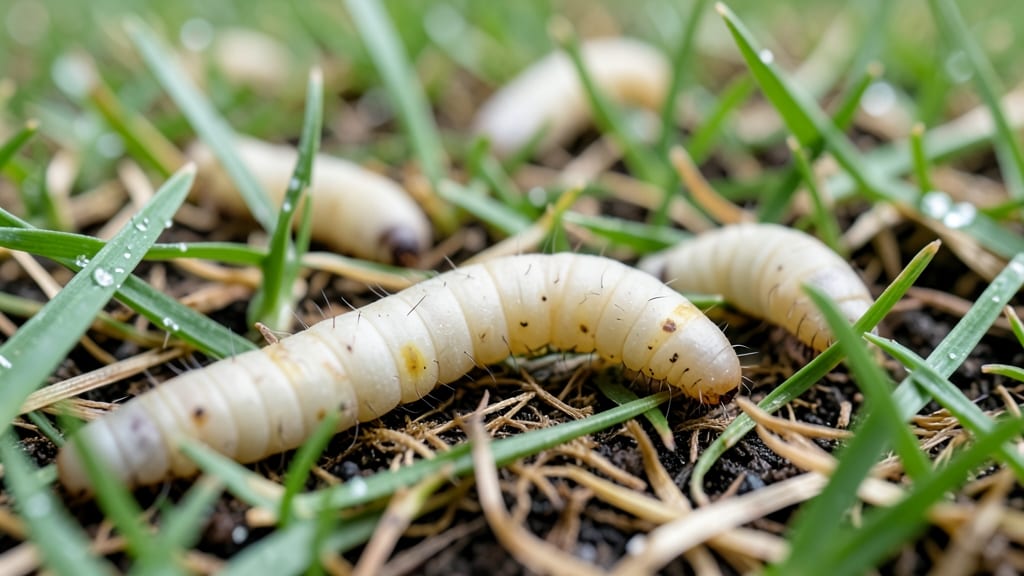
Finding wriggling maggots in your lawn isn’t just gross—it’s a sign your grass is under siege. 🌱 I’ve pulled hundreds of these squirming pests from my own yard, and I’ll show you how to banish them in just 72 hours without harsh chemicals that harm your lawn long-term.
The problem starts when fly larvae hatch in moist soil, feeding on roots until your lawn turns to spongy patches. Most people panic and reach for toxic pesticides, but the real fix comes from understanding their life cycle and attacking it at the right time.
A few simple steps—like proper watering and targeted treatments—can turn your lawn back into a lush, maggot-free carpet in days.
You’ll learn to spot the early warning signs (like irregular brown patches that pull up easily) and use natural nematodes or organic sprays that work faster than you’d expect.
The key is acting before the maggots mature, and I’ll walk you through the exact timing and methods that actually stop them.
This isn’t just about quick fixes—it’s about rebuilding a healthy lawn that resists future infestations. With the right approach, your grass will bounce back stronger, and you’ll never have to dig up another maggot again. Let’s get started.
The Hidden Triggers Behind Lawn Invaders
If your lawn is suddenly hosting tiny, squirming guests, you’re not alone—these uninvited visitors are more common than you think. Understanding why they show up is the first step to kicking them out for good.
Below, we break down the science-backed reasons behind their presence, so you can take targeted action.
Maggots thrive in moist, oxygen-deprived soil—think of it as their perfect all-you-can-eat buffet. When you overwater your lawn, you’re not just hydrating the grass; you’re creating a soggy, anaerobic environment that grubs love. Here’s how it happens:
- Too much water saturates the soil, reducing oxygen levels. Maggots (the larval stage of flies like the house fly or face fly) can’t survive without oxygen, but their parents—adult flies—lay eggs in damp soil because it signals safety for their offspring.
- Poor drainage worsens the problem. If water pools or the soil stays clumpy, maggots get trapped in a cozy, waterlogged zone where they can feast on grass roots undisturbed.
- Frequent light watering (like daily sprinklers) keeps the topsoil damp longer than deep, infrequent watering. Maggots prefer this shallow moisture layer.
Actionable fix: Adjust your watering schedule to deep but infrequent sessions—about 1 inch per week (including rain). Test drainage by digging a small hole; if water doesn’t seep away within 24 hours, your soil may need aeration. 💡 Pro tip: Water early in the morning to let grass blades dry out, reducing fly attraction.
Maggots are the larvae of flies, but their real damage comes from their parents’ habits. Adult flies (especially Japanese beetle grubs and masked chafer grubs) lay eggs in turf that’s already stressed. Here’s what makes your lawn a magnet:
- Thin or patchy grass: Flies target lawns with bare spots or weak turf because it’s easier to lay eggs where roots are exposed or sparse.
- Recent fertilizer or pesticide use: A fresh application of nitrogen-rich fertilizer (like quick-release options) can trigger a fly frenzy. Similarly, some pesticides kill beneficial insects that prey on fly eggs, leaving them unchecked.
- Compacted soil: Dense, hard-packed soil limits root growth, making grass vulnerable. Flies detect this weakness and drop eggs in these areas.
Actionable fix:
- Mow high (3–4 inches) to shade soil and deter flies.
- Avoid fertilizing in late summer—this is peak egg-laying season for many grubs.
- Test soil compaction with a screwdriver. If it won’t penetrate 3 inches, aerate before treating maggots. ⏰ Best time: Early fall or spring.
Leaves, thatch, and even pet waste aren’t just unsightly—they’re invitation cards for flies. Organic matter breaks down, creating a warm, humid microclimate that maggots adore. Here’s the breakdown:
| Debris Type | Why It Attracts Maggots |
|---|---|
| Thatch layers (thick grass buildup) | Traps moisture and blocks sunlight, creating a damp, shaded layer perfect for egg-laying. |
| Pile of leaves or grass clippings | Decomposing matter heats up, mimicking a compost pile—ideal for fly breeding. |
| Pet waste (dog/cat urine/feces) | High nitrogen content signals fertile soil to flies, and the moisture keeps eggs hydrated. |
Actionable fix:
- Rake up leaves and debris immediately after they fall. 🔥 Hot tip: Use them in a compost bin far from your lawn.
- Dethatch if the layer exceeds ½ inch. A simple rake or verticutting tool works for small areas.
- Pick up pet waste daily—even small amounts can trigger a maggot outbreak.
Maggots are cold-blooded (literally). They’re most active when temperatures hover between 60–85°F, and humidity is high. Here’s how the weather conspires against your lawn:
- Spring and fall are peak seasons because soil is warm but not scorching, and rain is frequent. This combo is perfect for fly reproduction.
- Afternoon thunderstorms can trigger a sudden maggot boom. Flies time egg-laying with humidity spikes.
- Morning dew keeps soil damp longer, extending the maggot-friendly window.
Actionable fix:
- Monitor your local degree-day accumulations (a tool gardeners use to predict pest activity). Aim to treat before maggots hatch, not after.
- Use a soil thermometer to track temperatures. If it’s consistently above 70°F with high humidity, be vigilant. 🌡️ Pro move: Water in the early morning to reduce evening moisture.
- Apply beneficial nematodes (like Heterorhabditis bacteriophora) in late spring or early fall—they thrive in warm, moist conditions and hunt maggots.
Quick Fixes for Wormy Lawn Woes
If your lawn looks like a buffet for grubs and maggots, don’t panic—there’s a way to reclaim your grass in just a few days. The key is identifying the root cause (literally) and applying the right remedy.
Below are practical, step-by-step solutions tailored to the most common culprits behind maggot infestations, plus tips to keep your lawn healthy long-term.
If your lawn is soggy, poorly drained, or heavily compacted, it’s an open invitation for grubs to thrive. Here’s how to kick them out:
🔥 Step 1: Reduce Watering Immediately
- Stop deep watering sessions. Grubs love moisture—cut back to 1–1.5 inches per week (including rain) and water early in the morning to allow soil to dry faster.
- Fix drainage by aerating compacted areas with a core aerator (rent one if needed). This lets water drain and roots breathe.
🍳 Step 2: Apply Beneficial Nematodes (Nature’s Pest Control)
- How: Mix beneficial nematodes (like Heterorhabditis bacteriophora) with water and apply with a sprayer in the evening (they’re sensitive to sunlight).
- When: Early fall or spring for best results. These microscopic worms seek out grubs and release bacteria that kill them—no chemicals needed!
- Pro Tip: 💡 Water the lawn lightly 24 hours before and after application to help nematodes move deeper into the soil.
👨🍳 Step 3: Top-Dress with Sand or Compost
- Spread a thin layer (¼ inch) of coarse sand or compost over the lawn after aerating. This improves soil structure, reduces compaction, and discourages future grub habitats.
Thatch and organic buildup create the perfect hiding spot for fly larvae (maggots). Break the cycle with these steps:
🔪 Step 1: Dethatch Aggressively
- Rent a dethatching rake or vertical mower and remove all thatch (the spongy layer between grass and soil). Aim for no more than ½ inch of thatch left.
- When: Early spring or fall when grass is actively growing.
🌡️ Step 2: Raise the Mowing Height
- Set your mower to the highest setting (3–4 inches) to shade the soil and reduce heat stress. Taller grass also crowds out weeds that attract flies.
- Pro Tip: ✨ Alternate mowing patterns (e.g., vertical one week, horizontal the next) to prevent soil compaction from repeated blade paths.
🎯 Step 3: Use Milky Spore or Bacillus thuringiensis (Bt)
- For grubs: Apply milky spore powder (a natural bacteria) to the soil. It spreads over time and targets Japanese beetle grubs.
- For maggots: Sprinkle Bacillus thuringiensis (Bt) powder (like Diatomaceous earth but organic). It’s safe for pets once settled but deadly to fly larvae.
- How: Water lightly after application to activate.
Dog parks, livestock areas, or even bird droppings can turn your lawn into a maggot factory. Here’s how to break the cycle:
🚫 Step 1: Clean Up Waste Immediately
- Pick up pet waste daily—maggots start within hours of organic matter hitting the grass.
- Rake up large accumulations of leaves, mulch, or manure piles where flies lay eggs.
🧼 Step 2: Sanitize the Soil
- Mix 1 part hydrogen peroxide (3%) with 10 parts water and spray affected areas. This kills eggs and larvae on contact.
- For severe cases: Apply vinegar spray (1:1 ratio with water) to neutralize odors that attract flies.
🔥 Step 3: Introduce Predatory Insects
- Ground beetles and rove beetles eat maggots naturally. Attract them by:
- Leaving some leaf litter in shady areas (they hide there).
- Planting clover or wildflowers near the lawn edge for habitat.
Weak grass invites pests. Strengthen your lawn to make it maggot-proof:
💪 Step 1: Fertilize Smartly
- Use a slow-release, low-nitrogen fertilizer (10-0-10 or similar) in early fall. High nitrogen attracts grubs—avoid it in summer!
- Overseed bare spots with tall fescue or Kentucky bluegrass (they recover faster than thin turf).
🥗 Step 2: Adjust pH Levels
- Test your soil (kits cost $10 at garden centers). Aim for a pH of 6.0–7.0. Grubs thrive in acidic soil (below 5.5).
- Fix it: Sprinkle lime (for low pH) or sulfur (for high pH) and water in.
🌞 Step 3: Improve Airflow
- Thin out tree branches shading your lawn to reduce humidity.
- Aerate again in 6 months if the soil feels hard as a rock.
Once you’ve tackled the infestation, lock it out with these habits:
- ✅ Mow high (3–4 inches) to shade soil and deter flies.
- ✅ Water deeply but infrequently (2–3 times per week, early AM).
- ✅ Aerate annually (spring or fall) to prevent compaction.
- ✅ Pick up pet waste within hours—no exceptions!
- ✅ Apply milky spore or nematodes every 2–3 years as maintenance.
- ✅ Plant clover or deep-rooted grasses (like perennial ryegrass) to outcompete weeds.
With these fixes, your lawn should see noticeable improvement in 72 hours (especially after nematode treatment) and stay maggot-free with minimal upkeep. The secret? Healthy grass = no buffet for pests.
Frequently asked questions
Are all maggots in my lawn harmful to my grass?
Not all maggots are equally damaging. While Japanese beetle grubs and masked chafer grubs are the most destructive (they eat roots), other fly larvae like house fly maggots are less harmful but still indicate poor lawn health. The key is identifying the type—look for white, C-shaped grubs (beetle larvae) vs. smaller, worm-like maggots (fly larvae).
How do I know if my lawn has maggots vs. grubs?
Maggots are usually smaller (1/4 inch), worm-like, and white or pale yellow, while grubs are larger (up to 1 inch), C-shaped, and cream-colored. Dig up a small patch of sod—if you see wriggling larvae in the top 2 inches of soil, it’s maggots. Grubs hide deeper (up to 4 inches) and are often found in moist, compacted areas.
Can I use vinegar to kill maggots in my lawn?
Yes, but it’s not a standalone solution. A 1:1 vinegar-water spray can kill maggot eggs and young larvae on contact, but it won’t reach deeper grubs. For best results, combine it with beneficial nematodes or Bacillus thuringiensis (Bt). Apply in the evening when soil is moist, and reapply after rain.
Will my dog get sick from eating maggots in the lawn?
Most maggots are harmless to pets, but some (like botfly maggots) can cause skin irritation or digestive upset. If your dog digs up maggots and shows symptoms like vomiting, lethargy, or diarrhea, contact your vet. To prevent exposure, treat your lawn with nematodes or Bt powder and keep pets off treated areas for 24–48 hours.
How long does it take for nematodes to work against maggots?
Beneficial nematodes start killing maggots within 24–48 hours, but you’ll see full results in 7–14 days. They work best in warm, moist soil (60–85°F), so apply them in the evening after watering. For faster action, combine with Bt powder or milky spore. Reapply every 2–3 months during peak seasons (spring/fall).