
Landscaping
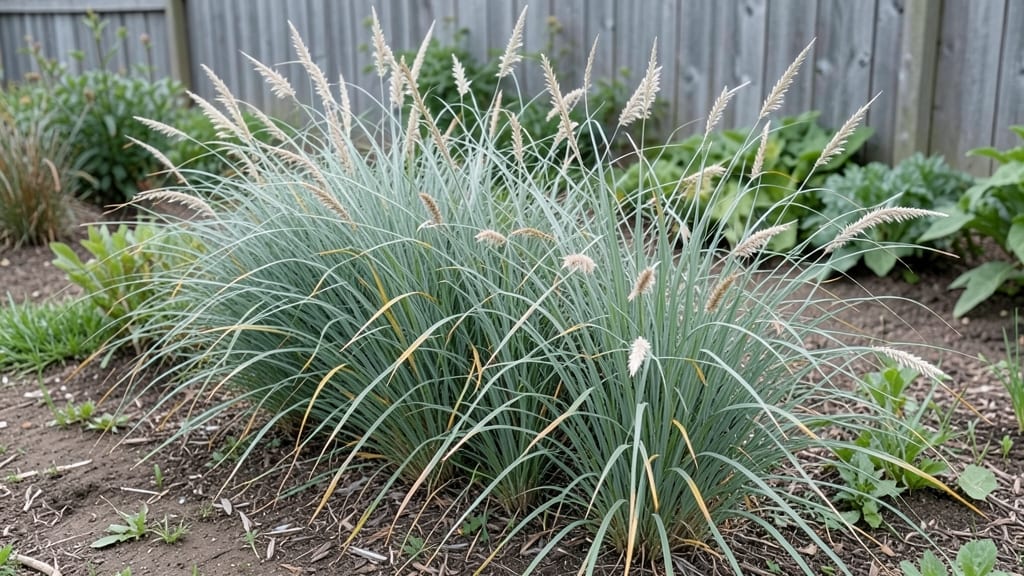
A maiden grass hedge creates effortless privacy with year-round beauty—no shears required.
Tired of high-maintenance hedges that demand constant pruning and still leave gaps? Maiden grass 🌿 offers lush, natural privacy with minimal effort—perfect for busy homeowners who love low-maintenance landscaping.
Unlike traditional hedges, this ornamental grass thrives on neglect, delivering seasonal interest from spring’s fresh shoots to winter’s frost-kissed plumes. With the right spacing and a little upfront care, you’ll have a hedge that looks polished without the work.
Here’s how to plant, shape, and pair it with complementary plants for a hedge that’s as stunning as it is simple.
How to plant and establish a low-maintenance maiden grass hedge
Maiden grass (Miscanthus sinensis) transforms any yard into a serene, natural privacy screen with minimal effort. Unlike traditional hedges, it thrives with little pruning and delivers year-round interest—from golden plumes in fall to soft foliage in winter.
The key to a lush, dense hedge starts with proper planting techniques and early care, which I’ll walk you through step-by-step.
This ornamental grass adapts beautifully to USDA zones 5-9, making it perfect for most U.S. climates. Whether you’re replacing a high-maintenance hedge or adding texture to your landscape, maiden grass delivers privacy without the upkeep.
Let’s dive into the essential steps to establish a thriving hedge that requires only occasional attention.
Step-by-Step Planting Guide
-
Step 1: Choose the Right Location
Select a spot with full sun to partial shade (6+ hours of sunlight daily). Maiden grass tolerates drought once established but grows best with well-draining soil. Avoid low-lying areas where water pools.
-
Step 2: Prepare the Soil
Test your soil’s drainage and pH (ideal pH: 5.5-7.0). Amend heavy clay with compost or sand to improve aeration. For sandy soil, mix in organic matter like peat moss to retain moisture.
-
Step 3: Plant at the Right Time
Plant in early spring (March-April) after the last frost when soil temps reach 50°F+. For warmer climates, fall planting (September) also works. Space plants 3-5 feet apart for a dense hedge (closer spacing = thicker growth).
-
Step 4: Dig and Plant
Dig holes twice as wide as the root ball but no deeper. Gently remove plants from containers, loosen roots, and place them in holes. Backfill with native soil, tamping lightly to remove air pockets. Water thoroughly to settle the soil.
-
Step 5: Water Deeply
Water deeply 2-3 times per week for the first month to encourage root growth. After establishment (6-12 months), reduce to weekly deep watering in summer and bi-weekly in fall/winter. Avoid overhead watering to prevent fungal issues.
-
Step 6: Mulch and Fertilize
Apply 2-3 inches of mulch (wood chips or straw) around plants to retain moisture and suppress weeds. Fertilize once in spring with a balanced 10-10-10 fertilizer (½ cup per 10 sq ft). Avoid heavy feeding—maiden grass prefers low-nutrient soil.
After planting, your maiden grass hedge will grow 1-2 feet in its first year and reach mature height (4-6 feet) by year three. The secret to its low-maintenance appeal lies in proper spacing and soil prep—these steps ensure dense growth with minimal gaps.
Once established, you’ll only need to prune once or twice per year to maintain shape.
For year-round coverage, pair maiden grass with evergreen shrubs like boxwood or holly for winter interest. The combination creates a natural, layered hedge that blocks wind and noise while adding texture. Just avoid planting near aggressive spreaders like bamboo, which can outcompete your maiden grass.
One common mistake is overwatering maiden grass after establishment. While it loves moisture early on, mature plants are drought-tolerant. Stick to deep, infrequent watering to encourage deep root growth.
If your hedge looks leggy, it’s a sign of too much shade or underfertilization—simply move it to sunnier conditions or add a light spring feed.
By following these steps, your maiden grass hedge will become a low-effort privacy solution that thrives with minimal intervention. The best part? Unlike traditional hedges, it never needs shearing—just occasional trimming to shape.
In just a few years, you’ll have a lush, wind-resistant screen that’s as beautiful as it is practical.
Ready to transform your yard? Grab your gloves, and let’s get planting—your future self will thank you for the hassle-free privacy! 🌿
Maiden grass hedge vs. traditional hedging plants: privacy benefits compared
When choosing a hedge for privacy, most homeowners default to evergreen shrubs like privet or arborvitae. But maiden grass hedges (Miscanthus sinensis) offer a stunning, low-maintenance alternative that delivers year-round interest without the pruning demands.
Let’s compare how maiden grass stacks up against traditional hedging plants in key areas like privacy effectiveness, seasonal appeal, and long-term care costs.
Traditional hedges like boxwood and privet provide dense, evergreen coverage but require yearly shearing to maintain shape. Maiden grass, on the other hand, grows in clumping formations with arching plumes, creating natural privacy that’s easier to maintain.
Its tall, upright growth (reaching 4–6 feet) rivals arborvitae, but with far less upkeep.
| Feature | Maiden Grass Hedge | Privet Hedge | Boxwood Hedge | Arborvitae Hedge |
|---|---|---|---|---|
| Privacy Effectiveness | Excellent (4-6 ft tall) | Good (3-5 ft tall) | Good (2-4 ft tall) | Excellent (10-15 ft tall) |
| Seasonal Interest | Year-round (plumes winter interest) | Evergreen (no seasonal change) | Evergreen (limited color variation) | Evergreen (some seasonal color shifts) |
| Pruning Needs | Minimal (cut back in spring) | High (2-3x/year) | High (year-round shaping) | Moderate (1-2x/year) |
| Wildlife Support | High (birds, butterflies) | Low (minimal habitat) | Moderate (some insects) | Moderate (birds nest) |
| Long-Term Cost | Low (no fertilizers/pruners) | High (fertilizer, pruning) | High (pruning tools, shaping) | Moderate (minimal pruning) |
One of maiden grass’s biggest advantages is its year-round visual appeal. While privet and boxwood remain green but unchanging, maiden grass offers seasonal color shifts—from golden plumes in fall to silver-white winter interest.
This makes it a standout feature in any landscape, even when other hedges fade into the background.
The wildlife benefits of maiden grass are another win for eco-conscious gardeners. Its seed heads attract birds, and its clumping habit provides shelter for beneficial insects.
Traditional hedges like privet offer little habitat value, while arborvitae supports only basic nesting. For pollinator-friendly gardens, maiden grass is a clear choice.
If low maintenance is your priority, maiden grass hedges require almost no pruning compared to boxwood or privet. Simply cut back dead foliage in early spring to encourage fresh growth.
Traditional hedges demand regular shearing to prevent legginess, which adds time and cost over the years. For busy homeowners, this hands-off approach is a game-changer.
For tall privacy screens, consider pairing maiden grass with arborvitae—the grass softens the formal lines of evergreens while adding movement and texture. This combo works beautifully in landscape borders or as a windbreak, offering the best of both worlds: height and seasonal interest without the upkeep.