
Plants
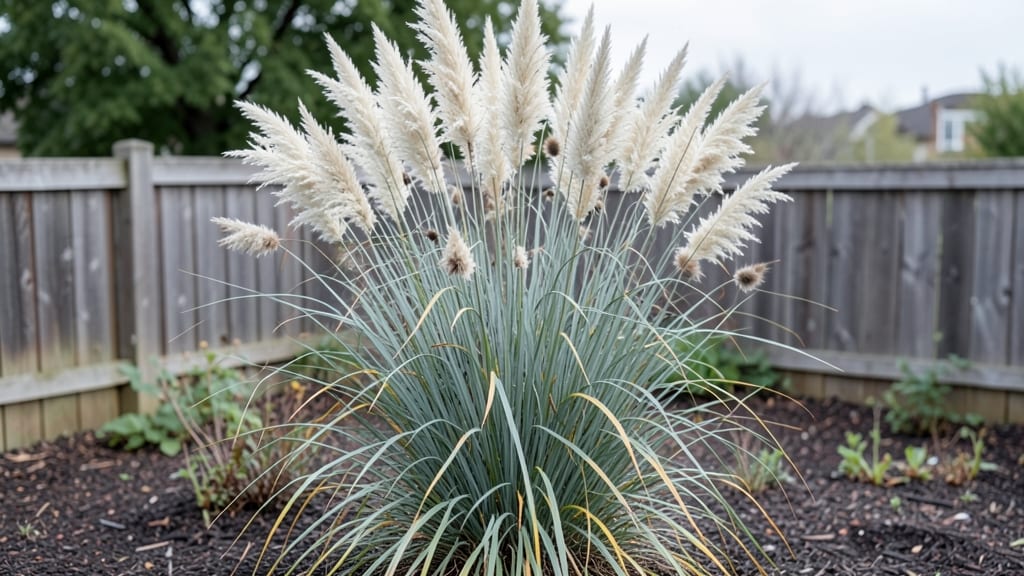
Ornamental pampas grass transforms any yard into a breezy, textured masterpiece with its towering silvery plumes that sway dramatically year-round.
If you crave a low-maintenance plant that delivers dramatic flair without the fuss, pampas grass could be your perfect match—its easy-care nature and striking height make it ideal for modern landscapes. 🌿 Unlike fussy perennials, it thrives on neglect once established, yet still steals the show with its architectural presence.
Thought you needed a green thumb to grow something this stunning? Not with pampas grass. It handles full sun like a champ and even tolerates drought once its roots take hold, making it a top pick for busy gardeners or those in USDA Zone 6a and warmer.
Below, I’ll walk you through everything from planting in spring or fall to minimal pruning tricks that keep it looking sharp with almost no effort—plus how to avoid the one mistake that kills it.
Why pampas grass stands out among ornamental grasses
When it comes to ornamental grasses, pampas grass (Cortaderia selloana) steals the show with its dramatic plumes and year-round structure. Unlike delicate annuals, this perennial powerhouse thrives in hot, dry climates while demanding minimal care—making it a favorite for modern landscapes.
Its architectural appeal and wildlife-friendly qualities set it apart from other grasses like maiden grass or fountain grass.
Unlike maiden grass (Miscanthus sinensis), which offers lush, feathery plumes but struggles in extreme heat, pampas grass flourishes under the sun. While fountain grass (Pennisetum alopecuroides) provides soft, cascading textures, pampas grass delivers bold, vertical drama that commands attention in any garden.
Its drought tolerance and low-maintenance nature make it ideal for water-conscious gardeners.
What truly sets pampas grass apart is its versatility in design. Whether you're creating a modern privacy screen, a winter interest focal point, or a drought-resistant border, this grass adapts effortlessly.
Plus, its silvery-white plumes attract birds and butterflies, adding ecological value to your landscape while keeping maintenance simple.
Let’s break down how pampas grass compares to other popular ornamental grasses in key categories:
If you’re designing for modern landscapes, pampas grass is a game-changer. Its tall, architectural form creates
How to plant and care for pampas grass with minimal effort
Pampas ornamental grass (Cortaderia selloana) thrives on neglect, making it ideal for busy gardeners who still want dramatic visual impact. With its airy, feathery plumes reaching 6 to 12 feet tall, this drought-tolerant grass adds year-round texture to any landscape.
The key to its success lies in proper planting and understanding its minimal care requirements—especially when to prune and how to handle seasonal changes.
Unlike high-maintenance perennials, pampas grass demands little daily attention once established. It flourishes in USDA zones 7-11, adapting well to coastal climates, desert landscapes, and even urban gardens.
Whether you're planting from bare-root divisions or container-grown specimens, following a few simple steps ensures your pampas grass grows vigorously with minimal effort.
Start by selecting a sun-drenched location with 6+ feet of vertical clearance—pampas grass won’t tolerate shade or cramped spaces. Dig a hole twice as wide as the root ball but only as deep to avoid burying the crown.
Space multiple plants 8-10 feet apart to allow their plumes to spread naturally without overcrowding.
After planting, water deeply once a week for the first month to encourage root establishment. Once mature, pampas grass becomes drought-tolerant, requiring water only during prolonged dry spells.
In hot climates, morning watering prevents fungal issues, while cooler regions may need winter protection if temperatures dip below 20°F.
Pruning pampas grass is simple but strategic. Cut back dead or damaged foliage in early spring before new growth emerges. For neat appearance, trim plumes to half their height after they’ve browned naturally in fall.
Avoid cutting into live green growth, as this can harm the plant. In mild climates, plumes often persist year-round, adding winter interest.
Fertilize lightly in spring with a balanced 10-10-10 formula to support growth, but skip summer feeding—pampas grass prefers low-nutrient conditions. Mulch around the base with wood chips or gravel to suppress weeds and retain moisture.
With these low-effort practices, your pampas grass will reward you with effortless elegance for decades.