
Landscaping
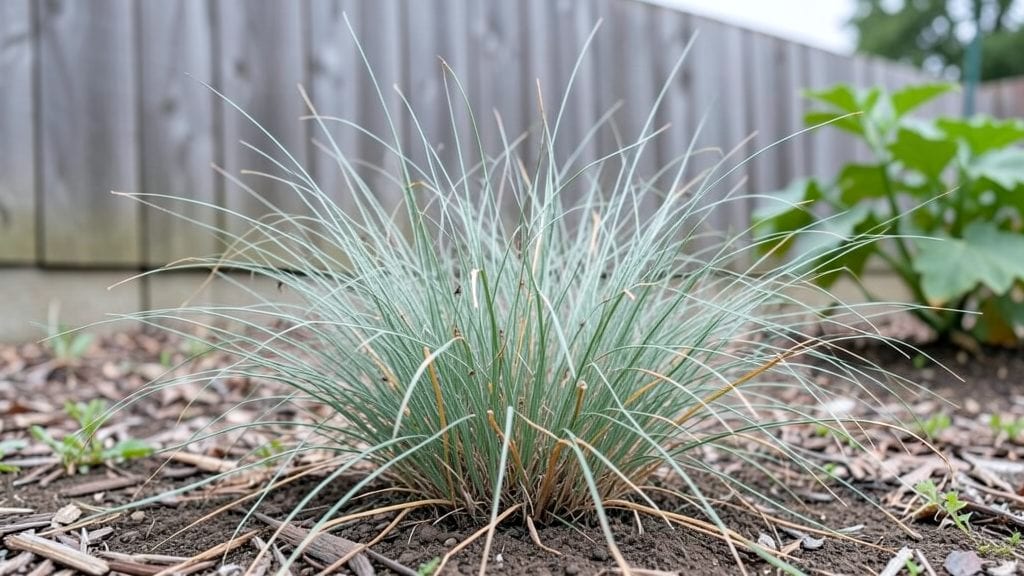
Growing Mexican Feather Grass 🌿 transforms your yard into a silvery-blue dream with almost no effort—this ornamental grass thrives in USDA Zone 6a and beyond, delivering year-round texture without the fuss.
Tired of seasonal color in your yard? This grass delivers silvery-blue plumes that dance in the breeze year-round—with almost no maintenance required. It’s the perfect solution for modern landscapes where beauty meets practicality.
What makes it so special? Unlike high-maintenance plants, Mexican Feather Grass handles drought, heat, and poor soil like a champ. Plant it in late spring (April–May) and watch it grow into a 4- to 6-foot masterpiece with minimal care.
In this guide, you’ll learn how to plant, prune, and keep it looking stunning—plus creative ways to use it in your garden for maximum impact.
Mexican Feather Grass care: drought-proof growing tips for beginners
Mexican Feather Grass (Nassella tenuissima) is the ultimate low-maintenance ornamental grass that thrives in USDA zones 5-10. Whether you're battling drought conditions or poor soil, this silvery-blue beauty adapts effortlessly.
Its airy plumes add texture and movement to any garden, while its drought tolerance makes it perfect for water-wise landscapes. Let’s dive into the essentials for planting, care, and keeping it lush without overwatering.
One of the biggest myths about Mexican Feather Grass is that it requires constant watering. In reality, it’s designed to thrive with minimal moisture, making it ideal for xeriscaping and modern gardens.
However, proper soil preparation and sunlight exposure are critical to prevent brown patches or leggy growth. Below, I’ll break down the must-know care tips to ensure your grass stays vibrant year-round.
| Care Requirement | Specification |
|---|---|
| USDA Hardiness Zones | 5-10 |
| Sunlight Needs | Full sun (6+ hours/day) |
| Watering Frequency | Every 7-14 days (deep soak) |
| Soil Type | Well-draining, sandy, or rocky |
| Mature Height | 4-6 feet |
| Spacing | 12-18 inches apart |
| Fertilizer Needs | None (or light feed in spring) |
| Pruning Time | Late winter/early spring |
Start by choosing the right planting location. Mexican Feather Grass craves full sun—at least 6 hours of direct sunlight daily—to maintain its silvery-blue hue and prevent browning.
In shadier spots, it may grow leggy or lose its signature color. If your yard has partial shade, plant it near the sunniest edge to maximize its potential.
When it comes to soil, this grass is a champion of adaptability. It thrives in sandy, rocky, or well-draining soil, even in areas where other plants struggle. Avoid heavy clay or waterlogged spots, as these can lead to root rot.
If your soil is compacted, mix in sand or gravel to improve drainage. A light layer of mulch (like gravel or pine straw) helps retain moisture while keeping roots cool.
Watering is where Mexican Feather Grass shines. Unlike thirsty annuals, it only needs deep watering every 7-14 days, depending on your climate. Overwatering is the #1 mistake beginners make—it causes yellowing leaves and mushy stems.
Instead, water deeply but infrequently, encouraging roots to grow downward. In summer heat, reduce watering to every 2 weeks unless your area experiences extreme drought.
If your Mexican Feather Grass develops brown patches, don’t panic. This is often a sign of overwatering or fungal issues from poor airflow. To revive it, trim back dead fronds with clean, sharp shears and reduce watering.
If the soil feels soggy, amend it with sand or perlite to improve drainage. For prevention, avoid watering at night and ensure proper spacing (12-18 inches apart) to allow air circulation.
Pruning is effortless with this grass. In late winter or early spring, cut back dead or brown fronds to 2-3 inches above the ground. This encourages new growth and keeps the plant looking tidy.
Avoid pruning in fall, as the grass relies on its dry plumes for winter interest. A light trim in summer can also help control overgrowth, but resist the urge to shear it too short—this grass thrives on its natural, airy form.
One of the biggest misconceptions about Mexican Feather Grass is that it’s invasive. While it spreads via rhizomes, it’s not aggressive like bamboo. To contain it, plant it in containers or use underground barriers if needed.
In landscape beds, its clumping habit makes it easy to manage. If you notice it spreading beyond your desired area, simply dig up and relocate any stray clumps to a new spot.
For extra winter interest, leave the dry plumes intact until spring. They add texture and movement to snowy landscapes and provide winter food for birds. If you prefer a cleaner look, trim them back in early spring just as new growth emerges.
This grass is cold-hardy down to zone 5, so it won’t need winter protection unless you’re in an extremely harsh microclimate with heavy snow.
To maximize its ornamental value, pair Mexican Feather Grass with contrast plants like purple coneflowers, salvia, or yucca. Its silvery-blue plumes complement warm tones (oranges, reds) and deep greens, creating a striking visual impact.
In container gardens, it thrives in terra-cotta pots with succulents or lavender for a Mediterranean vibe. Whether used as a border plant, focal point, or erosion control on slopes, this grass delivers year-round beauty with almost no effort.
How to use Mexican Feather Grass in landscaping: 5 stunning design ideas
Transform your landscape with Mexican Feather Grass (Nassella tenuissima), a versatile plant that thrives in USDA zones 5-10 and adds year-round texture with minimal effort. Its silvery-blue plumes sway elegantly in the breeze, creating movement and visual interest without overwhelming your garden.
Whether you're designing a modern urban space or a rustic countryside retreat, this grass adapts beautifully to various styles.
One of its biggest advantages is its adaptability. It tolerates poor soil, drought conditions, and even salt spray, making it perfect for coastal gardens or urban areas with limited irrigation.
Plus, its low-maintenance nature means you can enjoy its beauty without spending hours on upkeep. Let’s explore five creative ways to incorporate it into your landscape design.
- 1. Border Accents
- 2. Erosion Control
- 3. Container Gardens
- 4. Pollinator Meadows
- 5. Winter Interest Focal Points
For border accents, plant Mexican Feather Grass in clusters of 3-5 plants spaced 18-24 inches apart along pathways or garden edges. Pair it with lavender or yarrow for a soft, textured contrast. Its arching plumes create a natural, flowing edge that softens harsh lines in modern landscapes.
In full sun, it reaches 3-4 feet tall, making it ideal for defining spaces without blocking views.
Use it for erosion control on slopes or hillsides where other plants struggle. Its deep root system stabilizes soil while adding visual appeal. Plant in groups of 5-7 plants every 2 feet along the slope, mixing with creeping thyme or sedum for added ground cover.
This combo prevents soil erosion while creating a low-maintenance, drought-resistant landscape.
Container gardens benefit from its airy texture. Plant 1-2 clumps in 12-inch pots with cactus or succulents for a desert-inspired look. For a coastal vibe, pair it with sea thrift or sand verbena.
Ensure pots have drainage holes and use a well-draining soil mix to prevent root rot. Place containers in full sun for the best plume development.
Create a pollinator-friendly meadow by planting Mexican Feather Grass alongside native wildflowers like black-eyed Susan or purple coneflower. Space plants 24-36 inches apart to allow room for growth and attract bees, butterflies, and birds.
This low-water design thrives in dry conditions and reduces your watering workload while supporting local ecosystems.
Finally, use it as a winter interest focal point. Its silvery-blue plumes remain striking even when other plants fade. Plant 3-5 clumps in a semi-circular arrangement near a seating area or entryway.
Combine with evergreen shrubs like boxwood or holly for year-round structure. This creates a low-maintenance winter garden that adds color and movement to otherwise dormant landscapes.
With these ideas, you can effortlessly integrate Mexican Feather Grass into any landscape while enjoying its drought tolerance, versatility, and year-round beauty. Start small, experiment with combinations, and let this grass take your garden to the next level! 🌿