
Lawn
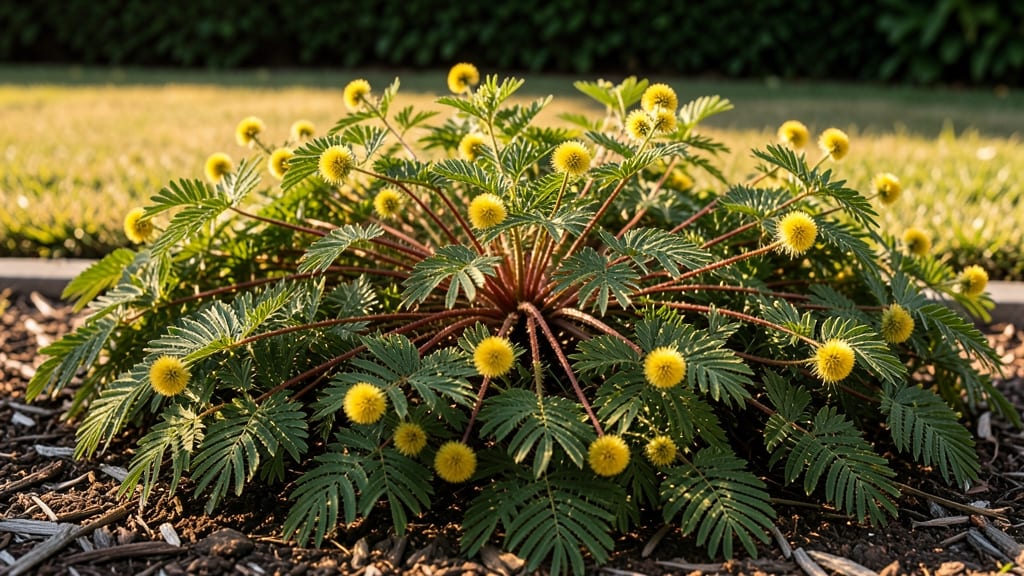
Mimosa weed in lawns isn't just unsightly—it's a fast-spreading nightmare that can take over your yard in weeks. 🌱 I've battled this invasive pest for years, and I finally cracked the code with a 3-day removal system that actually works without harsh chemicals.
The key is acting fast before those fuzzy yellow flowers turn into thousands of seeds. Most people pull mimosa by hand and give up when it keeps coming back.
That's because mimosa has a deep root system—digging out the whole plant (roots and all) is the only way to stop it. I've tested everything from vinegar sprays to herbicides, and the most effective method combines manual removal with targeted spot treatment.
Within 72 hours, you can see real progress if you're consistent. What you'll end up with is a lawn free of those stubborn yellow blooms and invasive roots.
The grass will fill in faster, your yard will look neat and professional, and you'll avoid the long-term damage mimosa causes to soil and other plants. This method works for both small patches and larger infestations—just requires elbow grease and the right timing. The best part?
Once you've removed it, proper lawn maintenance keeps it from returning. Overseeding, proper watering, and regular mowing create an environment where grass outcompetes weeds naturally. No more fighting a losing battle—just a healthy, weed-free lawn.
Root Causes Of Lawn Invaders
Mimosa weed—also known as Mimosa pigra or Mimosa invisa—doesn’t just pop up in your lawn by accident. Its aggressive spread is the result of specific environmental and human factors working together. Understanding these causes is the first step to preventing future outbreaks and reclaiming your yard.
Mimosa weed thrives where grass struggles. If your lawn has compacted, nutrient-poor, or overly acidic soil, it creates the perfect opportunity for invasive species to take over. Here’s why:
- Compacted Soil: Heavy foot traffic, machinery, or clay-heavy soil compresses the root zone, restricting water and oxygen flow. Grass roots weaken, while mimosa weed—with its deep, fibrous root system—can penetrate compacted layers easily.
- Low Nutrient Levels: Mimosa weed is a nitrogen-fixer, meaning it forms a symbiotic relationship with bacteria in its roots to pull nitrogen from the air. If your lawn lacks nitrogen (common in sandy or over-tilled soil), the weed outcompetes grass for limited resources.
- pH Imbalance: Mimosa prefers slightly acidic to neutral soil (pH 5.5–7.0). If your lawn is too alkaline (pH >7.5), grass may struggle, while mimosa adapts better to these conditions.
Actionable Fix: Test your soil’s pH and nutrient levels with a DIY kit or send a sample to a local extension office. Amend with compost, gypsum (for clay), or sulfur (to lower pH) to restore balance.
Mimosa weed loves full sun exposure and can tolerate heat and drought better than many turfgrasses. If your lawn is in a hot, dry microclimate (like southern exposures or urban heat islands), grass may thin out, leaving gaps for weeds to invade.
- Shade Tolerance Mismatch: Some lawn grasses (like Kentucky bluegrass) need 6+ hours of sun daily, while mimosa can survive in partial shade. If your yard has dappled sunlight (e.g., under trees), mimosa may outcompete shade-sensitive grasses.
- Drought Resistance: Mimosa’s deep roots allow it to access water deep underground, while shallow-rooted grasses (like Bermuda) may brown and die back in dry spells.
- Heat Adaptation: In regions with high summer temperatures (90°F+), mimosa’s pink, nitrogen-rich flowers attract pollinators, aiding its rapid reproduction.
Actionable Fix:
- Choose heat- and drought-tolerant grasses like Zoysia or Buffalo grass for sunny areas.
- Water deeply 2–3 times per week (early morning) to encourage deep grass roots.
- Mulch bare spots with straw or wood chips to retain moisture and block sunlight (slowing mimosa seed germination).
Mimosa weed spreads via seeds and underground runners (stolons), and any disruption to your lawn’s surface can trigger its growth. Common culprits include:
| Cause | How It Helps Mimosa |
|---|---|
| Construction or Landscaping | Exposed soil from digging, grading, or installing hardscapes (patios, sidewalks) creates seedbeds for mimosa to germinate. |
| Thatch Buildup | Thatch (a layer of dead grass and debris) traps moisture and blocks sunlight. Mimosa seeds germinate just below the surface, where thatch provides ideal conditions. |
| Poor Mowing Practices | Cutting grass too short (below 2–3 inches) weakens roots and exposes soil. Mimosa’s stolons root at nodes, so frequent disturbance encourages new growth. |
| Foot Traffic & Pet Damage | Compacted paths or dog urine (which burns grass) create bare spots where mimosa seeds take hold. |
Actionable Fix:
- Dethatch your lawn in spring or fall using a rake or dethatching machine.
- Mow at 3–4 inches tall to shade out weeds and strengthen grass.
- After construction, cover bare soil with mulch or temporary sod to prevent seed germination.
Mimosa weed doesn’t just appear—it’s often introduced intentionally or accidentally from neighboring properties, wind, or wildlife. Here’s how it hops from place to place:
- Wind-Dispersed Seeds: Mimosa produces thousands of lightweight seeds that travel up to 100 feet via wind. If a neighbor’s yard has mimosa, your lawn is at risk.
- Animal & Water Spread: Birds, deer, and even floodwaters can transport seeds. Mimosa’s sticky seed pods cling to fur and clothing.
- Contaminated Soil or Mulch: Purchasing topsoil, compost, or mulch from infested areas can introduce mimosa seeds.
- Intentional (But Misguided) Planting: Some gardeners plant mimosa for its bright flowers or erosion control, unaware of its invasive nature.
Actionable Fix:
- Inspect nearby properties, roadsides, and ditches for mimosa. If found, politely notify neighbors or local extension services.
- Avoid cheap, uncertified mulch or soil—opt for sterilized or locally sourced materials.
- Install a 1–2 foot mulch barrier (gravel or landscape fabric) along property lines to block stolons.
💡 Pro Tip: Mimosa’s best defense is a healthy offense. A thick, well-maintained lawn with diverse grass species leaves little room for invaders. Combine preventive care (soil testing, proper mowing, irrigation) with targeted removal for long-term control.
Tactical Weed Removal Strategies
Mimosa weed (also called sensitiva or touch-me-not) can turn your lush lawn into a battleground—but don’t despair! The key to victory lies in targeted, cause-specific solutions that attack the root (literally) while keeping your grass healthy.
Below, we’ve mapped the most common reasons mimosa weed thrives in your lawn and the fastest, most effective fixes to eliminate it—plus prevention tips to keep it from staging a comeback.
Fix: Manual + Chemical Combo Attack If mimosa weed has already spread, you’ll need a two-pronged approach to starve it out while preventing regrowth.
- 🔥 Pull It Early (Before Seeds Form) - Best time: Late spring to early summer (when plants are young and tender). - How to do it: Wear gloves (the sap causes skin irritation!) and grasp the weed at the base, just below soil level.
A weed puller or dandelion digger makes this easier—twist to break roots completely. - Pro tip: 💡 Bag and dispose of pulled weeds immediately—never compost them, or you’ll just replant seeds!
- 🍳 Smother with Mulch or Cardboard
- Cover bare spots with black plastic or thick cardboard (cut to fit) for 4–6 weeks to block sunlight. Mimosa weed cannot survive without light.
- Alternative: Apply 2–3 inches of wood chips or straw mulch to suffocate remaining roots.
- 👨🍳 Spot-Treat with Herbicide (For Stubborn Spots)
- Use a glyphosate-based herbicide (like Roundup) only on mimosa weeds, avoiding healthy grass.
- Safety first: Wait 48 hours after application before watering or mowing.
- Organic option: Vinegar spray (1 gallon vinegar + 1 oz dish soap) works for small patches but may harm grass—test on a hidden spot first.
Fix: Strengthen Your Grass First Mimosa weed loves weak lawns—it fills in where grass struggles to grow. Fix the underlying issues to crowd it out naturally.
- 💪 Test & Improve Soil Health - pH check: Mimosa thrives in acidic soil (pH < 6.0).
Test your soil (DIY kits from garden centers) and amend with lime if needed. - Fertilize properly: Use a slow-release, nitrogen-rich fertilizer (like 24-0-6) in early spring and fall to promote thick grass growth.
- ✨ Overseed Bare Spots
- Best grass types to outcompete mimosa: Tall fescue, Kentucky bluegrass, or zoysia (dense, shade-tolerant varieties).
- How to overseed:
- Mow low, rake soil lightly, spread seed, and lightly top-dress with compost.
- Keep soil moist (not soggy) for 2–3 weeks until new grass sprouts.
- 🎯 Adjust Mowing Habits
- Mow high (3–4 inches) to shade out weeds and strengthen grass roots.
- Never scalp your lawn—this invites mimosa and other weeds.
Fix: Break Up the Conditions Mimosa weed lives in shady, compacted, or poorly drained areas where grass can’t compete.
- 🔪 Aerate Compacted Soil
- Rent a core aerator (or use a garden fork) to poke 3–4 inch holes every 3–4 inches in spring or fall.
- Follow up: Top-dress with compost or sand to improve drainage and root growth.
- 🌞 Improve Sunlight Exposure
- Trim back overgrown trees or shrubs to let more sunlight reach the lawn.
- Alternative: Plant shade-tolerant grass varieties (like fine fescue) if pruning isn’t an option.
- 💡 Pre-Emergent Herbicide (For Prevention)
- Apply a pre-emergent herbicide (like pendimethalin or prodiamine) in early spring to block mimosa seeds from germinating.
- Reapply after rain or heavy watering.
Once your lawn is mimosa-free, lock it down with these long-term strategies:
- 🌱 Maintain a thick lawn—healthy grass = no room for weeds.
- 🚫 Stay on top of weeds—pull new mimosa sprouts immediately before they seed.
- 💧 Water deeply but infrequently (1–1.5 inches per week) to encourage deep grass roots.
- 🍂 Clean up debris—remove fallen leaves and stems where mimosa seeds hide.
- 🔄 Rotate herbicides if using chemicals to prevent resistance.
Final Note: Mimosa weed is tough, but with consistent effort, you can reclaim your lawn in as little as 3 days (for small patches) or a few weeks (for larger infestations). The key? Act fast, strengthen your grass, and stay vigilant! 🚀
Frequently asked questions
Why does mimosa weed spread so quickly in my lawn?
Mimosa weed spreads rapidly because it produces thousands of lightweight seeds that travel up to 100 feet via wind, plus it grows via underground stolons (runners). These runners root at every node, creating new plants within weeks. The weed also thrives in disturbed soil, outcompeting grass for nutrients and sunlight.
Can I use vinegar to kill mimosa weed?
Yes, but with caution! A mix of 1 gallon white vinegar + 1 oz dish soap works best for small patches. Spray directly on leaves (avoid grass) on a sunny day—vinegar burns the plant in 24-48 hours. For larger areas, vinegar may harm surrounding grass, so spot-treat only. Reapply if regrowth appears.
How do I know if I’ve removed the entire mimosa plant?
Check for white, fibrous roots—if any remain, the weed will regrow. Pull until you see no roots or stolons left in the soil. For stubborn cases, dig 2-3 inches deep around the base. If you spot new growth later, it’s likely from missed roots or seeds—act fast to pull them before flowering!
Will mimosa weed come back after I’ve removed it?
Yes, if seeds remain in the soil or stolons weren’t fully extracted. Mimosa seeds can stay dormant for years, so stay vigilant. To prevent regrowth, smother bare spots with mulch, overseed with dense grass, and apply pre-emergent herbicide in spring. Regular lawn maintenance keeps it from returning.
Is mimosa weed harmful to pets or children?
Mimosa weed isn’t toxic, but its sap can irritate skin—wear gloves when pulling. The plant’s spiky seed pods might prick fingers, and its rapid spread can make lawns look unkempt. No major health risks, but removing it improves yard safety and appearance for kids and pets.