
Lawn
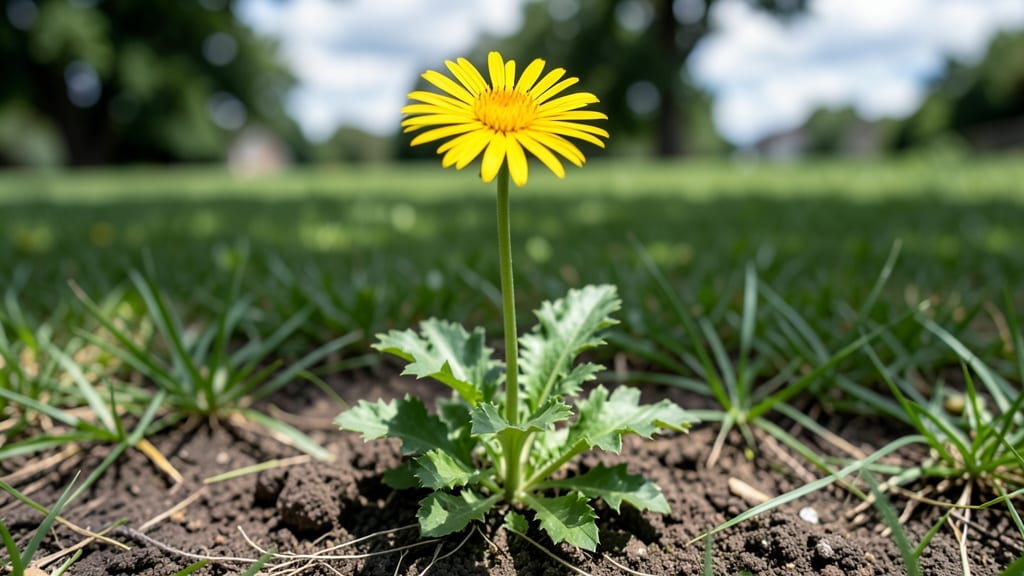
Those cheerful little yellow flowers popping up in your lawn? 🌼 They’re probably dandelions—and while they’re harmless to pets and even attract bees, they’re the last thing you want when you’re chasing that perfect green carpet.
I’ve spent years battling them with everything from store-bought sprays to homemade tricks, and this vinegar-and-salt combo actually works without harming your grass.
The secret lies in timing and technique: apply the mixture on a dry, sunny day when dandelions are actively growing, and you’ll see them wilt within hours.
It’s not instant magic—you’ll need to repeat the process for stubborn patches—but it’s chemical-free and safer for kids and pets than many commercial herbicides. Plus, it costs pennies per gallon compared to what you’d spend at the garden center.
What you’ll end up with is a lawn that stays green and uniform, without the constant yellow blooms popping up every spring. The key is consistent maintenance: mow high, water deeply but infrequently, and overseed bare spots to crowd out weeds naturally.
It takes patience, but the results are worth it.
Works best in early spring or fall when dandelions are most vulnerable, and it’s gentle enough for organic lawn care routines. Here’s exactly how to mix and apply it without damaging your grass—no more pulling those stubborn taproots by hand!
Why it happens
Those cheerful little yellow flowers popping up in your lawn aren’t just a random annoyance—they’re nature’s way of telling you something’s off. Understanding the root causes helps you tackle the problem effectively. Here’s why your lawn might be hosting these uninvited guests:
Dandelions and similar weeds thrive in lawns where water pools or soil becomes densely packed. Here’s why:
- Poor drainage: Excess moisture creates the perfect environment for weed seeds to germinate. If your lawn feels soggy after rain or watering, roots struggle to absorb oxygen, weakening grass and leaving gaps for weeds.
- Compacted soil: Heavy foot traffic, machinery, or clay-heavy soil compresses the ground, preventing grass roots from spreading. Weeds like dandelions exploit these weak spots because their shallow roots don’t need deep, aerated soil to survive.
- Actionable fix: Test your soil’s drainage by digging a small hole—if water sits for more than 6 hours, your lawn may be waterlogged. Aerate compacted areas in fall or spring to restore airflow and grass health.
Extreme light conditions—whether scorching sun or deep shade—stress grass, creating ideal conditions for weeds. Here’s how:
- Sunburned grass: Thin or patchy lawns from excessive sun exposure leave bare soil where dandelion seeds can take root. Grass struggling to photosynthesize weakens, while weeds adapt quickly to dry, sunny spots.
- Shady neglect: Areas under trees or fences often receive less than 4 hours of sunlight daily. Most lawn grasses need 6+ hours to thrive; without it, they thin out, and weeds move in.
- Actionable fix:
- For sun stress: Water deeply in the morning (1–1.5 inches per week) and mow high (3–4 inches) to shade soil and retain moisture.
- For shade: Choose shade-tolerant grasses like fine fescue or overseed bare patches with a sun-loving grass mix in spring.
Your lawn care routine might be inadvertently inviting weeds. Here’s how:
- Cutting too short: Mowing grass below 2 inches stresses it, exposing soil and allowing weed seeds to germinate. Dandelions, in particular, love disturbed soil.
- Uneven nutrient levels: Over-fertilizing with high nitrogen can promote rapid (but weak) grass growth, while under-fertilizing leaves patches vulnerable to weeds. Weeds often outcompete malnourished grass.
- Actionable fix:
- Mow at 3–4 inches and never remove more than ⅓ of the blade height at once.
- Test soil pH (ideal: 6.0–7.0) and apply a balanced fertilizer (e.g., 10-10-10) in early fall or spring.
- Avoid fast-release fertilizers—they can burn grass, creating weed-friendly gaps.
Even if your lawn looks healthy, hidden seeds or leftover plant matter can sprout unexpectedly. Here’s the science:
- Dandelion seeds: A single dandelion can produce 100+ seeds, which stay viable in soil for 5+ years. Wind, animals, and even lawn equipment spread them effortlessly.
- Grass seed contamination: Cheap or old grass seed mixes may contain weed seeds. Some "weed-free" seeds still harbor dormant dandelions.
- Actionable fix:
- Pull weeds before they go to seed (twist to remove the taproot).
- Use certified weed-free seed when overseeding.
- Apply a pre-emergent herbicide in early spring to block new seeds from germinating.
💡 Pro Tip: If your lawn has clay soil or high organic matter, weeds may thrive due to poor nutrient balance. A soil test ($20–$30 at garden centers) reveals exactly what’s missing—then you can amend with compost or sulfur to restore equilibrium.
How to solve it
Those tiny yellow blooms popping up in your lawn might seem like an annoying eyesore, but the good news is they’re often easy to tackle—especially with the right approach.
Whether you’re dealing with dandelions, clover, or other pesky weeds, these solutions will help you reclaim your green space without harsh chemicals. Below, we’ll break down the best fixes based on the root cause of your lawn’s unwanted guests.
🌱 Overgrown Dandelions? Use Vinegar for Fast Results
If your lawn is covered in dandelions, a vinegar-based spray is one of the most effective, natural ways to eliminate them. Dandelions are shallow-rooted, making them vulnerable to vinegar’s acetic acid, which disrupts their cellular structure.
- 🔥 Mix 1 gallon of white vinegar with 1 cup of dish soap (to help it stick to the leaves).
- 🍳 Pour the solution into a spray bottle and apply it directly to the yellow flowers and green foliage—avoid spraying grass to prevent damage.
- 👨🍳 Wait 24–48 hours for the vinegar to work its magic. The dandelions should wilt and die within a few days.
- 🔪 Pull out the dead roots (if possible) to prevent regrowth.
Pro Tip: 💡 For stubborn dandelions, repeat the process every 3–4 days until they’re completely gone.
🌿 Compacted Soil or Thin Grass? Fix the Foundation
If your lawn is sparse or the soil is compacted, weeds like clover or chickweed (which sometimes mimic dandelions) thrive in the gaps. The solution? Improve your lawn’s health so it outcompetes weeds naturally.
- 🌡️ Aerate the lawn in early fall or spring to relieve compacted soil. Rent a core aerator or use a manual spike aerator for smaller areas.
- 💪 Overseed with high-quality grass seed (choose a blend suited to your climate). Rake the soil lightly to create a seed-friendly surface.
- 🥗 Apply a thin layer of compost (¼ inch) to nourish the soil and encourage grass growth.
- ✨ Water deeply but infrequently (1–1.5 inches per week) to strengthen roots and crowd out weeds.
Pro Tip: 🌱 For clover, mow it short (1–2 inches) to weaken it—clover struggles to compete with dense grass.
🧂 Salt Solutions: When to Use (and When to Avoid)
Salt is a last-resort weapon for weeds because it can harm nearby plants and soil long-term. However, for targeted areas (like driveways or sidewalks where grass won’t regrow), it can be effective.
- 🔪 Sprinkle coarse rock salt directly over the weeds and yellow flowers.
- 💧 Water the area lightly to activate the salt’s dehydrating effect.
- 🌱 Wait 1–2 weeks for the weeds to die, then pull out any remaining debris.
⚠️ Warning: Never use salt on grassy areas—it will kill your lawn permanently. Also, avoid using it near trees, shrubs, or garden beds.
🛡️ Prevention Tips to Keep Your Lawn Weed-Free
The best way to deal with little yellow invaders? Stop them before they start. Here’s how to keep your lawn lush and weed-resistant:
- 📊 Mow regularly (keep grass at 2.5–3.5 inches tall) to block sunlight from weed seeds.
- 💪 Fertilize in early spring and fall to promote thick, healthy grass that crowds out weeds.
- 🌡️ Water early in the morning (6–10 AM) to reduce evaporation and fungal growth.
- 🔍 Pull weeds by hand when they’re small (before they seed). A dandelion pulled early is easier to remove than one with a mature taproot.
- 🎯 Use pre-emergent herbicides in early spring (like corn gluten meal) to prevent weed seeds from germinating.
Pro Tip: 🌿 Spread a thin layer of mulch (like straw) around garden edges to suppress weed growth without harming grass.
With these targeted fixes, your lawn can go from a yellow-flowered eyesore to a lush, green paradise in no time. Start with the method that best fits your lawn’s current condition, and soon you’ll be enjoying a weed-free space without breaking a sweat!
Frequently asked questions
Are those little yellow flowers actually weeds?
Not always! While dandelions are the most common culprits, some yellow blooms like buttercups or even wildflowers can appear. Check the leaf shape and growth pattern: dandelions have deeply lobed leaves and a single yellow flower, while buttercups have rounded leaves and multiple petals. If you're unsure, snap a photo and compare it to online plant databases.
Why do dandelions keep coming back even after I pull them?
Dandelions have deep taproots that can regrow from tiny fragments left in the soil. Always pull them when the soil is moist (after watering or rain) and grasp the entire root - it should come out like a tooth! If you miss any pieces, they'll sprout again. For stubborn patches, try the vinegar solution mentioned earlier to kill what you can't pull.
Is it safe to use vinegar on my entire lawn?
No, vinegar should only be targeted at weeds. The acetic acid can burn grass and other plants. Always spray only on the yellow flowers and leaves, avoiding healthy grass blades. For large areas, consider spot-treating individual weeds or using a shield (like cardboard) to protect surrounding grass while applying the solution.
When is the best time of year to tackle these yellow blooms?
Early spring (March-April) and fall (September-October) are ideal times. Dandelions are most vulnerable when they're actively growing but haven't yet gone to seed. In summer, they develop thicker roots and become more resistant to treatments. The cooler temperatures also reduce the risk of damaging your grass.
Will these flowers harm my grass or other plants?
Most yellow lawn flowers like dandelions and buttercups are harmless to grass and other plants. In fact, they can attract beneficial pollinators to your yard. However, they do compete with grass for water and nutrients. The real issue is their presence disrupts that perfect green lawn look most people desire. If you have pets, be aware that some plants (like foxglove) can be toxic.