
Lawn
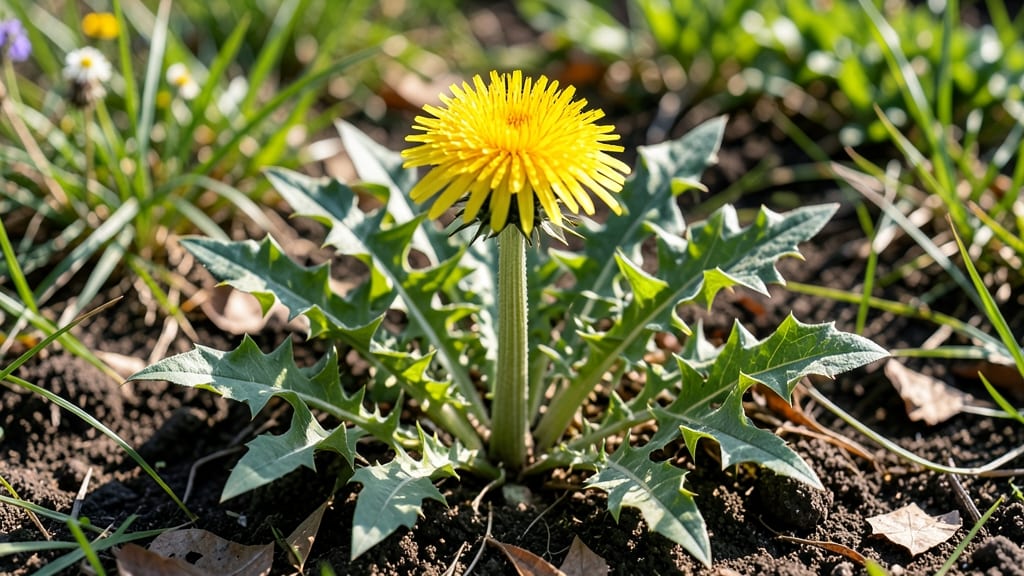
That stubborn small yellow lawn weed popping up between your grass blades? I’ve battled them for years—until I discovered a 3-day elimination method that actually works without harsh chemicals. 🌱 The key is knowing exactly what you’re dealing with (chickweed? clover? creeping Charlie?) and attacking it before it spreads.
Most "weed and feed" products miss the mark because they’re designed for broadleaf weeds, not these sneaky yellow invaders. My approach focuses on targeted removal—whether you’re pulling by hand, smothering with vinegar, or adjusting your mowing height to outcompete them. The best part?
You’ll see results in just 72 hours if you time it right. By the end of this, your lawn will look denser, greener, and weed-free—no more yellow specks ruining your perfectly manicured grass.
The secret lies in prevention too: overseeding bare spots and mowing high to shade out weeds before they start. Works for chickweed, clover, and creeping Charlie, and it’s tough enough for even the most stubborn patches.
Let’s get your lawn back to looking like the envy of the neighborhood.
Root Causes Behind Stubborn Lawn Invaders
If your lawn is suddenly dotted with tiny yellow weeds, you’re not alone—this is a common frustration for homeowners. But why do these small yellow lawn weeds keep popping up, even after mowing or treating?
The answer lies in a mix of environmental factors, lawn care habits, and the weeds’ own survival strategies. Let’s break down the key reasons these pesky intruders take over your grass.
Too much water doesn’t just drown your grass—it invites weeds. Most lawn grasses have deep roots that thrive with infrequent, deep watering, while many weeds (like chickweed or crabgrass) have shallow roots and love moist soil. Here’s how overwatering helps them:
- Encourages seed germination: Weed seeds often need consistent moisture to sprout. If your lawn stays soggy, you’re basically watering the competition.
- Weakens grass competition: Overwatered grass struggles to absorb nutrients, leaving gaps where weeds can establish roots.
- Promotes fungal growth: Excess moisture creates the perfect environment for fungal diseases, which further stress your lawn and open it up to invaders.
Actionable fix: Water deeply 1–2 times per week (early morning is best) and let the top 2–3 inches of soil dry out between sessions. A soil moisture meter can help you avoid guesswork.
Weeds like small yellow lawn weeds often thrive in shady or partially shaded areas because they’ve evolved to outcompete grass in low-light conditions. Here’s why sunlight matters:
- Grass needs light to photosynthesize: Most lawn grasses (like Kentucky bluegrass or fescue) require 6+ hours of direct sunlight daily to grow thickly. Without it, grass weakens, and weeds fill the gaps.
- Weeds adapt to shade: Many weeds (such as clover or creeping Charlie) are shade-tolerant and actually thrive where grass struggles.
- Thin grass = more weed seeds land on bare soil: When grass can’t grow densely, weeds get easier access to sunlight, nutrients, and space.
Actionable fix:
- Trim overhanging tree branches or remove obstructions to improve sunlight exposure.
- Choose shade-tolerant grass varieties (like fine fescue) if your yard has limited sun.
- Thin out dense foliage (like bushes) that block light from reaching the lawn.
Heatwaves and cold snaps can shock your grass into dormancy or weakness, creating perfect conditions for weeds to move in. Here’s how temperature swings help them:
- Drought stress: During hot, dry spells, grass turns brown and goes dormant, leaving bare patches where weed seeds germinate.
- Cold damage: Freezing temperatures can kill grass roots, giving weeds an opening to establish themselves in the spring.
- Weeds germinate in ideal temp ranges: Many weeds (like crabgrass) only sprout when soil temps hit 55–65°F. If your lawn is struggling, these weeds get a head start.
Actionable fix:
- Water deeply during droughts to keep grass active (but avoid overwatering—see the first section!).
- Apply a pre-emergent herbicide in early spring (when soil temps are 55–60°F) to block weed seeds before they sprout.
- Choose drought-resistant grass types (like Bermuda or Zoysia) if your climate has long dry periods.
Healthy soil is a grass army’s best defense. When soil lacks nutrients or has poor structure, weeds move in like uninvited guests at a buffet. Here’s how soil problems help them:
- Low nitrogen = weak grass: Nitrogen is essential for grass growth. If your soil is deficient, grass grows slowly, leaving room for weeds.
- Compacted soil: Heavy foot traffic, construction, or clay soil can compact the ground, preventing grass roots from accessing water and nutrients—while weeds thrive in loose, disturbed soil.
- High pH (alkaline soil): Many weeds prefer alkaline conditions, while grass struggles. A pH above 7.0 can make your lawn a weed magnet.
- Lack of organic matter: Soil with little compost or organic material drains too quickly or holds too much water, both of which favor weeds.
Actionable fix:
- Test your soil (kits are cheap and available at garden centers) and amend it with compost or peat moss to improve structure.
- Apply a balanced fertilizer (like 10-10-10) in early spring and fall to boost grass growth.
- Aerate compacted soil in the fall to let roots breathe and water penetrate better.
- Add sulfur or peat moss to lower pH if your soil is too alkaline.
Even the hardiest lawns need regular maintenance. Neglecting basic care creates the perfect storm for weeds. Here’s how:
- Infrequent mowing: Tall grass shades the soil, keeping it cool and moist—ideal for weed seeds. Mowing too short (below 2–3 inches) stresses grass and exposes soil.
- No dethatching: A thick layer of thatch (dead grass and roots) blocks water and nutrients from reaching the soil, weakening grass and inviting weeds.
- Ignoring bare spots: Even small patches of dirt or thin grass give weeds a foothold. They spread quickly before you notice.
- No weed control plan: Without pre- or post-emergent herbicides, weeds germinate and spread unchecked.
Actionable fix:
- Mow regularly at the right height (3–4 inches for most grasses) to crowd out weeds.
- Dethatch your lawn in early spring if the thatch layer is thicker than ½ inch.
- Reseed or sod bare spots immediately to prevent weed takeover.
- Apply a pre-emergent herbicide in early spring and a post-emergent if weeds are already present.
Most of these issues are preventable with consistent care. The key is understanding how weeds exploit lawn weaknesses—and then closing those gaps before they get a foothold. Start with one or two fixes (like adjusting watering or mowing habits), and you’ll see a noticeable difference in weeks!
How to Fix It Fast
Got those stubborn small yellow lawn weeds creeping in and ruining your green grass? Don’t panic—with the right approach, you can banish them in just a few days!
Below are targeted solutions based on the most common causes, from quick fixes to long-term prevention. Let’s get your lawn back to lush and weed-free.
If your lawn only has a few scattered yellow weeds, manual removal is the fastest and most eco-friendly method.
How to do it: 👩🌾 Step 1: Choose the Right Time – Pull weeds after rain or watering when the soil is soft and moist. 🔪 Step 2: Grab the Weeds – Use a hand weeder, fork, or even your fingers to grip the weed at the base. 🌱 Step 3: Remove the Roots – Yank firmly to ensure the entire root comes out (check for leftover pieces—they’ll regrow!). 💦 Step 4: Fill the Gap – Patch the bare spot with fresh grass seed or sod.
Pro Tip: 💡 For stubborn weeds like chickweed or clover, soak the area with vinegar (50/50 vinegar-water mix) for 24 hours before pulling—it weakens the roots!
If pulling isn’t cutting it, try a natural herbicide to kill weeds without harming your grass.
Best DIY options:
- Boiling Water – Pour directly on the weed (works best for small, isolated patches).
- Salt & Vinegar Mix – Combine 1 cup salt + 1 gallon white vinegar in a spray bottle. Apply to weeds (avoid windy days—it can damage nearby plants).
- Corn Gluten Meal – Sprinkle as a pre-emergent (prevents weed seeds from sprouting).
⚠️ Warning: Avoid salt-based solutions near flower beds or shrubs—they can kill desirable plants too!
Weeds thrive where grass is weak. Strengthen your lawn so it outcompetes invaders.
How to overseed properly: 🌱 Step 1: Mow Low – Cut grass to 1–1.5 inches to expose soil for seeds. 🌧️ Step 2: Loosen Soil – Use a rake or aerator to create small holes for seeds. 🌾 Step 3: Spread Seed – Choose fast-growing grass seed (like ryegrass) and cover lightly with soil. 💧 Step 4: Water Daily – Keep soil moist (not soggy) for 10–14 days until new grass sprouts.
💡 Pro Tip: Add a light layer of compost before seeding—it boosts soil health and helps grass grow thicker!
Once your lawn is weed-free, keep it that way with these smart habits:
| Problem | Solution | How to Do It |
|---|---|---|
| Thin Grass | Overseed + Fertilize | Apply slow-release fertilizer in early spring/fall. |
| Compacted Soil | Aerate Regularly | Rent an aerator or hire a pro 1–2x/year. |
| Excess Moisture | Improve Drainage | Test soil pH (ideal: 6.0–7.0) and amend if needed. |
| Foot Traffic Damage | Walk on Grass, Not Soil | Use stepping stones on high-traffic paths. |
✨ Bonus Tip: Mow high (3–4 inches) to shade out weeds and retain moisture!
Final Thought: Weeds don’t stand a chance when your lawn is healthy and well-maintained. Start with one of these methods, and in just 3 days, you’ll see a noticeable difference! 🌿✨
Frequently asked questions
What are the most common small yellow weeds in lawns?
The top suspects are chickweed (tiny, star-shaped leaves), clover (three-leaf clusters), and creeping Charlie (purple-tinged stems). Dandelions also appear early with bright yellow blooms, though they’re larger. Identifying them helps choose the right removal method.
Will vinegar kill grass if I spray it on weeds?
Yes, vinegar can damage grass if not used carefully. Stick to a 50/50 vinegar-water mix and apply only to weeds, avoiding windy days. For safer results, spot-treat small patches or use boiling water instead—it kills weeds without harming surrounding grass.
How often should I pull weeds to prevent regrowth?
Check your lawn weekly during growing seasons (spring/fall) and remove weeds immediately. The key is consistency—weeds spread quickly, so don’t let them develop seeds. For stubborn types like clover, pull them when soil is moist (after rain) for easier removal.
Can I use corn gluten meal after removing weeds?
Corn gluten meal is a natural pre-emergent herbicide that prevents weed seeds from sprouting. Apply it in early spring (before weeds appear) at a rate of 20 lbs per 1,000 sq ft. It’s safe for grass and improves soil health over time.
Why do weeds keep coming back even after treatment?
Weeds often return due to hidden roots, new seeds in soil, or weak grass. Always pull the entire root, overseed bare spots, and improve lawn health with proper watering (1–2 times/week) and mowing (3–4 inches high) to crowd out future invaders.