
Mower
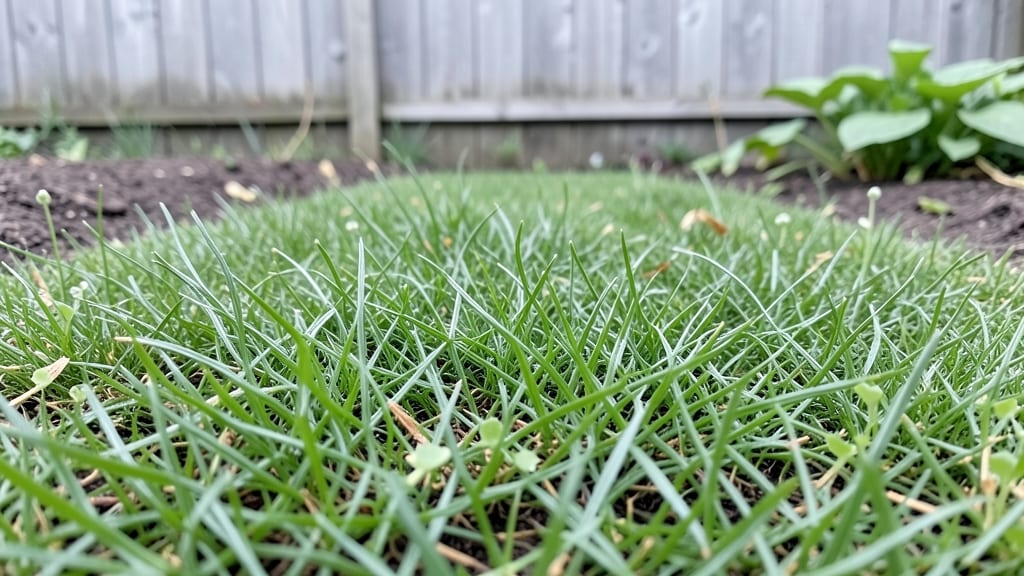
Mowing grass short weakens roots, stresses turf, and invites weeds or drought damage, but proper technique can minimize harm. Use a sharp blade, never cut more than one-third of the height, and adjust mower settings seasonally for recovery.
Cutting grass too short—what I call "scalping"—disrupts the grass's natural ability to photosynthesize, forcing it to divert energy from growth to survival. 🌱 This stress makes lawns more vulnerable to pests, disease, and heat stress, especially in hot climates.
The key is balancing aesthetics with health: most grasses thrive when you never remove more than one-third of the blade height in a single mowing.
For example, Kentucky bluegrass should never go below 2 inches, while Bermuda grass can handle slightly shorter cuts (1 inch) when properly maintained.
Seasonal adjustments matter too. In summer, raise the mower blade slightly to protect roots from heat, while in cooler months, you can trim a bit lower to encourage thicker growth before winter.
A sharp blade is non-negotiable—dull blades tear grass instead of cleanly cutting it, causing more damage than the height itself. I’ve seen lawns recover beautifully when homeowners switch to a self-propelled mower with adjustable settings, as it gives better control over cutting height.
💡 In This Article
- How Short Grass Height Affects Lawn Health
- Best Mowing Heights by Grass Type and Season
How short grass height affects lawn health
When you mow grass too short, you're essentially severing its food source—the leaf blades that capture sunlight for photosynthesis. Grass blades contain chlorophyll, which converts light into energy for root growth and repair.
Cutting below one-third of the blade height forces the plant into survival mode, diverting all energy to regrow leaves rather than strengthening roots. This biological stress creates a cycle where the grass becomes thinner, weaker, and more susceptible to drought and disease.
For example, Kentucky bluegrass, a cool-season grass, can develop brown patches within 2-3 weeks if scalped repeatedly, while warm-season grasses like Bermuda show slower but more permanent damage.
The root system takes the biggest hit because it relies on the leaves to feed it. Grass roots grow downward to access water and nutrients, but when blades are cut too short, the roots can't sustain their depth.
Studies show that tall fescue, a common cool-season grass, reduces root depth by up to 40% when mowed at 1 inch compared to 3 inches. Shallow roots mean less stability, making the lawn more prone to weed invasion and soil erosion.
The grass also loses its ability to store moisture, turning crispy brown in hot weather even with regular watering. This is why many lawns look lush in spring but struggle to recover in summer after aggressive mowing.
Different grass types react differently due to their natural growth habits. Cool-season grasses like Kentucky bluegrass and perennial ryegrass have deeper roots but are more sensitive to scalping because they rely on a longer growing season.
Warm-season grasses like Bermuda and Zoysia can handle shorter cuts (1-1.5 inches) because their root systems are naturally more compact and drought-resistant. However, even warm-season grasses suffer if you cut them too short—they become heat-stressed and may go dormant prematurely.
The key is matching your mowing height to the grass type and climate. In hot, dry regions, keeping grass slightly taller (even for warm-season varieties) helps shade the soil and retain moisture.
Another critical factor is how short cuts expose the lawn to pests and diseases. Grass blades act as a protective barrier against fungal infections like brown patch or dollar spot.
When you mow too short, you remove this shield, leaving the lawn vulnerable to pathogens that thrive in warm, humid conditions. I’ve seen lawns develop thatch layers—a dense layer of dead grass and roots—when mowed too aggressively, which further blocks water and nutrients from reaching the soil.
Even the texture changes: short grass feels coarse and brittle underfoot, while properly maintained grass has a soft, springy resilience that indicates healthy growth.
What most people don’t realize is how quickly grass can recover if given the right conditions. If you’ve been scalping your lawn, start by raising the mower blade gradually over 2-3 weeks to avoid shocking the grass.
Water deeply 1-2 times per week (about 1 inch of water) to encourage root growth, and avoid fertilizing until the grass shows signs of recovery. Over time, you’ll notice the blades thicken, the color deepens, and the lawn becomes more resistant to stress.
The science is clear: healthier grass starts at the roots, and protecting the blades is the first step to getting there. 🌱