
Lawn
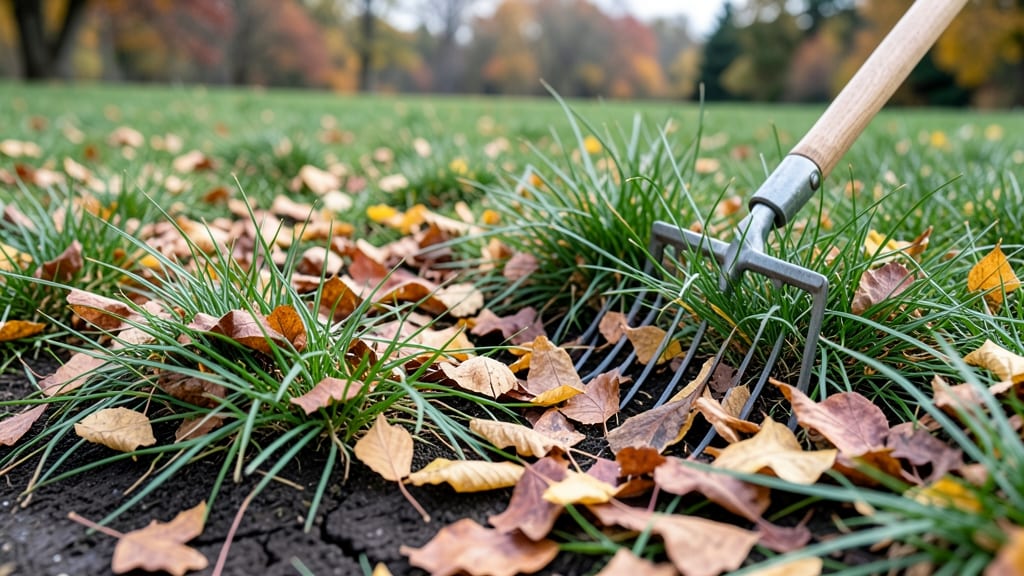
Leaving mulched leaves on lawn might seem like a shortcut, but it can smother grass and invite pests. 🌿 I’ve learned the hard way—last fall’s thick leaf layer left brown patches that took weeks to recover.
The key isn’t avoiding leaves entirely, but using them smartly where they’ll help, not harm.
Instead of letting leaves pile up, shred them first—this turns them into a fluffy, nutrient-rich mulch for garden beds. A ¼-inch layer on flower beds or vegetable patches feeds soil all winter.
For the lawn, a quick rake or leaf blower keeps grass breathing while you compost the rest for spring.
Your lawn will stay green, your garden beds will thrive, and you’ll cut down on spring cleanup. The secret? Work with leaves, not against them—shred, spread, or compost them before they become a problem.
This works for any yard size, from small suburban plots to sprawling rural acres. Let’s turn those leaves from a chore into a resource!
What Triggers Leaf Decomposition
When autumn paints your yard in fiery hues, those vibrant leaves eventually become a lawn care dilemma—especially if they’re mulched into the grass. While this process is natural, several key factors influence why leaves break down unevenly, clump together, or fail to enrich the soil as intended.
Understanding these causes helps you manage the process more effectively and avoid common pitfalls.
Not all leaves decompose at the same rate. Thick, waxy leaves—like those from oak or maple trees—contain high levels of lignin, a complex polymer that resists breakdown. Meanwhile, softer leaves (e.g., from birch or aspen) decompose faster due to their thinner structure and higher cellulose content.
- Actionable fix: Shred leaves before mulching to increase surface area, exposing more nutrients to soil microbes. A lawn mower with a mulching blade or a dedicated leaf shredder works best.
- Pro tip:💡 Mix thick and thin leaves in your mulch pile to balance decomposition speeds.
Decomposition is a microbial party, and microbes love warmth. When temperatures drop below 50°F (10°C), microbial activity slows dramatically, causing leaves to linger on the lawn instead of breaking down. Even in mild climates, cold snaps can stall the process.
| Season | Microbial Activity | Decomposition Speed |
|---|---|---|
| Spring/Fall (50–70°F / 10–21°C) | Moderate to high | 3–8 weeks |
| Winter (<50°F / 10°C) | Very low | Months or stalled |
| Summer (70–90°F / 21–32°C) | Peak | 1–4 weeks |
Actionable fix: Spread mulched leaves thinly (¼-inch layer) to prevent smothering grass and allow airflow. In cold climates, wait until spring to mulch heavily or use a rake to redistribute leaves periodically.
Decomposition needs moisture to thrive, but too much water creates anaerobic conditions (low oxygen), slowing breakdown and promoting mold. Conversely, dry leaves become brittle and resist microbial attack.
- Ideal moisture: Keep mulched leaves damp but not soggy—like a wrung-out sponge.
- Actionable fixes:
- 🌡️ Water lightly after mulching to kickstart decomposition.
- ✨ In drought-prone areas, mulch in the evening to retain moisture overnight.
While microbes are the unsung heroes of decomposition, pests like slugs, pill bugs, and fungi can hijack the process. Fungal growth (e.g., mushrooms) thrives in damp, compacted mulch, while pests may eat leaves before they break down.
- Signs of trouble:
- 🍄 Fuzzy white or black mold on leaves.
- 🐌 Slime trails or chewed leaf edges.
- Actionable fix: Spread mulch evenly and avoid thick piles where moisture traps. Use organic fungicides (like neem oil) if mold appears.
A thriving lawn accelerates leaf decomposition because healthy grass roots excrete enzymes that aid breakdown. However, if your grass is stressed, thin, or diseased, it can’t support the process efficiently.
- Key indicators:
- 🟡 Yellowing or patchy grass.
- 🌱 Slow regrowth after mulching.
- Actionable fix: Test soil pH (ideal: 6.0–7.0) and fertilize lightly with nitrogen-rich compost before mulching. Aerate compacted lawns to improve microbial access.
Fixing Leaf Buildup Fast
Now that you understand why mulched leaves pile up on your lawn, let’s tackle the fixes—quickly, efficiently, and with minimal effort. The right approach depends on whether you’re dealing with uneven distribution, matting, or nutrient overload.
Below, we’ll break down the solutions by cause, plus prevention tips to keep your lawn healthy long-term.
If your lawn is already smothered, act fast to avoid compacted soil or fungal issues.
🍳 Rake and Redistribute (Best for Small Areas)
When to use: Leaves are clumped in thick patches but not yet matted. How to do it: 1. Use a leaf rake (not a metal rake—plastic or bamboo protects grass blades).
- Gather leaves into piles and either: - Spread them thinly (¼-inch layer) over bare spots to decompose naturally. - Bag them for compost or mulch later.
- Fluff the lawn with a garden fork or aerator to prevent compaction.
✨ Pro Tip: Work in dry conditions—wet leaves stick together and tear grass.
👨🍳 Mulch Properly (For Even Coverage)
When to use: Leaves are dry and crispy (ideal for shredding). How to do it: 1. Run a mower with a mulching blade (set to high) over dry leaves. This shreds them into fine pieces.
- Leave the clippings to decompose—but only if: - Your lawn is healthy (no bare patches). - Leaves are less than ¼-inch thick after mulching.
- Water lightly to help decomposition.
💡 Warning: Avoid mulching wet leaves—they’ll clump into a thick, suffocating mat.
🔪 Remove and Compost (For Severe Cases)
When to use: Leaves are matted, wet, or smothering grass (risk of mold or pests). How to do it: 1. Use a leaf blower (for large areas) or a garden vacuum (for precision).
- Collect leaves in a compost bin or pile (add nitrogen-rich materials like grass clippings to balance).
- Aerate the lawn afterward to relieve compacted soil.
🌡️ Pro Tip: If leaves are still green, let them decompose on the lawn—they’ll release nutrients. Brown/dry leaves? Remove them to avoid thatch buildup.
Stop the problem before it starts with these low-effort habits:
| Issue | Prevention Fix | How Often |
|---|---|---|
| Leaf piles in corners | Install a leaf deflector on gutters or use a hose to wash leaves into the yard. | Before fall cleanup |
| Matting from wet leaves | Rake or blow leaves weekly during peak drop. | Every 5–7 days |
| Uneven mulching | Mulch in stages—don’t dump all leaves at once. | 2–3 passes with mower |
| Nutrient overload | Test soil (fall) and adjust fertilizer if needed. | Once a year |
✨ Bonus Hack: Plant leaf-loving ground covers (like clover or creeping thyme) in high-traffic areas—they’ll outcompete weeds and handle light leaf cover better than grass.
If your lawn still looks stressed after cleanup:
- Thatch layer > ½ inch? Rent a dethatcher or hire a pro.
- Fungal spots appearing? Treat with baking soda spray (1 tbsp per gallon of water) or a fungicide.
- Bare patches? Overseed in early fall for best results.
Remember: A little preventive raking now saves hours of scrubbing later. Mulched leaves are a gift—just handle them right! 🌿
Frequently asked questions
Why do mulched leaves turn my lawn brown?
Thick layers of leaves block sunlight and air from reaching grass blades, causing them to suffocate. A ¼-inch layer or less lets leaves decompose safely, but anything thicker smothers grass. Rake up excess leaves or shred them first to prevent this.
Can I use mulched leaves as fertilizer?
Yes! Shredded leaves make excellent mulch for garden beds, releasing nutrients as they break down. For lawns, only use them if your grass is healthy—otherwise, they’ll create thatch. Spread a thin layer (¼-inch) over garden soil in fall for spring enrichment.
What’s the best tool to shred leaves for mulching?
A lawn mower with a mulching blade works best for small to medium yards. For larger piles, use a dedicated leaf shredder or chipper. Avoid metal rakes—they tear grass blades. Always shred leaves first to speed up decomposition and prevent matting.
How often should I rake leaves off my lawn?
Rake or blow leaves weekly during peak fall drop to prevent buildup. If you mulch, check after 2-3 weeks—if leaves are still thick, redistribute them. Wet leaves clump faster, so work on dry days for easier cleanup.
Will mulched leaves attract pests?
Yes, thick leaf layers can attract slugs, pill bugs, and fungi if moisture gets trapped. Prevent this by keeping layers thin and well-aerated. If you see mold or pests, remove the leaves and treat with neem oil or baking soda spray for organic control.