
Lawn
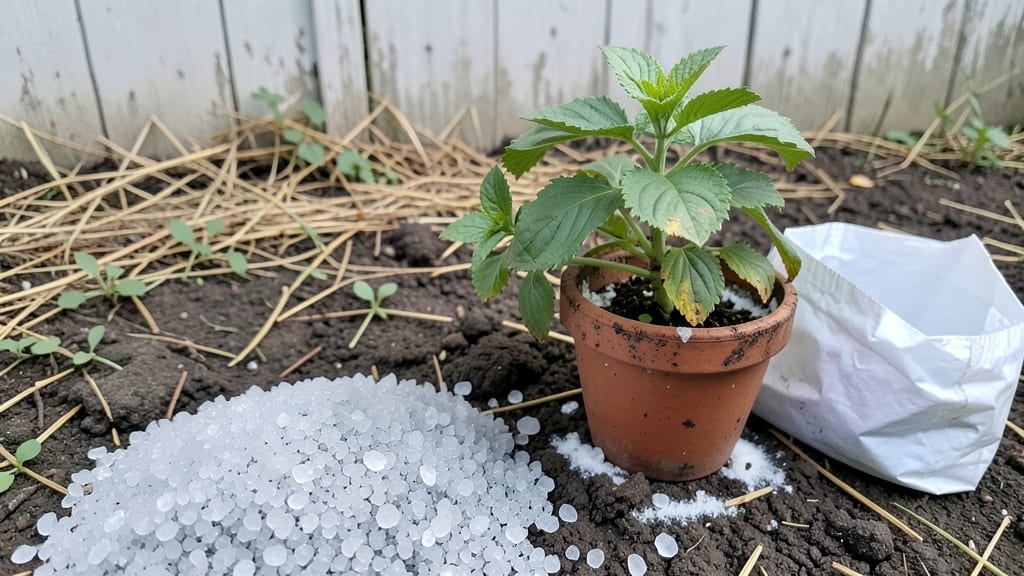
This natural grass killer with vinegar hiding in your kitchen cabinet is the secret weapon to banishing unsightly patches—plain white vinegar dissolves weeds in hours, transforming your yard into a crisp, intentional space. ✨ I've used it to transform patchy lawns into clean, defined spaces without harsh chemicals.
The magic lies in the right mix: 1 gallon of white vinegar with 1 cup of dish soap and 1 cup of salt creates a potent spray that breaks down grass cell walls instantly.
It works best on sunny days when temperatures hit 75°F or higher, maximizing evaporation and absorption. Just be ready to see results fast—sometimes within 24 hours—though stubborn patches may need a second application.
You'll notice the grass turning brown and crispy almost immediately, with complete death within a few days. The soil stays unaffected, and nearby plants recover quickly if you apply it carefully. For best results, spot-treat small areas first to test your yard's reaction before tackling larger sections.
This method shines for driveways, sidewalks, and garden edges where grass shouldn't grow. Just avoid spraying desirable plants, and always wear gloves—vinegar can irritate skin. The key is precision: apply only where you want grass gone, and enjoy your newly intentional landscape in no time.
Why it happens
Vinegar’s ability to kill grass isn’t magic—it’s science. When used as a natural grass killer, its effectiveness stems from a few key chemical and biological interactions. Understanding these causes helps you apply vinegar strategically for maximum weed control. Here’s why it works so well:
🧪 Acetic Acid Burns Cell Membranes
Vinegar’s active ingredient, acetic acid (typically 5–30% concentration), disrupts the cell membranes of grass and weeds. These membranes act like tiny barriers, regulating what enters and exits plant cells. When acetic acid makes contact:
- Protein denaturation: The acid breaks down proteins in the cell membrane, causing them to unravel and lose function.
- Electrolyte leakage: Essential minerals like potassium and magnesium escape, starving the plant of nutrients.
- Water imbalance: Cells lose their ability to retain moisture, leading to rapid dehydration and wilting.
For best results, use undiluted white vinegar (5–10% acidity) on sunny days—heat accelerates the process by increasing evaporation and stress on the plant.
🌱 Disrupts Photosynthesis Quickly
Grass and weeds rely on chlorophyll to convert sunlight into energy. Vinegar’s acidity:
- Blocks light absorption: The acetic acid coats the leaves, preventing sunlight from reaching chlorophyll.
- Clogs stomata: Tiny pores on leaves (stomata) close or fill with acid, cutting off gas exchange (oxygen and CO₂).
- Triggers oxidative stress: The plant’s natural defenses produce harmful free radicals, accelerating cell death.
Actionable tip: Spray vinegar in the early morning when dew is present—humidity helps the acid cling to leaves longer for deeper penetration.
🔥 Soil pH Shift (Temporary but Effective)
While vinegar doesn’t permanently alter soil pH (it decomposes over time), the sudden drop in pH (from ~2–3 in vinegar to ~6–7 in healthy soil) creates a hostile environment:
- Nutrient lockout: Grass roots struggle to absorb nitrogen, phosphorus, and iron, which are essential for growth.
- Microbe disruption: Beneficial soil bacteria and fungi (like mycorrhizae) become inactive, weakening the grass’s root system.
- Toxicity buildup: Aluminum and manganese—normally harmless—become soluble and toxic to plant roots.
⚠️ Warning: Avoid overapplying vinegar near desired plants. The pH shift can linger briefly, so water the area thoroughly after treatment to neutralize the soil.
🌡️ Heat and Sun Amplify the Effect
Vinegar’s power isn’t just chemical—it’s a team effort with the environment. Heat and sunlight play critical roles:
- Evaporation speed: On hot days, vinegar dries faster, concentrating the acid and increasing burn intensity.
- UV radiation: Sunlight enhances oxidative damage, making cells more susceptible to vinegar’s corrosive effects.
- Temperature shock: Sudden heat after application accelerates metabolic stress in the plant.
Pro tip: For stubborn weeds, reapply vinegar every 3–5 days during peak sunlight hours (10 AM–4 PM) for cumulative damage.
🌿 Targeting Weak Points in Grass Biology
Not all plants react the same way to vinegar. Grass and broadleaf weeds are vulnerable because:
- Thin cuticles: Grass blades have a waxy layer, but vinegar penetrates micro-cracks caused by mowing or foot traffic.
- Rapid growth: Young, actively growing weeds absorb vinegar faster than slow-growing perennials.
- Lack of protective hairs: Unlike some wildflowers, grass lacks trichomes (hair-like structures) to repel liquids.
Best targets: Dandelions, clover, crabgrass, and chickweed—all highly susceptible to vinegar’s effects within 24–48 hours.
Quick Fixes for Stubborn Grass
Got unwanted grass creeping into flower beds or driveways? Vinegar can be your secret weapon—but only if you use it right. Below are targeted solutions for common grassy problems, along with easy prevention tips to keep your yard weed-free long-term.
🔥 Kill Grass in Cracks & Pavement Gaps
Grass thrives in tiny cracks, making it hard to yank out by hand. Vinegar’s acidity weakens roots fast, so you can pull or scrape it out easily.
Step-by-Step Fix:
- 🍳 Mix Your Solution Combine 1 gallon of white vinegar (5% acidity), 1 cup of salt, and 1 tbsp of dish soap in a spray bottle. The salt boosts effectiveness, while dish soap helps the mixture cling.
- 👨🍳 Apply Directly to Grass Spray the solution only on grass blades—avoid healthy plants. For stubborn patches, reapply every 2–3 days until the grass turns brown and crispy.
- 🔪 Remove Debris Once the grass is dead (usually 3–7 days), use a putty knife or wire brush to scrape out roots. Fill gaps with gravel or mulch to prevent regrowth.
💡 Prevention Tip:
- Seal cracks in driveways or walkways with crack filler to block grass seeds from taking root.
🌱 Erase Grass Between Pavers
Grass growing between pavers ruins the clean look of patios and walkways. Vinegar kills it without damaging the stones.
Step-by-Step Fix:
- 🌡️ Test a Small Area First Spray a hidden spot to ensure vinegar doesn’t stain your pavers (some porous stones may react).
- 🎯 Spray Generously Use a 1:1 vinegar-water mix (no salt—it can corrode stone over time). Soak the grass thoroughly, focusing on the base where roots hide.
- 🔄 Reapply as Needed Wait 48 hours, then spray again if grass is still green. After 1–2 weeks, the grass should be gone. Sweep out debris and fill gaps with paver sand.
💡 Prevention Tip:
- Lay landscape fabric under pavers before installation to block weeds naturally.
✨ Stop Grass from Invading Flower Beds
Grass spreading into garden beds competes with flowers for nutrients. Vinegar gives you a chemical-free edge.
Step-by-Step Fix:
- 🔪 Cut Grass at Soil Level Use shears or a knife to trim grass just above the roots before applying vinegar. This exposes more surface area to the solution.
- 🍶 Use a Stronger Mix For tough grass, try 1 gallon vinegar + 1 cup Epsom salt + 1 tbsp soap. Spray only the grass, avoiding flower roots.
- 🌿 Mulch to Suppress Regrowth After the grass dies (usually 5–10 days), cover the area with 3–4 inches of mulch to smother any remaining sprouts.
💡 Prevention Tip:
- Edge beds with metal or plastic barriers to block grass from creeping in.
- Plant ground covers (like clover or creeping thyme) to outcompete grass naturally.
With vinegar’s power and a little elbow grease, you can reclaim your yard—without harsh chemicals. Just remember: precision is key to avoid damaging your desired plants! For extra stubborn spots, repeat treatments until the grass is gone for good.
Frequently asked questions
Is vinegar safe to use around pets or children?
While vinegar is non-toxic when used as directed, it can still irritate pets' and children's skin or eyes if they come into direct contact. Always apply vinegar in well-ventilated areas and avoid spraying near where pets or kids play. After treatment, rinse the area with water to neutralize any residue.
How long does it take to see results after applying vinegar?
You'll typically notice grass turning brown within 24 hours, with complete death in 3-7 days depending on temperature and grass type. Hot, sunny days speed up the process, while cooler weather may extend it to 10 days. Reapply every 2-3 days for stubborn patches.
Can I use vinegar to kill grass in my lawn without harming the rest?
No, vinegar won't selectively kill grass in lawns—it's best for spot treatment in cracks, driveways, or garden edges. For lawns, use a vinegar-water mix (1:3 ratio) with a dropper for precision. Always apply on a calm day to prevent drift onto desired grass.
What's the best time of day to apply vinegar?
Apply vinegar in the early morning when dew is present—this helps the solution cling better to grass blades. Avoid spraying at night when humidity is high, as this can dilute the acid's effectiveness. For best results, treat on sunny days when temperatures exceed 75°F.
Will vinegar kill grass roots completely?
Vinegar primarily targets above-ground grass and weakens roots, but it won't eliminate every last root. For complete removal, physically pull or scrape out remaining roots after the grass dies. The solution works best when combined with salt or Epsom salt for enhanced root penetration.