
Lawn
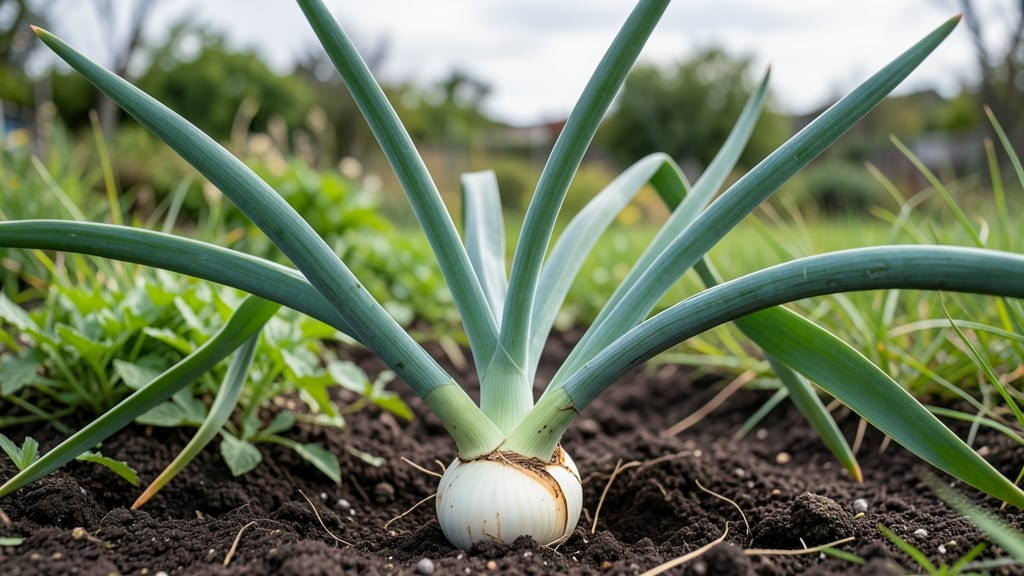
Onions growing in your lawn aren't just unsightly—they're a sign your grass is fighting for dominance. 🌱 I've wrestled with these stubborn invaders for years, and the right approach can turn them into a one-time nuisance instead of a recurring battle.
The key is understanding why they show up in the first place and how to remove them without harming your lawn.
These onion-like weeds (often wild onions or garlic chives) thrive where grass is weak—thin spots, compacted soil, or areas with poor drainage. They spread through underground bulbs, making them harder to kill than surface weeds.
The good news? You don’t need harsh chemicals to win. A combination of manual removal, targeted herbicides (if needed), and lawn care tweaks can restore your turf in just a few weeks.
Start by digging out the bulbs—every last piece—to prevent regrowth. For stubborn patches, spot-treat with a vinegar-based herbicide or a lawn-safe weed killer designed for broadleaf weeds. After removal, overseed the area and focus on improving soil health.
Within 30-60 days, your lawn will look thicker and more uniform, with no onion bulbs lurking beneath.
This method works for both wild onions and accidental transplants from garden beds. The secret is consistency—check for new shoots regularly, especially in spring and fall when weeds are most active. With the right approach, you’ll have a lawn that stays lush and weed-free all season long.
Root Causes Of Lawn Onions
Discovering onions sprouting in your lawn can feel like a surprise plot twist—especially when you’ve never planted them! While it might seem mysterious, these bulbous invaders usually appear due to a mix of natural behaviors, soil conditions, and even human activity.
Understanding the why behind their presence helps you tackle the problem effectively. Below, we break down the most common reasons onions (or their wild relatives) take root in your grass, backed by science and actionable insights.
Onions and their wild cousins (like Allium vineale, or wild garlic) are prolific seed producers. A single onion plant can release hundreds of tiny, lightweight seeds that hitchhike on the wind, water, or even your shoes and lawn tools. Here’s how it happens:
- Wind dispersal: Onion seeds are designed to travel. If a neighbor’s garden, nearby farm, or even a wild patch exists, seeds can drift onto your lawn—especially during dry, breezy conditions. Pro tip: 🌡️ If you notice onions popping up in patches, check nearby areas (like gardens, roadsides, or construction sites) for the source.
- Animal activity: Birds, squirrels, and even deer love onion bulbs and seeds. They may bury them in your lawn as a food cache, only for the seeds to sprout later. Pro tip: 🐿️ If you see sudden onion growth near bird feeders or wooded edges, wildlife might be the culprit.
- Human error: Old onion scraps, compost, or even discarded grocery store bulbs can contain dormant seeds. If you’ve used homemade compost or mulch without proper heat treatment, onion seeds may survive and germinate in your soil. Pro tip: ✨ Always inspect compost piles for onion greens or bulbs before spreading them on your lawn.
Onions thrive in specific soil environments, and if your lawn meets their criteria, they’ll take advantage. Here’s what makes your lawn a perfect onion hotel:
| Soil Factor | Why It Helps Onions | How to Fix It |
|---|---|---|
| Well-draining soil | Onions hate soggy roots but love soil that drains too quickly. Sandy or loamy soil lets their bulbs form without rotting. | 💡 Amend heavy clay soil with compost to improve water retention and reduce onion-friendly conditions. |
| Moderate nitrogen levels | Onions need nitrogen for leafy growth but not excessive amounts. Lawns with balanced fertilizer (like 10-10-10) create the perfect middle ground. | ✨ Avoid over-fertilizing with high-nitrogen lawn products; opt for slow-release, balanced formulas. |
| Sunlight exposure | Onions need full sun (6+ hours/day) to thrive. Shady lawns? They’ll struggle. Partial sun = onion paradise. | 🌞 Mow taller grass in sunny patches to block light and discourage onion growth. |
| Disturbed soil | Onion seeds germinate best in loose, aerated soil. Lawn repairs, foot traffic, or even digging pets create the perfect entry points. | 🔨 Reduce soil disturbance by repairing bare spots with sod or overseeding instead of tilling. |
Here’s the sneaky part: onion seeds can linger in the soil for years in a dormant state, waiting for the perfect conditions to sprout. This is why you might suddenly see onions pop up after a dry spell, heavy rain, or even a change in your lawn care routine.
- Seed viability: Onion seeds can stay alive in soil for 3–5 years (or longer in ideal conditions). If your lawn was recently disturbed (e.g., new sod, construction, or erosion), dormant seeds may wake up. Pro tip: 🔥 If you’re dealing with a new lawn, test soil for old seeds before planting grass.
- Temperature triggers: Onion seeds germinate best in cool (50–70°F) soil. A late-winter warm spell followed by spring rains can kickstart a mass germination event. Pro tip: 🌡️ Monitor soil temps—if they’re in the sweet spot, be vigilant for sprouts.
- Moisture fluctuations: Seeds need consistent moisture to break dormancy. If your lawn has patchy watering (e.g., from sprinkler issues or uneven terrain), onions may sprout only in wet spots. Pro tip: 💧 Fix irrigation issues to create uniform moisture levels and starve out would-be onion patches.
Now that you know why onions crash your lawn party, the next step is how to evict them for good. Stay tuned!
Quick Fixes for Stubborn Bulbs
Discovering onions—or any unwanted bulbs—poking through your lawn can feel like a losing battle, but with the right approach, you can reclaim your yard without harsh chemicals. Below, we’ve mapped out practical solutions tailored to the most common causes of onion growth in lawns, from accidental planting to persistent volunteers.
Each fix is designed to be effective, eco-friendly, and easy to implement, even for beginners.
Onions often sprout from discarded peels, trimmings, or even compost piles nearby. These "volunteer" plants can pop up anywhere, especially in moist, well-drained soil—just like your lawn.
🔥 Step-by-Step Removal
- 👨🍳 Pull When Young
- The easiest time to remove onion sprouts is when they’re still small (3–6 inches tall). Grasp the base firmly and tug upward—roots should come out cleanly.
- Pro Tip: Wear gloves to avoid irritating your skin from onion juices.
- 🌡️ Smother or Solarize (For Established Patches)
- Cover the area with black plastic sheeting for 4–6 weeks during hot weather. The heat will kill the bulbs without chemicals.
- Alternatively, mulch heavily with cardboard or thick layers of newspaper topped with compost to block sunlight.
- 💡 Prevent Future Sprouts
- Avoid composting onion scraps—toss them in the trash instead.
- If you compost, bury scraps deeply (12+ inches) where they won’t sprout.
Some onions, like Allium vineale (wild onion) or garlic chives, are hardy perennials that spread via bulbs and seeds. These can take over if left unchecked.
✨ Long-Term Eradication Methods
- 🔪 Dig Deep for Bulbs
- Use a hand trowel or garden fork to dig 6–8 inches deep—this is where the bulbs hide. Remove every piece, even small fragments, or they’ll regrow.
- Pro Tip: Soak the area with vinegar (20% acetic acid) after digging to kill any missed bulbs.
- 🌱 Replace with Competitive Ground Covers
- Plant dense grass varieties (like tall fescue or creeping red fescue) or clover to outcompete onion volunteers.
- For shady spots, try hostas or ajuga—their thick foliage suppresses weeds naturally.
- 🎯 Pre-Emergent Herbicide (Last Resort)
- Apply a corn gluten meal (natural pre-emergent) in early spring to block new sprouts. Reapply after rain.
- Avoid synthetic herbicides—they can harm your lawn and may not target onion roots effectively.
Thin grass, compacted soil, or overwatering creates the perfect conditions for onions (and weeds) to thrive. Fixing these issues will make your lawn less inviting to unwanted guests.
🔄 Lawn Health Revival Plan
- 🌡️ Aerate and Loosen Soil
- Rent a core aerator to pull small soil plugs from your lawn. This breaks up compacted layers where onion bulbs love to nest.
- Follow up with topdressing (a mix of compost and sand) to improve drainage.
- 💧 Adjust Watering Habits
- Water deeply but infrequently (1–1.5 inches per week) to encourage deep grass roots. Shallow watering keeps soil moist—ideal for onion growth.
- Water in the early morning to reduce fungal risks and evaporation.
- 🌱 Overseed for Thicker Grass
- Fill bare spots with shade-tolerant grass seed (if needed) or clover to crowd out weeds. Aim for 50% grass, 50% clover for a resilient lawn.
Once you’ve banished the onions, keep them from returning with these proactive steps:
- 🌡️ Monitor Compost Piles: Never add onion peels, trimmings, or green tops to compost near your lawn.
- 🔄 Test Soil pH: Onions prefer slightly acidic soil (pH 6.0–7.0). Test your soil and amend with sulfur if needed.
- 🌱 Mulch Strategically: Use wood chips or straw in garden beds (not lawns) to prevent accidental onion growth from scraps.
- 👀 Stay Vigilant: Check your lawn weekly in spring—early removal is the key to stopping spread.
With persistence and the right techniques, your lawn can go from a battleground of bulbs to a lush, weed-free paradise. Start with one method, observe results, and adjust as needed—your yard will thank you!
Frequently asked questions
Why do onions keep coming back in my lawn even after I pull them?
Onions (especially wild varieties) spread through underground bulbs and seeds that can stay dormant for years. Even small pieces left in the soil will regrow. Dig 6-8 inches deep to remove all bulb fragments, then treat the area with vinegar (20% acetic acid) or solarize with black plastic for 4-6 weeks to kill remaining roots.
Are wild onions in my lawn harmful to grass or pets?
Wild onions won't directly harm your grass, but they compete for nutrients and water, weakening your lawn. For pets, onion toxicity is a concern—ingesting even small amounts can cause digestive upset or anemia. Keep pets away from treated areas if using herbicides, and remove all visible bulbs to prevent accidental consumption.
Can I use regular lawn weed killer on onions in grass?
Most broadleaf herbicides won't kill onion bulbs effectively since they target different plant structures. For stubborn patches, use a vinegar-based herbicide (20-30% acetic acid) or spot-treat with corn gluten meal (a natural pre-emergent). Always test a small area first to avoid damaging your grass.
How can I tell if what's growing in my lawn is actually onion or just a weed?
True onions have long, hollow green leaves with a slight onion scent when crushed. Wild onions (like Allium vineale) grow in clusters with round bulbs at the base. Common lookalikes include grass, dandelions, or chickweed—crush a leaf between your fingers to check for the distinctive onion aroma.
Will improving my lawn care stop new onions from growing?
Yes! Thicker grass crowds out weeds and onions naturally. Focus on core aeration, proper watering (1-1.5 inches/week), and balanced fertilization (10-10-10). Avoid overwatering—onions thrive in consistently moist soil. Overseeding bare spots with dense grass varieties like tall fescue will help prevent future invasions.