
Lawn
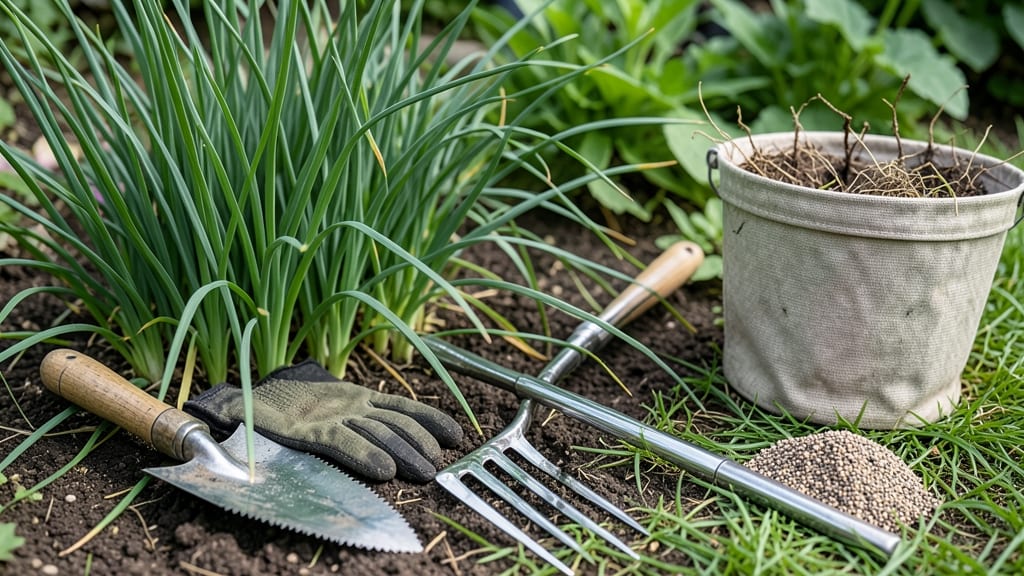
How to remove onion grass from your lawn turns your yard into a pungent battleground. 🌱 I've wrestled with these tenacious weeds for years, and I'll share the exact methods that pull them out by the roots—no herbicide needed. The key is timing, leverage, and persistence; these weeds don't give up easily, but neither should you. Manual extraction works best in early spring when soil is soft. Grab a garden fork and dig deep—those roots go down 12+ inches. Pull in one swift motion to avoid breaking the crown, and you'll see the whole clump come up. For stubborn patches, repeat weekly until the lawn looks clean. What you'll end up with is a lawn free of that sharp onion scent and those tough, fibrous clumps. The grass will recover faster than you think, and the relief of no more sneaky regrowth is worth the effort. Prevent future invasions by overseeding with dense, competitive grasses like tall fescue or ryegrass. They crowd out onion grass naturally, and your lawn stays thick and healthy. Here's how to tackle it step by step!
Root Causes Of Onion Grass Invasion
Onion grass—also known as world grass (Dichondra repens)—can turn your pristine lawn into a tangled mess if left unchecked. But why does it keep popping up where it’s not wanted?
Understanding the science behind its persistence helps you tackle it effectively. Here’s what’s really going on beneath the surface.
Onion grass thrives because it’s a prolific seeder. A single plant can produce hundreds of tiny, lightweight seeds that disperse easily via wind, water, or even lawn equipment.
These seeds germinate quickly in moist, shaded, or compacted soil—common conditions in many lawns. Once established, they form dense mats that crowd out grass, creating an almost impenetrable barrier.
Actionable insight: If you’ve noticed patches of onion grass in one area, check nearby spots—it’s likely already spreading. Regularly inspecting your lawn for early signs (like small, round leaves) can prevent a full-blown invasion.
Onion grass loves shade and moisture, making it a common nuisance in lawns with:
- Thin grass cover (letting sunlight hit the soil directly)
- Poor drainage (water pools, creating soggy pockets)
- Overwatering (keeps soil consistently damp, ideal for germination)
- Tree or shrub canopies (blocks sunlight, reducing competition)
Without direct sunlight, grass struggles to outcompete onion grass, giving it free rein to take over.
💡 Pro tip: If your lawn has shady areas, consider shade-tolerant grasses like fine fescue or creeping red fescue to naturally suppress onion grass before it starts.
Compacted soil smothers grass roots while creating a cozy environment for onion grass. When soil is packed down—from foot traffic, heavy machinery, or even pets—it:
- Reduces oxygen flow to grass roots (stressing them out)
- Traps moisture near the surface (onion grass’s favorite condition)
- Prevents water from draining properly (leading to root rot in grass)
Weak grass = more space for onion grass to move in and dominate.
✨ Solution: Aerate compacted areas in spring or fall to loosen soil, improve drainage, and give your grass a fighting chance. A core aerator pulls out small soil plugs, allowing air, water, and nutrients to reach deep roots.
Onion grass doesn’t just appear—people often help it along. Common ways it hitches a ride into your lawn include:
- Contaminated soil or mulch (from gardens, landscaping projects, or topsoil deliveries)
- Lawn equipment sharing (mowers, rakes, or aerators carrying seeds from infested areas)
- Birds or wildlife (spreading seeds via droppings or nesting materials)
- Improper disposal of clippings (if onion grass is already present, leaving clippings can spread seeds)
Even well-meaning practices—like using free mulch or borrowing tools—can introduce this invasive grass.
🎯 Prevention tip: Always clean equipment after use (especially mower decks and rakes) with a stiff brush or bleach solution to remove stuck-on seeds. If using new soil or mulch, inspect it for weeds before application.
Practical Fixes for Onion Grass
Onion grass (or wild onion) can turn your lush lawn into a patchwork of unwanted greenery, but with the right approach, you can reclaim your yard in no time. Below are targeted solutions based on the most common causes—plus prevention tips to keep your lawn healthy long-term.
If onion grass is spreading from seeds, manual removal is your best first line of defense. This method works best in small patches or early-stage infestations.
🔥 Step 1: Pull When Soil Is Damp
- Best time: Early morning or after rain (soil is soft and easier to remove).
- How to do it: Grasp the onion grass at the base and tug firmly.
The entire root should come out—if not, dig deeper with a trowel. - Pro tip: Wear gloves! Onion grass can irritate skin and release a strong odor when crushed.
🍳 Step 2: Smother Remaining Roots
- Cover the area with thick layers of cardboard or newspaper, then top with 2–3 inches of mulch or compost.
- Wait 4–6 weeks—this deprives remaining roots of sunlight and kills them off.
- Alternative: Use a dark tarp for faster results (but check weekly to prevent mold).
🌡️ Step 3: Replant with Grass Seed
Once the area is clear, aerate the soil and sow fresh grass seed. Water lightly daily until germination (about 7–14 days).
For larger patches where pulling isn’t practical, a natural herbicide like vinegar can work—but it requires precision.
⏰ Step 1: Choose the Right Vinegar
- Use: Full-strength white vinegar (5% acetic acid) or horticultural vinegar (20–30% acid) for stronger effects.
- Avoid: Apple cider vinegar—it’s too weak to kill onion grass effectively.
🔪 Step 2: Apply on a Sunny Day
- Mix: 1 gallon of vinegar + 1 cup of dish soap (helps it stick to leaves).
- Spray: Directly onto onion grass leaves (avoid spraying desirable plants—vinegar is non-selective!).
- Wait: 24–48 hours for wilting.
Repeat every 3–5 days until fully dead.
💡 Pro Tip:
- Best time to spray: Mid-morning when dew has dried but before evening (reduces evaporation).
- For stubborn patches: Follow up with a layer of corn gluten meal (a natural pre-emergent) to block new seeds.
If onion grass thrives because of poor soil or pest activity, fixing the root cause prevents regrowth.
🌱 Step 1: Test Your Soil
- pH check: Onion grass prefers slightly acidic to neutral soil (pH 6.0–7.0).
Test with a home kit or send a sample to a local extension office. - Adjust if needed: - Too acidic (below 6.0)? Add lime. - Too alkaline (above 7.0)? Use sulfur or peat moss.
🍽️ Step 2: Feed Your Lawn, Not the Weeds
- Fertilize properly: Use a slow-release, nitrogen-rich fertilizer (like 24-0-6) in early spring.
Onion grass thrives in nitrogen-poor soil, so giving your grass a boost starves it out. - Avoid overwatering: Keep soil moist but not soggy—onion grass loves damp conditions.
🐛 Step 3: Treat Grubs Naturally
- Beneficial nematodes: Apply Heterorhabditis bacteriophora (a microscopic worm) to the soil. They target grubs without harming plants.
- Neem oil spray: Mix 2 tbsp neem oil + 1 tsp dish soap per gallon of water.
Spray on soil to deter future grub activity.
Once you’ve removed onion grass, keep it from returning with these easy habits:
- 🌱 Mow high: Set your lawnmower to 3–4 inches—taller grass shades out weeds.
- 💧 Water deeply but less often: Encourages deep grass roots that outcompete weeds.
- 🔄 Overseed bare spots: Fill thin areas with grass seed in early fall.
- 🌿 Use pre-emergent in spring: Apply corn gluten meal or a synthetic pre-emergent (like pendimethalin) to block onion grass seeds.
- 🍂 Mulch garden beds: Prevents seeds from taking root near your lawn edges.
Final Note: Consistency is key! Onion grass is persistent, but with a combination of manual removal, soil improvements, and smart lawn care, you’ll see results in weeks—not years. 🚀
Frequently asked questions about removing onion grass
What's the best time of year to remove onion grass?
Target removal in early spring or fall when soil is soft and weeds are actively growing. Spring lets you catch new growth before seeds spread, while fall gives your grass time to recover before winter. Avoid summer heat, which stresses both weeds and grass.
Will vinegar really kill onion grass?
Yes, but only if you use the right strength! Horticultural vinegar (20-30% acid) works best—regular white vinegar may require multiple applications. Apply on sunny days when leaves are dry, and repeat every 3-5 days until fully browned. Just avoid spraying desirable plants—vinegar doesn't discriminate!
Why does onion grass keep coming back after I pull it?
Those roots run deep—often 12+ inches! If you don't get the entire root system, fragments regrow. Use a garden fork to dig deep, or smother remaining areas with thick cardboard/mulch for 4-6 weeks to starve out hidden roots. Patience is key—check weekly for new sprouts.
Can I use herbicide safely around pets?
Only if you choose pet-safe options like vinegar or corn gluten meal. Avoid synthetic herbicides containing 2,4-D or glyphosate for at least 72 hours before allowing pets back. For chemical solutions, opt for iron-based herbicides labeled as pet-friendly. Always follow label instructions carefully.
How can I prevent onion grass from spreading to other areas?
Clean all lawn equipment thoroughly after use with a stiff brush or bleach solution to remove stuck seeds. Collect and dispose of all pulled weeds (don't compost them!). Mow high (3-4 inches) to shade out new growth, and overseed bare spots with dense grass varieties like tall fescue to crowd out weeds naturally.