
Lawn
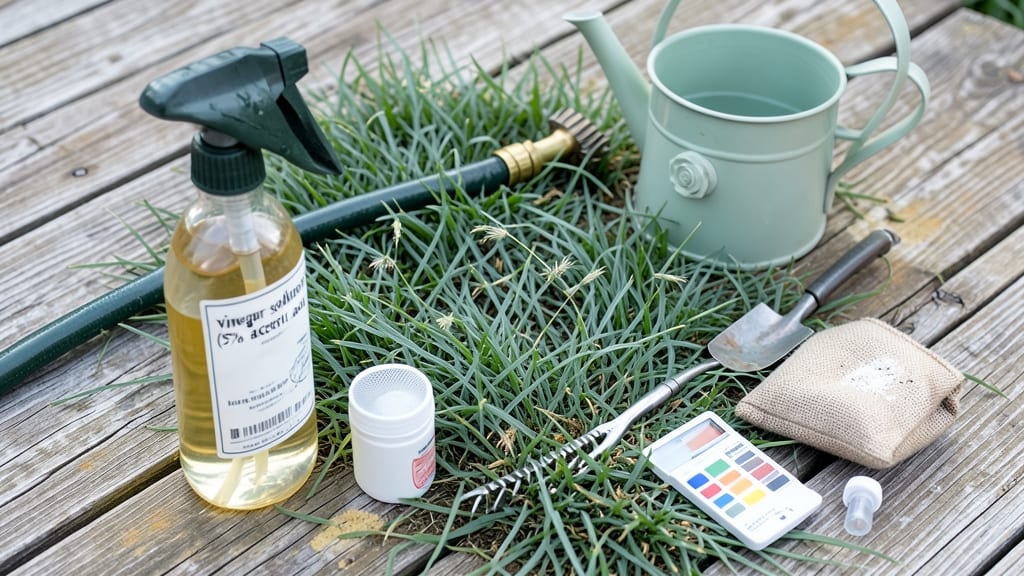
The fastest way to neutralise dog urine on lawn is to act within hours—before the nitrogen burns the roots and leaves those ugly yellow patches behind. 🌱 I've seen firsthand how that yellow streak ruins grass in hours—until I discovered this enzyme blend that breaks down the problem at the source.
Here's the game-changer: mix equal parts water and white vinegar in a spray bottle, then apply directly to affected areas. For stubborn spots, sprinkle baking soda first to neutralize the acidity before watering. Most lawns show improvement within 24-48 hours of treatment.
You'll end up with grass that stays green, smells fresh, and recovers from even the worst accidents. The enzyme blend actually helps the soil too—no more yellow patches or that lingering doggy odor that lingers after rain.
Works best when combined with training your dog to use specific spots (like near trees or gravel paths). The faster you act, the faster your lawn bounces back—no more guessing if that spot will ever grow grass again.
The Science Behind Dog Urine Damage
Dog urine isn’t just a stinky nuisance—it’s a chemical cocktail that turns your lush lawn into a patchwork of yellowed, brittle grass. But why does it happen?
The answer lies in the high ammonia and nitrogen content of urine, combined with its acidic pH, which creates a perfect storm for grass damage. Let’s break down the key culprits and how they wreak havoc on your lawn.
When your dog pees, their urine contains ammonia (NH₃), a byproduct of protein metabolism. While ammonia is harmless in small doses, concentrated dog urine delivers a highly alkaline (pH 7.5–9.0) shock to grass blades and roots. Here’s how it works:
- Direct cell damage: Ammonia disrupts the cell membranes in grass blades, causing them to brown and crisp almost instantly.
- Root suffocation: The alkaline environment blocks oxygen uptake in root zones, starving the grass of nutrients and water.
- Soil compaction: Frequent urination hardens soil around the spot, preventing new roots from growing.
Actionable insight: The longer urine sits, the worse the damage—ammonia evaporates within 24–48 hours, but the residual nitrogen and salts linger, continuing to harm the lawn.
While fresh dog urine is alkaline, it quickly converts to uric acid (a weak acid) as it reacts with soil bacteria. This pH shift—from basic to acidic (pH 5.5–6.5)—creates a double whammy:
- Nutrient lockout: Acidic soil binds essential nutrients like nitrogen, phosphorus, and potassium, making them unavailable to grass roots.
- Microbe die-off: Beneficial soil bacteria and fungi succumb to the acidic environment, breaking down the soil’s structure and reducing organic matter.
- Weakened grass immunity: Acidic conditions stress grass plants, making them more susceptible to disease and pests.
Pro tip: Test your soil’s pH—if it’s below 6.0 near urine spots, your lawn is chronically starved of nutrients, even with fertilizer.
Dog urine isn’t just water—it’s a salty solution containing sodium, potassium, and magnesium chloride. When urine evaporates, these salts crystallize in the soil, creating a hard, impermeable crust that:
- Blocks water absorption: Rain or irrigation runs off instead of soaking in, leaving the grass drought-stressed.
- Chokes roots: The crust restricts oxygen flow, suffocating roots and promoting fungal growth (like Fusarium, a common lawn pathogen).
- Alters soil structure: Over time, salt buildup disrupts soil aggregates, turning fertile topsoil into a compacted, clay-like layer.
Key fact: Salts can persist in soil for months or even years if not flushed out with deep watering or gypsum treatments.
Dog urine is a buffet for soil bacteria. While some microbes break down ammonia and uric acid, others thrive on the excess nitrogen, leading to:
- Odor-producing bacteria: Pseudomonas and Proteus species metabolize urine, releasing hydrogen sulfide (rotten egg smell) and indole (fecal odor).
- Grass pathogens: Fungi like Rhizoctonia and Pyricularia exploit weakened grass from urine damage, causing brown patches and thinning.
- Nutrient competition: Bacteria outcompete grass roots for nitrogen, leaving your lawn yellow and stunted.
Solution focus: Enzyme-based treatments (like those with urease and protease) accelerate urine breakdown, starving odor-causing bacteria and restoring soil balance.
Bottom line: Dog urine damage isn’t just about the smell—it’s a multi-step chemical and biological attack on your lawn. The good news? Understanding these mechanisms helps you target the right fixes (like pH balancers, deep watering, and enzyme treatments) to reverse the damage and keep your grass healthy.
Quick Fixes for Dog Urine Damage
Dog urine can turn your lush lawn into a patchy, smelly eyesore—but the good news is that with the right approach, you can neutralize the odor, restore grass growth, and prevent future damage.
Below are targeted solutions based on the root cause of the problem, from immediate fixes to long-term prevention. Let’s turn that yellow stain back into green!
If your lawn has developed brown or yellow patches where your dog frequently urinates, the ammonia in the urine has likely burned the grass. Here’s how to revive it:
#### 1️⃣ Flush the Area with Water 💦 - Why it works: Diluting the urine reduces ammonia concentration, giving your grass a fighting chance. - How to do it: - Use a garden hose to thoroughly soak the affected area for at least 10–15 minutes. - Repeat daily for 3–5 days until the urine is fully diluted. - Pro tip: 💡 Use a rain gauge or timer to ensure even watering—overwatering can cause other issues! #### 2️⃣ Apply a Neutralizing Enzyme Spray 🧪 - Why it works: Enzyme-based products (like those with bacteria or fungi) break down uric acid and ammonia at a molecular level. - How to do it: - Choose a pet-safe enzyme cleaner (look for urease enzymes or microorganisms). - Spray the solution directly onto the damp grass (after watering). - Let it sit for 24–48 hours before mowing or walking on the area. - Repeat weekly until the patch regrows. #### 3️⃣ Overseed the Damaged Patch 🌱 - Why it works: If the grass is already dead, new seeds will fill in the gaps faster than waiting for regrowth. - How to do it: - Rake the yellowed area gently to loosen soil. - Sprinkle grass seed (match the type to your lawn) and lightly cover with soil. - Water lightly but frequently (keep soil moist for 2–3 weeks). - Pro tip: ✨ Use a starter fertilizer to boost seed germination—just follow package instructions!Even if the grass looks fine, urine smells can linger for weeks or months. Here’s how to eliminate them without harsh chemicals:
#### 1️⃣ Vinegar and Baking Soda Rinse 🍶 - Why it works: Vinegar neutralizes odors, while baking soda balances pH. - How to do it: - Mix 1 gallon of water + 1 cup white vinegar + ½ cup baking soda. - Spray the solution onto the affected area and let it dry. - Repeat 2–3 times if the smell persists. - Caution: 🌡️ Avoid using vinegar on newly seeded areas—it can inhibit germination. #### 2️⃣ Coffee Grounds or Compost Tea 🫖 - Why it works: Coffee grounds and compost tea introduce beneficial microbes that break down urine compounds naturally. - How to do it: - Option 1: Sprinkle used coffee grounds over the area and water in. - Option 2: Brew compost tea (steep compost in water for 24–48 hours, strain, and apply). - Pro tip: 🎯 For best results, apply in the morning so the soil has time to absorb nutrients before evening watering. #### 3️⃣ Commercial Urine Neutralizers 🛒 - Why it works: Products like Nature’s Miracle or Simple Solution contain enzymes that digest urine components quickly. - How to do it: - Follow the product instructions (usually spray and let dry). - Best for: Heavy odor issues or large yards where DIY methods fall short.The best way to keep your lawn green and odor-free? Stop the problem before it starts. Try these proactive strategies:
#### 1️⃣ Train Your Dog to Pee in Designated Spots 🐕 - Why it works: Redirecting your dog’s bathroom breaks to a gravel area, artificial turf, or mulch bed protects your lawn. - How to do it: - Use a command word (like “go potty”) and reward treats when they use the designated spot. - Clean accidents immediately with an enzyme cleaner to avoid reinforcing the habit. #### 2️⃣ Dilute Urine on the Spot 💧 - Why it works: The longer urine sits, the more damage it causes. Diluting it right after your dog goes reduces burns and odors. - How to do it: - Keep a garden hose or spray bottle nearby. - After your dog finishes, rinse the area with water for 30 seconds. #### 3️⃣ Adjust Watering and Fertilizing 🌧️ - Why it works: Healthy grass recovers faster from urine damage. - How to do it: - Water deeply but infrequently (1–1.5 inches per week) to encourage deep roots. - Avoid nitrogen-heavy fertilizers in high-traffic dog areas—they can make grass more susceptible to burns. - Pro tip: 💡 Mow high (3–4 inches) to shade roots and retain moisture. #### 4️⃣ Use a Dog-Friendly Lawn Alternative 🌿 - Why it works: Some grasses are more resilient to urine than others. - Best options: - Buffalo grass (drought-resistant and urine-tolerant). - Fescue (hardy and recovers well from damage). - Clover mixes (nitrogen-fixing and less prone to burns).With these solutions, you’ll see faster grass recovery, no more stinky surprises, and a lawn that stays lush—even with a curious pup. Start with the fixes that match your problem, then lock in those prevention tips for long-term success. Happy gardening! 🌱🐶
Frequently asked questions
Why does dog urine turn grass yellow?
The ammonia in dog urine creates a highly alkaline environment that burns grass blades and blocks root oxygen. Within 24-48 hours, the nitrogen converts to uric acid, further stressing the grass. The longer it sits, the worse the damage becomes.
Can I use household items to neutralize dog urine?
Yes! Mix 1 gallon water + 1 cup white vinegar + ½ cup baking soda in a spray bottle. Apply to affected areas and let dry. For stubborn smells, used coffee grounds or compost tea work too. Just avoid vinegar on new grass seed.
How long does it take to restore grass after urine damage?
With immediate treatment (water + enzyme spray), you'll see improvement in 3-5 days. For dead patches, overseeding takes 2-3 weeks for new grass to establish. The key is acting within 24 hours of the accident.
Will my dog's urine eventually stop damaging my lawn?
Not without intervention. Even if your dog stops peeing in the same spots, the soil chemistry changes permanently. The salts and altered pH create long-term damage. Regular enzyme treatments and proper lawn care can help, but prevention (like designated pee spots) is best.
What's the best grass type for dog owners?
Buffalo grass and fescue are most resilient. Clover mixes also work well because they're nitrogen-fixing and less prone to burns. For existing lawns, overseeding with these types can improve urine resistance over time.