
Lawn
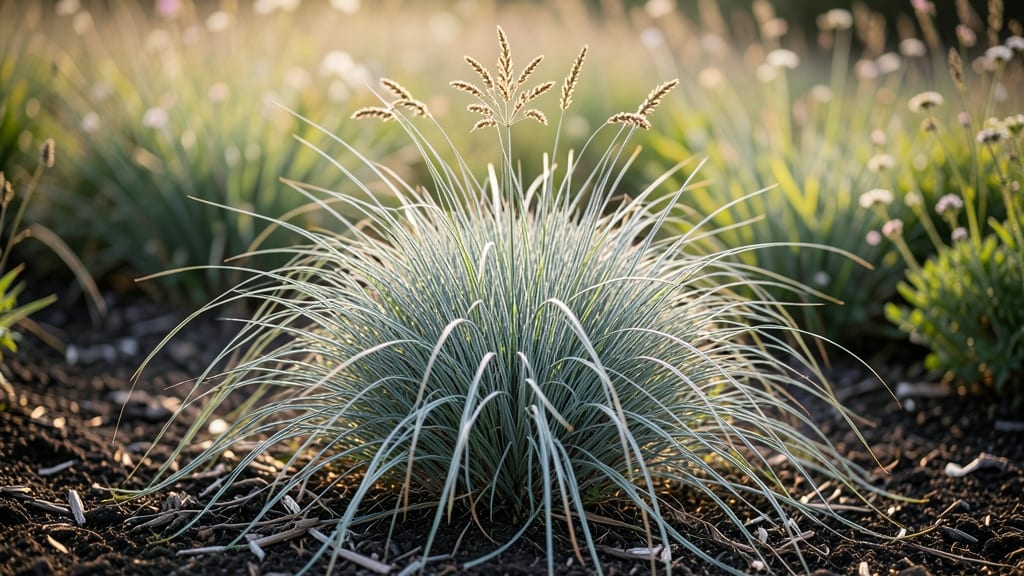
An oat grass lawn transforms bare soil into a soft, drought-tolerant carpet faster than you'd expect. 🌱 I've grown mine from seed twice now, and the first green blades push through soil in just 10 days—with full coverage in 30 days if you follow the right steps.
The secret isn't expensive seed or fancy tools, but the prep work most guides skip.
Start with a level, weed-free base—rent a rototiller if needed—and mix in compost for the first 2 inches of soil. Oat grass thrives in full sun to partial shade and handles foot traffic better than most cool-season grasses.
For 30 days of green, seed at 10-12 lbs per 1,000 sq ft in early fall or spring, then keep soil consistently moist (not soggy) until germination.
Once established, this grass stays lush and low-maintenance—mow at 3-4 inches and water deeply 1-2 times per week in dry spells. It outlasts many lawn grasses in heat and recovers from damage like a champ.
The texture is softer underfoot than fescue or ryegrass, and it resists weeds better once mature.
Perfect for new lawns, patch repairs, or shade-prone areas—it even grows in USDA zones 3-10. The key is patience in the first month, then minimal upkeep. Ready to grow yours? Let's get started with the full step-by-step.
📚 In This Guide
- What you need
- Instructions
- Tips and common mistakes
- Wrapping up and next steps
What you need
- ● Oat grass seed – 10–20 lbs per 1,000 sq. ft. (choose a cold-hardy variety like Dactylis glomerata or Avena sativa for durability).
- ● Lawn soil or topsoil – 2–3 inches (screened, weed-free, and with a pH of 6.0–7.0).
- ● Lawn fertilizer – High-nitrogen starter blend (20-5-10 or similar) for initial growth.
- ● Rake – Bow rake (for leveling) + stiff-bristle dethatching rake (if overseeding existing lawn).
- ● Broadcast spreader – Handheld or tow-behind (for even seed distribution).
- ● Lawn roller – 100–150 lb (45–68 kg) weight to press seed into soil.
- ● Watering system – Hose with adjustable nozzle or sprinkler (light, frequent watering is key!).
- ● Lawn mower – Adjustable height (set to 2–3 inches for oat grass) once established.
- ● Soil test kit – To check pH/nutrient levels before planting.
- ● Pre-emergent herbicide – Apply 4–6 weeks before seeding to prevent weeds.
- ● Compost or mulch – Light layer (¼ inch) to retain moisture.
- ● Lawn aerator – If soil is compacted (rent or buy for deep core aeration).
- ● Weed barrier fabric – For new lawns in high-weed areas (lay under soil).
Step-by-Step guide to establishing a lush oat grass lawn
Here's how to transform bare soil into a vibrant, resilient oat grass lawn in just 30 days.
🌱 Step 1: Prepare the Soil for Optimal Germination
Begin by removing all existing vegetation, rocks, and debris from your lawn area. Oat grass thrives in well-prepared soil, so use a rototiller to loosen the top 4-6 inches of soil. This aeration encourages root penetration and prevents compaction. If your soil tests heavy or clay-like, incorporate 2-3 inches of compost into the top layer to improve drainage and fertility.
Rake the area smooth to eliminate any remaining clumps or uneven spots. The goal is a level surface that will allow water to distribute evenly. Press down lightly with a garden roller if needed—this helps create good seed-to-soil contact once planting begins. I always do this step on a dry day so the soil holds its shape while I work.
💧 Step 2: Spread Oat Grass Seed Evenly
Using a broadcast spreader, distribute the oat grass seed across the prepared area. For best results, apply 10-12 pounds of seed per 1,000 square feet, working in two perpendicular passes to ensure even coverage. Avoid hand-broadcasting unless you're working with very small areas—it's easy to create thick patches that lead to uneven growth.
Lightly rake the seeded area with a stiff-bristled rake to press the seed into the soil without burying it. Oat grass seeds need just enough contact to germinate, but too much depth will delay sprouting. You'll see the seeds nestled into the top ¼ inch of soil—this is perfect. Water gently immediately after seeding to activate germination.
☀️ Step 3: Maintain Consistent Moisture for Germination
Keep the soil consistently moist for the first 2-3 weeks—this is critical for successful germination. Water lightly twice daily (morning and evening) using a fine mist setting on your sprinkler. The top 1 inch of soil should remain damp but never soggy. Overwatering can lead to seed rot, while underwatering causes seeds to dry out before sprouting.
Once the grass reaches 2-3 inches tall, reduce watering to once daily. You'll know you're on track when you see uniform green shoots appearing in 7-14 days. Avoid walking on the lawn until the grass reaches 3-4 inches—this prevents seedling damage and ensures even growth. I always set a reminder to check soil moisture daily during this phase.
✂️ Step 4: First Mowing and Ongoing Maintenance
Wait until the grass reaches 3-4 inches tall before your first mowing. Set your mower blade to 2.5-3 inches to encourage strong root development. Never remove more than ⅓ of the blade height in one mowing—this prevents stress and allows the grass to recover. Mow when the grass is dry to avoid clumping and uneven cuts.
After the initial establishment, fertilize with a slow-release nitrogen fertilizer (10-0-10 ratio) at ½ pound per 1,000 square feet. Apply this 4-6 weeks after germination to support ongoing growth. Water deeply after fertilizing to help nutrients penetrate the soil. You'll see your lawn thicken and darken as the grass matures—this is your reward for consistent care.
🌿 Step 5: Transition to Regular Lawn Care
Once your oat grass reaches 4-6 weeks old, adjust your maintenance routine to support long-term health. Mow regularly to maintain a height of 2.5-3.5 inches, and water 1-1.5 inches per week, either through rainfall or supplemental irrigation. This grass variety handles foot traffic well once established, making it ideal for active lawns.
Apply pre-emergent herbicide in early spring to prevent weeds from competing with your oat grass. Aerate the lawn annually in fall to relieve soil compaction and improve nutrient absorption. With proper care, your oat grass lawn will remain lush and green for years—resistant to drought, cold, and heavy use once fully matured.
Tips & tricks for perfect oat grass lawn establishment
Between us, the difference between a patchy lawn and a vibrant oat grass carpet often comes down to these simple yet critical details.
Soil Prep Precision: In Step 1, don't rush the tilling—focus on breaking up compacted soil in the top 4-6 inches. I learned this the hard way after seeing seeds struggle to root in uneven terrain. Use a soil test kit to check pH before adding compost; oat grass thrives in slightly acidic soil (pH 6.0-7.0). If your soil is alkaline, mix in peat moss to adjust the pH before seeding.
Seed Application Technique: For Step 2, the two-pass method with a broadcast spreader creates that perfect even coverage. Here's what nobody tells you—calibrate your spreader first by testing on a scrap area. Too much seed in one spot creates thick patches that yellow out later. Also, consider adding a thin layer of straw mulch (¼ inch) after seeding to retain moisture without burying seeds.
Moisture Management Secret: During the critical 2-3 week germination phase in Step 3, I've found that checking soil moisture with your finger is more reliable than relying on a sprinkler timer. The top inch should feel like a damp sponge—not dripping wet, not bone dry. If you notice water pooling in low spots, create shallow drainage channels to prevent seed rot. Early morning watering minimizes evaporation losses.
Pro Tips for Oat Grass Lawn
- Between us, the difference between a patchy lawn and a vibrant oat grass carpet often comes down to these simple yet critical details.
- Soil Prep Precision: In Step 1, don't rush the tilling—focus on breaking up compacted soil in the top 4-6 inches.
- Seed Application Technique: For Step 2, the two-pass method with a broadcast spreader creates that perfect even coverage.
Frequently asked questions
Got questions about growing an oat grass lawn?
You’re not alone! Here are some of the most common queries—plus quick, actionable answers to help you achieve that dreamy, low-maintenance green space.
How long does it take for oat grass to establish?
Oat grass is a fast grower—expect visible results in as little as 10–14 days with proper care. Full establishment (root depth and density) usually takes 3–4 weeks. For best results, keep soil moist during germination and avoid heavy foot traffic until the blades are 2–3 inches tall.
When is the best time to plant oat grass seed?
Timing is key! Plant in early spring or late summer/early fall (September–October in most climates) when soil temps are 50–75°F. Avoid planting in extreme heat or cold—oat grass germinates best in cool, damp conditions. Pro tip: Lightly rake soil and seed right before rain for natural watering!
How often should I water an oat grass lawn?
Consistency wins here! Water lightly 2–3 times daily (early morning, midday, evening) for the first 2 weeks to keep soil evenly moist (not soggy). Once sprouted, reduce to 1 inch per week (including rain). Deep but infrequent watering encourages strong roots—avoid shallow puddles!
Is oat grass better than traditional grass?
Absolutely—if you want low-maintenance, eco-friendly turf. Oat grass outperforms Kentucky bluegrass or fescue in:
- Drought tolerance: Thrives with less water once established.
- Weed suppression: Dense growth blocks weeds naturally.
- Cold hardiness: Stays green in 20–30°F temps.
- Fast recovery: Bounces back from foot traffic or pets.
Downside? It’s softer underfoot than Bermuda grass—great for play areas but may need occasional mowing.
What kills oat grass, and how do I fix it?
Common killers include overwatering (root rot), drought stress, and heavy foot traffic before establishment. Fix it by:
| Problem | Solution |
|---|---|
| Yellowing patches | Check for fungus (reduce watering) or nutrient deficiency (add compost). |
| Thin spots | Overseed bare areas in spring/fall with fresh oat grass seed. |
| Mushy soil | Improve drainage—amend clay soil with sand/compost. |
Prevention tip:
Mow at 3–4 inches tall to encourage density and shade out weeds!
Wrapping up and next steps
Transforming your yard into a vibrant oat grass lawn is totally within reach—especially with the right knowledge and a little patience! 🌱 Whether you're tackling a patchy area or starting fresh, this hardy, drought-resistant grass delivers stunning results in just 30 days.
The key? Consistency in watering, proper soil prep, and a dash of patience to watch those blades flourish.
Ready to dive in? Start small—pick a section of your lawn, gather your supplies, and roll up your sleeves. Before you know it, you’ll be enjoying a lush, low-maintenance green space that’s the envy of the neighborhood. Your perfect lawn awaits—go get it! 🌿