
Lawn
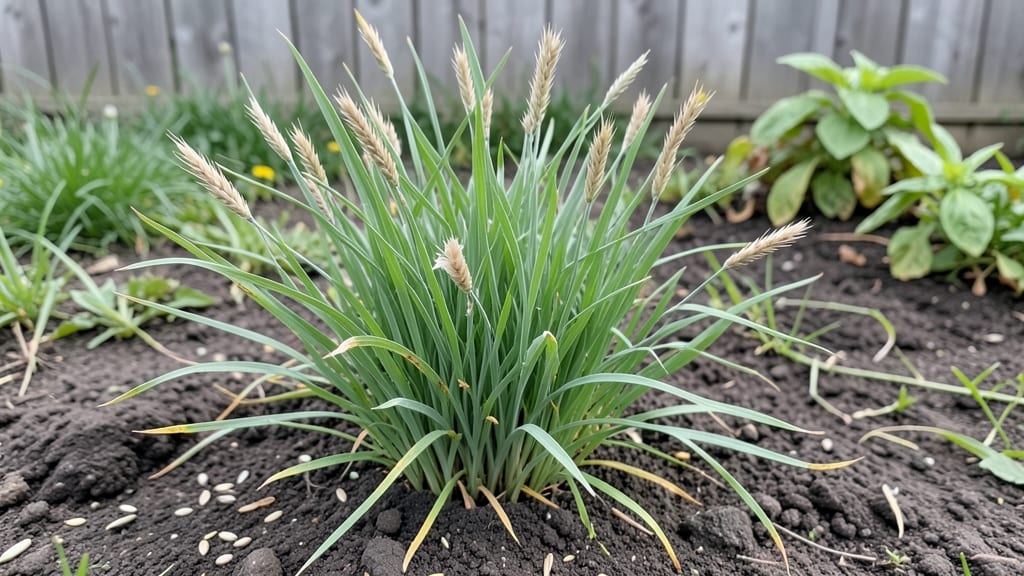
Growing oat seed grass 🌾 is one of the fastest ways to transform bare soil into a weed-free, nutrient-rich foundation for your garden.
Picture this: you plant the seeds in early spring, and within 10 days, they’re already choking out weeds while their roots break up compacted earth. That’s the power of oat seed grass—a cover crop that works so well, even beginners see results.
This hardy annual thrives in zone 6a and beyond, making it perfect for spring planting. It doesn’t just suppress weeds; it also adds organic matter to the soil, making future planting easier and more productive.
In this guide, I’ll walk you through everything from planting timing and seed depth to maintenance tips and when to till it under for maximum soil health. Ready to grow a greener, healthier garden?

Why oat seed grass stands out as a fast-germinating cover crop
If you're tired of battling weeds or dealing with compacted, nutrient-poor soil, oat seed grass (Avena sativa) might be your new best friend. This cover crop isn't just fast—it's a powerhouse that germinates in just 5–10 days, outpacing many competitors.
Unlike slow-starting clover or ryegrass, oats create a dense ground cover that smothers weeds while adding organic matter to your soil. The best part? It thrives in cooler climates and can even be grown in late summer for a fall planting window.
What makes oat seed grass truly special is its dual-purpose role. It acts as both a living mulch and a soil conditioner, preventing erosion while improving structure. Plus, its rapid growth means you won’t spend months waiting for results.
Whether you're prepping for a vegetable garden or restoring a tired lawn, oats deliver quick, visible improvements. Let’s break down why it outperforms other cover crops and how you can leverage its benefits.
🌾
| Cover Crop | Germination Time | Weed Suppression | Soil Erosion Control | Nitrogen Fixation | Best Season |
|---|---|---|---|---|---|
| Oat Seed Grass | 5–10 days | Excellent (dense growth) | High (deep root system) | Moderate (adds organic matter) | Spring/Fall |
| Clover (Red/White) | 10–21 days | Good (slow but persistent) | Moderate (shallow roots) | High (fixes nitrogen) | Spring/Summer |
| Ryegrass (Annual) | 7–14 days | Very High (aggressive spread) | Excellent (deep roots) | Low (minimal nitrogen) | Fall/Winter |
| Winter Rye | 7–21 days | Good (cold-hardy) | High (prevents runoff) | Low (minimal nitrogen) | Fall/Winter |
Looking at the table, you’ll notice oat seed grass leads in speed and weed suppression, making it ideal for quick results. While clover excels at nitrogen fixation, it lags behind in germination time and erosion control.
Ryegrass, on the other hand, is a winter powerhouse but lacks nitrogen benefits. Oats strike a balance, offering fast growth, erosion prevention, and organic matter addition—perfect for gardeners who need immediate soil improvement.
One of the most underrated benefits of oat seed grass is its ability to break up compacted soil. Its fibrous roots loosen the earth, improving aeration and water infiltration. This is especially valuable in urban gardens or high-traffic areas where soil gets trampled.
Unlike clover, which can struggle in dense soils, oats thrive in compacted conditions, making them a versatile choice for almost any garden.
Another standout feature is oat seed grass’s tolerance for cooler temperatures. While ryegrass dominates in winter, oats perform well in early spring or late fall, giving you flexibility.
This means you can plant oats as soon as the soil is workable in spring or even in late summer for a fall cover. It’s a low-maintenance solution that doesn’t require precise timing like some other cover crops.
For gardeners concerned about soil erosion, oat seed grass is a game-changer. Its deep root system stabilizes soil, reducing runoff and preventing topsoil loss during heavy rains. This is particularly useful on sloped gardens or bare patches where erosion is a risk.
Unlike shallow-rooted clover, oats create a robust network that holds soil in place while improving its structure over time.
If you're aiming for a multi-season cover crop strategy, oat seed grass fits seamlessly into rotations. Plant it in early spring for summer weed control, then follow up with a legume like clover in late summer to fix nitrogen.
This two-pronged approach ensures your soil stays healthy year-round without relying on synthetic fertilizers. The key is to till oats under before they seed to prevent volunteer growth in subsequent seasons.
Finally, oat seed grass is incredibly budget-friendly and easy to source. You can buy seeds from most garden centers or even harvest them from existing oat plants. Unlike specialty cover crops, oats are widely available and won’t break the bank.
For large gardens or farms, this affordability makes them a practical choice for long-term soil health.
🌱
How to plant and maintain oat seed grass for maximum soil health
Oat seed grass is one of the easiest and fastest cover crops to grow, making it perfect for spring planting in zone 6a or warmer. Its rapid germination—often within 5-10 days—means you’ll see results quickly, suppressing weeds and improving soil structure before your main crops even go in.
The key to success lies in proper soil preparation, precise seeding rates, and consistent watering.
Unlike slow-growing cover crops, oat seed grass thrives in full sun and tolerates a range of soil types, though it performs best in well-drained, slightly acidic soil. If you’re new to cover crops, don’t worry—this hardy grass is forgiving and requires minimal maintenance.
The real magic happens when you till it under at the right time, turning its lush growth into organic matter for your garden.
Step-by-Step Guide to Planting Oat Seed Grass
- Step 1: Choose the Right Time – Plant oat seed grass in early spring (March-April) or early fall (September-October) for best results. Avoid planting after the last frost in zone 6a to ensure strong germination.
- Step 2: Prepare the Soil – Clear the area of debris and loosen the top 2-3 inches of soil. Oat seed grass grows well in most soils but prefers slightly acidic conditions (pH 6.0-7.0). Add compost if your soil is poor.
- Step 3: Seed Depth and Spacing – Plant seeds ½ inch deep and 6-12 inches apart in rows spaced 12-18 inches apart. Use a broadcast spreader for large areas to ensure even coverage.
- Step 4: Water Thoroughly – Keep the soil consistently moist until germination (about 10-14 days). Water deeply 2-3 times per week during dry spells to encourage strong root growth.
- Step 5: Monitor for Weeds – Oat seed grass will suppress weeds naturally, but check for invasive species early. Hand-pull any weeds that emerge before they compete with your cover crop.
- Step 6: Fertilize Lightly (Optional) – If your soil is nutrient-poor, apply a balanced fertilizer (10-10-10) at planting and again after 4-6 weeks. Avoid over-fertilizing, as oats are not heavy feeders.
- Step 7: Till Under at Peak Growth – When the grass reaches 3-4 feet tall (usually late summer), mow it down and till it into the soil. This adds organic matter and improves soil structure for future planting.
One of the biggest mistakes beginners make is planting too late in the season, which can lead to weak growth and poor weed suppression.
Another common error is overwatering once the grass is established—oat seed grass is drought-tolerant once its roots are deep, so let the top inch of soil dry out between waterings in summer months.
If you’re using oat seed grass as a winter cover crop, plant it in late summer (August-September) to establish before the first frost. It will die back in winter but leave behind improved soil structure and reduced weeds for spring planting.
For spring planting, aim to till it under by early summer to avoid seed shattering, which can lead to unwanted reseeding.
For maximum soil health, consider interplanting oat seed grass with a legume like clover. While oats suppress weeds and add organic matter, clover fixes nitrogen in the soil, creating a powerful duo for year-round soil improvement.
Just be sure to till them under together at the right time to preserve all the benefits.
With these steps, your oat seed grass will transform bare soil into a lush, weed-free garden bed in no time—setting you up for a more productive growing season ahead. 🌱