
Lawn
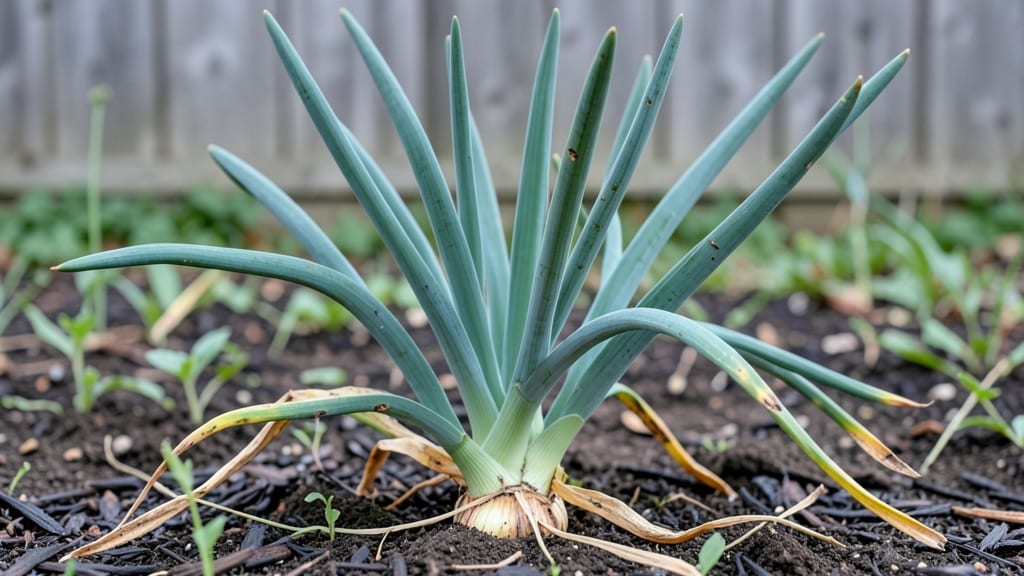
Growing an onion grass plant 🌿 in your lawn might sound simple, but this resilient perennial has a knack for popping up where you least expect it.
If you’ve ever noticed thin, grass-like blades sprouting in your lawn—only to realize they’re not actually grass—you might be dealing with onion grass, a persistent (and sometimes unwelcome) plant that thrives in sunny lawns across the U.S.
What makes onion grass tricky is its ability to spread aggressively, crowding out your desired turf. But here’s the good news: with the right approach, you can either manage it naturally or even put it to work as a low-maintenance ground cover.
Below, I’ll walk you through everything from planting and care to organic control methods, so you can decide whether to embrace or eliminate this hardy grass-like plant in your yard.

How to identify and understand onion grass plant growth habits
If you’ve spotted thin, wiry blades with a onion-like scent when crushed, you’re likely dealing with onion grass (Worlderia spp.), not regular lawn grass. This perennial weed thrives in sunny yards, often popping up in compacted soil or thin turf.
Unlike Kentucky bluegrass or fescue, onion grass grows in clumps rather than spreading horizontally.
One key identifier is its hollow, cylindrical stems and linear leaves that grow up to 12 inches tall. The plant’s aggressive spread comes from its extensive rhizome system, which stores nutrients and sends up new shoots. This makes it harder to eradicate than annual weeds.
Onion grass prefers well-drained soil with a pH between 6.0 and 7.5, though it tolerates poorer conditions. It’s most active in spring and fall, when temperatures are mild and moisture is consistent. In summer, it may go dormant in extreme heat, only to rebound when conditions improve.
Here’s how it compares to common lawn grasses:
The aggressive spread of onion grass stems from its ability to regenerate from even small rhizome fragments. When you mow or till, you risk spreading these fragments deeper into your lawn.
Unlike cool-season grasses, onion grass doesn’t form a dense turf, leaving bare spots that invite weeds or soil erosion.
In spring, onion grass sends up new shoots rapidly, often outcompeting desirable grasses for nutrients. By late summer, it may turn brown if moisture drops, but its roots remain active underground. This explains why it’s so hard to kill—even if the top growth dies back, the rhizomes persist.
To confirm you’re dealing with onion grass, perform a simple test: crush a leaf between your fingers. If it releases a mild onion scent, that’s your telltale sign.
This scent comes from sulfur compounds, which also deter some pests but attract others, like onion flies, which lay eggs near the base of the plant.
Understanding its growth cycle is key to control. Onion grass grows fastest when soil temperatures hit 60–75°F. In USDA Zones 6–9, it’s most problematic from March to October.
Outside this window, its growth slows, making late fall or early spring the best times to target it before it spreads.
One reason onion grass thrives in lawns is its low water needs. While it prefers moderate moisture, it tolerates drought better than many ornamental grasses.
This adaptability lets it survive in compacted or poor soil, where turfgrass often struggles. If your lawn has thin patches, onion grass will fill them quickly.
For gardeners, recognizing onion grass early can save hours of frustration later. Start by inspecting bare or thin areas of your lawn—these are prime spots for onion grass to take hold. If you spot clumps of wiry, onion-scented blades, act fast to prevent its rhizomes from spreading further.
Natural methods to control onion grass without chemicals
Onion grass (Worlderia spp.) can turn your well-manicured lawn into a battleground if left unchecked. Unlike regular grass, it spreads aggressively through underground rhizomes, making it resilient to standard lawn care.
The good news? You can manage it naturally without resorting to harsh chemicals. Let’s explore effective organic methods to reclaim your lawn while keeping your yard healthy and chemical-free.
Before diving into solutions, it’s important to understand why onion grass thrives. It loves full sun, well-drained soil, and minimal competition from other plants. Once established, it can outcompete desirable grasses, leaving patchy, weak lawns.
The key to control lies in disrupting its growth cycle and promoting healthier grass or ground cover instead.
Onion grass reproduces via rhizomes, meaning even small patches can expand rapidly. If you spot it early, act quickly—delaying treatment allows it to establish deeper roots, making removal harder. Manual removal is most effective when the soil is moist, so plan your efforts after rain or thorough watering.
Start with manual removal, the most reliable short-term solution. Use a hand weeder or digging fork to pull out entire plants, including their rhizomes. Work in small sections to avoid missing fragments, which can regrow.
This method works best in early spring or fall when onion grass is actively growing but hasn’t yet spread extensively.
For larger infestations, try a vinegar-based spray. Mix 1 gallon of white vinegar (5% acetic acid) with 1 ounce of dish soap to help it stick.
Spray directly on onion grass on a sunny, wind-free day—the vinegar burns the leaves, but repeated applications are needed to weaken the plant’s root system. Test a small area first, as vinegar can also harm nearby plants.
Long-term suppression involves cultural practices like overseeding with competitive grasses such as fine fescue or creeping red fescue. These grasses grow densely, shading out onion grass. Adjust your mowing height to 3-4 inches to strengthen desirable grass while weakening onion grass, which struggles in taller turf.
Regular aeration and topdressing with compost also improve soil health, giving your lawn a fighting chance.
Finally, consider smothering stubborn patches with cardboard or thick mulch. Cover the area for 4-6 weeks to block sunlight, starving the rhizomes of energy. Remove the smothering material and reseed afterward.
Combine these methods for the best results—patience and persistence are key to winning the battle against onion grass naturally.