
Lawn
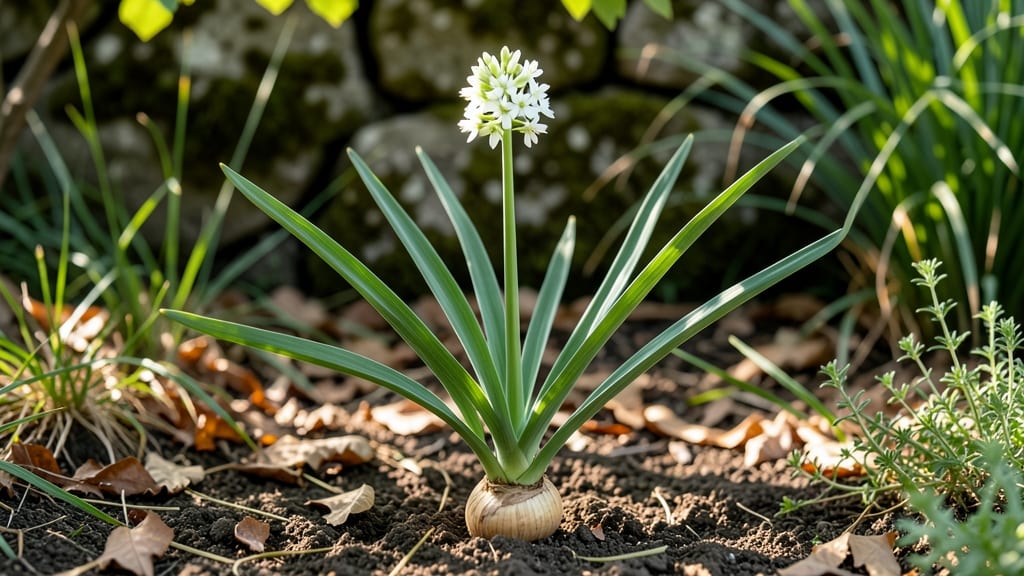
Onion weed in lawns turns your grass into a pungent patchwork of thin green blades and sharp-edged invaders. 🌱 I’ve wrestled with these tenacious plants for years—until I discovered the one-weekend hack that clears them without resorting to harsh chemicals.
The secret? Timing, tools, and a little elbow grease. This method works best in spring or fall when weeds are actively growing but before they seed. You’ll need a sharp spade, a bucket of soapy water (to trap pulled weeds), and a 3-step process that ensures they don’t regrow.
No more hiding in your lawn or creeping into your vegetable garden. By Sunday evening, your lawn will look thick, green, and weed-free—no more sneezing fits or accidental onion-flavored salads. The best part? This approach keeps your soil healthy and your lawn lush without toxic residues.
For stubborn patches or large yards, I’ll share preventative strategies that stop regrowth for good. Let’s reclaim your lawn—naturally and efficiently.
Why it happens
Onion weed—scientifically known as Allium vineale—doesn’t just appear out of nowhere. This hardy perennial thrives in lawns due to a mix of environmental conditions, human habits, and even soil chemistry.
Understanding these triggers is the first step to preventing its takeover. Let’s break down the real reasons onion weed crashes your lawn party.
Onion weed loves soil that’s either too compacted or nutrient-deficient. Here’s why:
- Compacted Soil: Heavy foot traffic, machinery, or clay-heavy dirt smothers grass roots, leaving bare patches. Onion weed seeds seize the opportunity, germinating in these weak spots where grass struggles to compete.
- Low Nitrogen: Grass needs nitrogen to grow thick and lush. When lawns are starved of this nutrient (common in overwatered or poorly fertilized yards), onion weed thrives in the gaps. It’s a nitrogen-efficient weed, meaning it outcompetes grass for what little is available.
- High pH Levels: Soil with a pH above 7.0 (alkaline) inhibits grass growth but suits onion weed. If your lawn’s pH is unchecked, you’re basically handing it a golden ticket.
Actionable Fix: Test your soil’s pH and nutrient levels (DIY kits are cheap!). Aerate compacted areas in fall and top-dress with compost to restore balance.
Onion weed has a deep taproot system that lets it access water far below the surface—far deeper than most lawn grasses. When you overwater:
- You create a moisture-rich environment that onion weed adores, while shallow-rooted grass drowns or suffocates.
- You leach out nutrients faster, leaving soil depleted and prime for weed invasion.
- You wash away beneficial microbes that help grass outcompete weeds naturally.
Actionable Fix: Water deeply but infrequently—aim for 1–1.5 inches per week (including rain). Early morning is best to reduce evaporation and fungal risks.
Onion weed thrives in partial shade where grass struggles. Here’s the science:
- Reduced Photosynthesis: Grass needs sunlight to produce energy. In shady spots, it grows weak and sparse, leaving gaps for onion weed to exploit.
- Cooler Soil Temps: Shaded areas stay cooler, slowing grass growth while onion weed—adapted to temperate climates—germinates and spreads unchecked.
- Moisture Retention: Shade increases humidity, creating ideal conditions for weed seeds to sprout.
Actionable Fix:
- Prune overhanging branches to let at least 6 hours of sunlight reach your lawn daily.
- Choose shade-tolerant grass varieties (like fine fescue) if full sun isn’t an option.
- Thin out dense foliage (like trees or shrubs) to improve air circulation and light penetration.
Onion weed doesn’t just pop up randomly—it’s often introduced by us. Here’s how:
- Contaminated Soil or Mulch: Bought topsoil, compost, or mulch can harbor onion weed seeds. Even "weed-free" bags sometimes contain hidden culprits.
- Gardening Tools: Mowers, rakes, and shovels can carry seeds from infested areas to clean patches.
- Animal Activity: Birds and small mammals spread seeds via their droppings, while livestock (if you have them) can trample and disperse them.
- DIY "Green Manure" Risks: Some gardeners plant cover crops like clover or winter rye, which can cross-pollinate with onion weed if it’s already present.
Actionable Fix:
- Inspect new soil or plants for weed seeds before spreading.
- Clean tools with bleach or rubbing alcohol after use in infested areas.
- Avoid mowing when weeds are seeding (late spring/early summer) to prevent spread.
Ironically, some lawn treatments invite onion weed by disrupting the ecosystem:
- Overuse of Pre-Emergent Herbicides: These block grass seeds but don’t always stop onion weed, which can germinate from deep soil reserves or established roots.
- Imbalanced Fertilizers: Too much phosphorus or potassium (without enough nitrogen) creates a weed-friendly lawn. Onion weed exploits this by absorbing nutrients faster than grass.
- Post-Emergent Herbicide Resistance: Some onion weed strains develop resistance to common herbicides like 2,4-D, making them harder to kill.
Actionable Fix:
- Use pre-emergent in early fall (onion weed seeds germinate then) and avoid spring applications.
- Opt for slow-release, nitrogen-rich fertilizers (like 30-0-4) to starve out weeds.
- Rotate herbicides if onion weed persists—consult a local extension office for resistance-breaking products.
Quick Fixes for Stubborn Lawn Weeds
Onion weed (or wild onion/garlic) can turn your lawn into a battleground, but the good news is that with the right approach, you can reclaim your green space in no time.
Below are targeted solutions based on the root causes of your weed problem—whether it’s overgrowth, poor soil, or seasonal flare-ups. Each method is designed to be practical, effective, and easy to execute, even if you’re a weekend warrior.
If your lawn is already overrun, manual removal is your first line of defense—but doing it right prevents regrowth.
🔥 Step 1: Identify the Weeds
- Onion weed has long, grass-like blades and a distinctive onion/garlic smell when crushed. Pull only these—don’t disturb your grass!
- Pro tip: Do this on a dry, sunny day when the soil is loose for easier extraction. 🌡️
🍳 Step 2: Dig Deep for the Bulbs
- Use a hand trowel or weeding tool to dig at least 6 inches deep—onion weed spreads via underground bulbs.
- Grab the bulb firmly and twist to break it free. Pro tip: Wear gloves to avoid skin irritation from onion oils. 🧤
👨🍳 Step 3: Dispose of the Weeds
- Do NOT compost onion weed—it can regrow! Instead, bag it and throw it in the trash or burn it (if local laws allow).
- For large infestations, repeat weekly until no new shoots appear.
Onion weed thrives in thin, nutrient-poor soil. Strengthen your lawn to crowd out weeds naturally.
🔪 Step 1: Aerate and Overseed
- Rent a core aerator to punch holes in compacted soil, then spread high-quality grass seed. Thick grass = fewer weed gaps.
- Pro tip: Choose a drought-resistant grass variety like tall fescue or Kentucky bluegrass for long-term resilience. ✨
🌡️ Step 2: Feed the Soil, Not the Weeds
- Apply a slow-release, nitrogen-rich fertilizer (like 24-0-4) in early spring and fall. Onion weed hates competition for nutrients.
- Pro tip: Top-dress with compost to improve soil structure and reduce weed seeds’ ability to sprout. 💡
🎯 Step 3: Mulch Strategically
- Spread 2–3 inches of mulch (straw or wood chips) around lawn edges and garden beds to block sunlight and smother weed seeds.
- Pro tip: Avoid thick mulch piles near grass—it can suffocate your lawn instead. 🌱
For small, persistent patches, targeted natural remedies can work without harsh chemicals.
🔥 Step 1: Vinegar or Salt Spot Treatment
- Mix 1 gallon of white vinegar + 1 cup salt + 1 tbsp dish soap in a spray bottle.
- Spray directly on onion weed leaves (avoid grass!). The solution kills the plant by dehydrating it.
- Pro tip: Reapply every 2–3 days until weeds turn brown and crispy. 🔥
🍳 Step 2: Corn Gluten Meal Barrier
- Sprinkle corn gluten meal (a natural pre-emergent) over your lawn in early spring. It prevents weed seeds from germinating.
- Pro tip: Water lightly after application to activate the granules. This won’t kill existing weeds but stops new ones. 🌾
An ounce of prevention saves hours of weeding. Build these habits into your lawn care routine:
- Mow high: Keep grass at 3–4 inches to shade out weeds and encourage deep roots. ⏰
- Water deeply but infrequently: Onion weed thrives in dry, patchy soil. Water 1–1.5 inches per week to promote healthy grass. 💧
- Test your soil: Use a DIY kit to check pH and nutrients. Aim for a pH of 6.0–7.0—onion weed dislikes slightly acidic soil. 📊
- Encourage beneficial insects: Ladybugs and ground beetles eat weed seeds. Plant clover or marigolds to attract them. 🐞
With these targeted fixes, your lawn can go from weed-infested to lush in just a weekend. Start with the methods that match your biggest problem, and soon you’ll be enjoying a weed-free oasis—without the backbreaking work! 🏡
Frequently asked questions
Why does onion weed keep coming back even after pulling it?
Onion weed spreads through underground bulbs that can regrow from tiny fragments left in the soil. To stop regrowth, dig at least 6 inches deep to remove the entire bulb system. Never compost pulled weeds—bag them and dispose of them in the trash to prevent reseeding. Repeat weekly until no new shoots appear.
Can I use vinegar to kill onion weed without harming my grass?
Yes, but with caution! Mix 1 gallon white vinegar + 1 cup salt + 1 tbsp dish soap and apply directly to onion weed leaves on a dry day. Avoid spraying grass, as vinegar will kill it too. Reapply every 2-3 days until weeds turn brown. For best results, use this method on small patches only.
What's the best time of year to tackle onion weed?
The ideal window is early spring or fall when weeds are actively growing but before they seed. In spring, pull weeds when soil is workable (not frozen). In fall, apply pre-emergent herbicides like corn gluten meal to prevent next year's growth. Avoid treating in summer heat, which stresses both weeds and grass.
Will mowing help control onion weed?
Mowing alone won't eliminate onion weed, but keeping grass at 3-4 inches tall helps shade out weeds and strengthens grass roots. Set your mower blade high and mow regularly to prevent weed seeds from reaching sunlight. For best results, combine mowing with manual removal or natural treatments like vinegar spot-spraying.
How do I know if my lawn has onion weed or just regular grass?
Crush a leaf between your fingers—if it smells like onion or garlic, it's onion weed! Look for long, hollow stems and bulbous bases at the soil line. Onion weed also has a distinctive purple-tinged bulb when dug up, while grass has fibrous roots.