
Watering
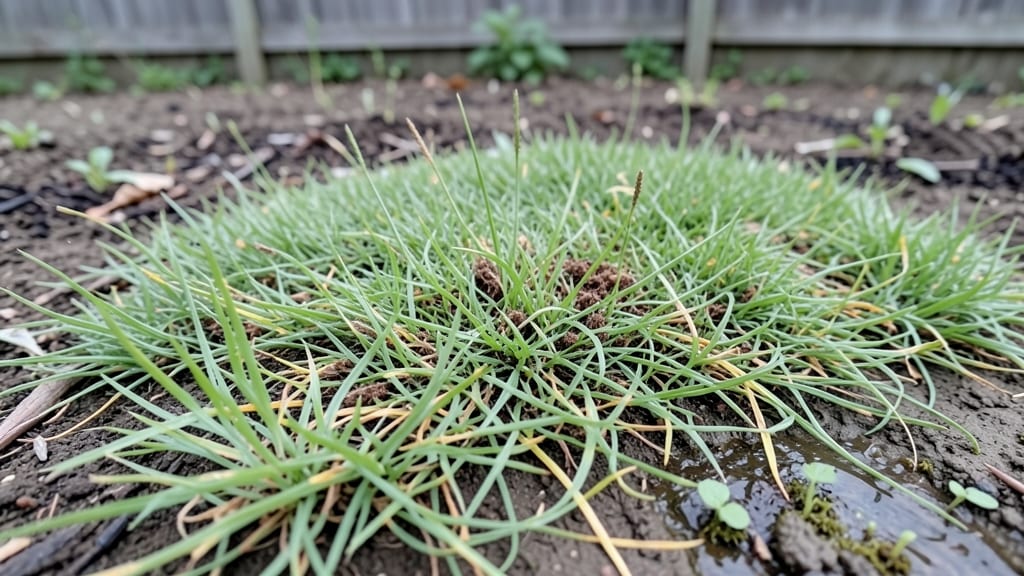
Overwatered Bermuda grass turns your lawn into a swampy mess—yellow patches, fungal growth, and roots suffocating in soggy soil. 🌱 I’ve seen this happen after just one heavy weekend of watering, and the good news is you can turn things around fast with the right moves.
The problem starts when water pools instead of draining, smothering roots and inviting fungus. Bermuda grass needs 1-1.5 inches per week, but more isn’t better—especially in clay-heavy soil. A quick soil test (or just poking your finger in) tells you if it’s still wet from last watering.
Within 24 hours, you’ll see improvement if you stop watering, aerate compacted spots, and let air circulate. The key is adjusting your schedule: water deeply 2-3 times a week instead of daily light sprinkles. Your grass will bounce back with a deeper green in no time.
For long-term fixes, consider top-dressing with compost to improve drainage and mow higher in summer heat. This isn’t just about saving your lawn—it’s about making it stronger for seasons to come.
Common Causes Of Soggy Grass
Bermuda grass thrives in warm climates, but too much water can turn your lush lawn into a soggy mess—literally. Understanding why this happens is the first step to fixing it.
Below, we break down the science and real-world triggers behind overwatered grass, so you can adjust your routine before the damage spreads.
###
💧 Automatic Irrigation Gone Wild
Modern sprinkler systems are designed for convenience, but they’re not foolproof. If your controller is set to run too frequently or for too long, your Bermuda grass won’t just get a drink—it’ll drown. Here’s how it happens:
- Overlapping zones: If sprinkler heads overlap, the same area gets double (or triple!) the water, leaving soil saturated and roots suffocating.
- Incorrect runtime: Bermuda grass typically needs 0.5 to 1 inch of water per week (including rainfall). A 30-minute sprinkler cycle might deliver 0.6 inches—but if your system runs twice a day, that’s 1.2+ inches, far exceeding needs.
- Broken timers or sensors: Faulty rain sensors or manual overrides can trick the system into watering even when it’s raining or the soil is already damp.
Pro tip: 💡 Audit your sprinklers by placing tuna cans (or rain gauges) across the yard. If they collect more than 0.5 inches in a 24-hour period, your system is overdoing it.
###
🌧️ Ignoring Rainfall Data
Bermuda grass is drought-tolerant once established, but many homeowners water on schedule regardless of weather. When you combine automatic watering + rainfall, the soil becomes a swamp. Here’s the breakdown:
- No weather adjustments: If 0.75 inches of rain falls in a week, but your system adds another 0.75 inches, that’s 1.5 inches total—enough to trigger fungal diseases like Brown Patch or Rhizoctonia.
- Poor soil drainage: Clay-heavy soils or compacted lawns hold water like a sponge. Even "light" rain can leave Bermuda grass roots waterlogged for days.
- Mistaking "thirsty" for "dry": Grass wilts when it’s underwatered, but wilting can also signal overwatering if the soil is too soggy for roots to absorb moisture.
Pro tip: ✨ Use a smart irrigation controller or a free app like GrassCheck to track rainfall and adjust watering automatically.
###
🌱 Poor Soil Drainage
Bermuda grass loves well-draining soil, but if your yard has clay, sand, or compacted layers, water pools instead of percolating. This creates the perfect storm for root rot and yellowing patches. Key culprits:
- Clay soil: Holds water like a sponge, suffocating roots even after watering stops. A simple jar test (fill a jar with soil + water, shake, and observe settling time) can confirm drainage issues.
- Compacted turf: Heavy foot traffic, construction equipment, or even mowing wet grass compresses soil, reducing pore space for oxygen and water flow.
- Low-lying areas: Slopes or depressions act as natural "bowls," trapping water and creating permanently soggy zones.
Pro tip: 🌡️ Test soil drainage with the percolation test: Dig a 12-inch hole, fill it with water, and time how long it takes to drain. If it takes more than 4 hours, your soil needs amending (add compost or sand).
###
🚫 Watering Wrong Times
Timing matters more than you think. Watering at the wrong times leads to evaporation waste, fungal growth, and waterlogged soil. Common mistakes:
- Midday watering: Heat causes water to evaporate before it soaks in, leaving grass dry on top but wet below—ideal for fungal spores.
- Evening watering: Cool temps slow evaporation, but moisture lingers on leaves overnight, promoting diseases like Dollar Spot.
- Short, frequent bursts: Light watering (e.g., 5 minutes every few hours) encourages shallow roots and keeps the top layer of soil perpetually damp.
Pro tip: ⏰ Water deeply but infrequently: Aim for 1–1.5 inches per week, split into 2–3 sessions, and always early morning (4–8 AM) to maximize absorption and minimize waste.
Now that you know the root causes, the next step is fixing the damage—without losing your lawn to yellow patches or fungus. Stay tuned!
Quick Fixes for Soggy Bermuda Grass
If your Bermuda grass is drowning in too much water, don’t panic—there’s a way to revive it fast. The key is to act quickly, adjust your watering habits, and give the roots room to breathe.
Below, we’ve mapped out the most common causes of overwatering and the practical fixes to turn things around, plus tips to keep your lawn lush and healthy long-term.
🔥 Too Much Water? Drain It Fast
Cause: Heavy, frequent watering without proper drainage. Fix:
- 🍳 Step 1: Stop Watering Immediately Bermuda grass thrives on deep but infrequent watering. If the top 2–3 inches of soil are soggy, halt all irrigation for 24–48 hours to let excess moisture evaporate.
- 👨🍳 Step 2: Improve Drainage Use a garden fork or aerator to poke holes (2–3 inches deep) in compacted areas. For clay-heavy soil, mix in compost or sand (50/50 ratio) to loosen the texture. Pro tip: 💡 A soil test can tell you if your lawn needs amendments—aim for a mix that drains well but retains moisture.
- 🥘 Step 3: Rake and Elevate If water pools in low spots, gently rake the area to break up mud, then add a thin layer of topsoil or sand to raise the grade slightly. For severe cases, consider a French drain or swale (a shallow trench) to redirect water.
🌡️ Fungal Foes: Drying Out the Problem
Cause: Overwatering creates the perfect damp, dark environment for fungal diseases like brown patch or dollar spot. Fix:
- ⏰ Step 1: Air It Out Mow higher (3–4 inches) to improve airflow between blades. Avoid watering in the evening—fungi love humidity overnight.
- 🔪 Step 2: Fungicide or Baking Soda Spray For mild infections, mix 1 tablespoon of baking soda + 1 gallon of water + a drop of dish soap and spray affected areas. For stubborn fungi, use a copper-based fungicide (follow label rates).
- ✨ Step 3: Prevent Future Outbreaks Water early in the morning (5–8 AM) so grass dries quickly. If your lawn stays wet for >48 hours, consider a lawn sprinkler timer to automate deep, infrequent watering.
🎯 Root Rot Rescue: Saving Stressed Grass
Cause: Chronic overwatering leads to anaerobic soil, suffocating roots and causing yellow, mushy patches. Fix:
- 💡 Step 1: Test Soil Moisture Stick a screwdriver into the soil—if it goes in easily, you’re overwatering. Bermuda grass needs 1–1.5 inches of water per week (including rain). Use a moisture meter for precision.
- 🌱 Step 2: Revive the Roots Apply a mycorrhizal fungus treatment (like Mycorrhizal Inoculant) to help roots recover. For severely damaged areas, overseed with Bermuda grass seed or sod once the soil dries.
- 🔥 Step 3: Adjust Watering Forever Switch to drip irrigation or soaker hoses (they water roots, not leaves). For large lawns, a smart sprinkler system with soil sensors can prevent future disasters.
📊 Long-Term Lawn Care: Keep It Happy
Prevention Tips to Avoid Overwatering Again:
- Check soil type: Sandy soil drains fast; clay holds moisture. Adjust watering accordingly.
- Mow high: Taller grass shades roots, reducing evaporation and fungal risk.
- Water deeply, less often: Aim for 1–1.5 inches per week (including rain). Use the "poke test"—if a 6-inch probe feels dry, it’s time to water.
- Aerate annually: Core aeration (spring/fall) prevents soil compaction and improves drainage.
- Watch the weather: Skip watering if rain is forecasted. Use a rain gauge to track totals.
With these fixes, your Bermuda grass should bounce back in 24–72 hours. The secret? Less water, more airflow. Once you reset the balance, your lawn will stay green, resilient, and fungus-free—no soggy surprises included!
Frequently asked questions
How can I tell if my Bermuda grass is overwatered instead of underwatered?
Look for yellow patches that stay soft even when dry, or grass that feels mushy when you walk on it. Overwatered grass often smells sour or has fungal spots (like brown rings), while thirsty grass wilts but feels dry at the roots. Stick a screwdriver in—if it slides in easily, you're overdoing it.
Will stopping water completely fix my soggy Bermuda grass?
Not immediately, but it's the first step! Bermuda grass needs 1-1.5 inches per week, but stopping watering lets soil dry out. For fast results, combine this with aerating compacted areas and mowing higher (3-4 inches) to improve airflow. You'll see greener patches in 24-72 hours if you act quickly.
Can I use sand to fix clay soil that's causing waterlogging?
Yes, but do it right! Mix equal parts sand and compost into the top 3 inches of soil to improve drainage. Avoid pure sand—it can make soil too loose. Test drainage first with a percolation test: Dig a 12-inch hole, fill with water, and time how long it drains. If it takes >4 hours, you definitely need amendments.
What's the best time of day to water Bermuda grass to avoid overwatering?
Water between 4-8 AM for maximum absorption and minimal evaporation. This gives grass time to dry before evening humidity sets in, reducing fungal risks. Avoid watering at night—moisture lingers on blades overnight, creating perfect conditions for diseases like Dollar Spot.
How long does it take for Bermuda grass to recover from overwatering?
With proper care, you'll see improvement in 24-72 hours. For complete recovery, it may take 1-2 weeks as roots re-establish. The key is consistency: water deeply but infrequently (2-3 times per week), and avoid compacting soil. Monitor for fungal signs—if brown patches appear, treat with baking soda spray or fungicide.