
Plants
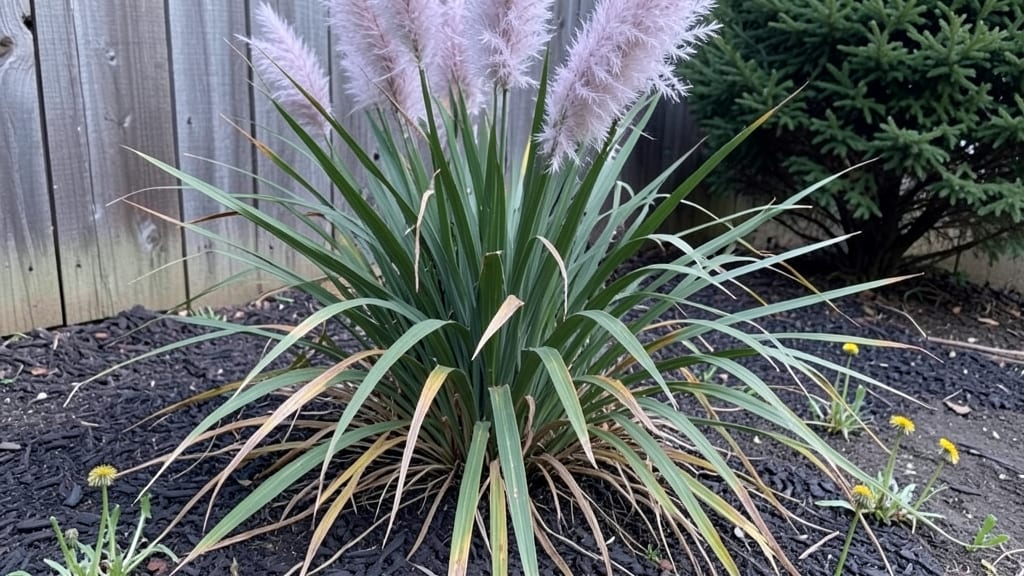
The pampas grass tree 🌿 isn’t actually a tree—it’s a grass that grows tall enough to steal the show in any landscape. That fluffy, feathery look? It’s all about the plumes, which can reach 15 feet tall and turn heads in every season.
Imagine a plant that thrives on neglect, blooms with dramatic fluffiness, and adds tropical elegance to your landscape—all while surviving droughts and harsh winters. The pampas grass tree (Cortaderia selloana) delivers exactly that, but only if you understand its unique care requirements.
If you’re in USDA Zone 6a or warmer, spring is the perfect time to plant yours—between March and April, after the last frost. But here’s the catch: it spreads aggressively, so spacing matters. Too close, and you’ll spend years untangling roots.
In this guide, I’ll walk you through planting, watering, pruning, and winter care—plus how to keep it from taking over your yard. Ready to grow the drought-proof drama that turns heads?
How to plant and establish pampas grass trees for maximum growth
Pampas grass (Cortaderia selloana) may look like a low-maintenance tropical tree, but its dramatic plumes and drought tolerance only shine when planted correctly. Unlike true trees, this ornamental grass thrives in full sun and well-draining soil, making proper placement and first-year care critical for long-term success.
Whether you're in USDA zones 7-11, follow these steps to give your pampas grass the best start possible.
First, understand that pampas grass is not a tree—it's a clumping grass with woody stems. This distinction matters because it affects how you space plants and prepare the soil. Native to South America, it loves hot, dry climates but can adapt to cooler zones with proper winter protection.
The key to establishing it lies in timing, soil prep, and the first 12 months of care.
Step-by-Step Planting Guide for Pampas Grass
-
Step 1: Choose the Right Location
Select a spot with 6+ hours of direct sunlight and well-draining soil. Avoid low-lying areas where water pools, as root rot can kill your plant.
-
Step 2: Test and Amend the Soil
Pampas grass prefers sandy or loamy soil with a pH of 6.0-7.5. If your soil is clay-heavy, mix in 2-3 inches of compost or sand to improve drainage.
-
Step 3: Dig the Hole and Space Properly
Dig a hole twice as wide as the root ball but no deeper. Space plants 3-5 feet apart for dwarf varieties or 6-8 feet apart for standard sizes to allow for mature growth.
-
Step 4: Plant at the Right Time
For USDA zones 7-9, plant in early spring (March-April) after the last frost. In zones 10-11, plant in fall (September-October) to avoid summer heat stress.
-
Step 5: Water Thoroughly After Planting
Give your pampas grass a deep watering immediately after planting to settle the soil. Then, water once a week for the first month to encourage root establishment.
-
Step 6: Apply Mulch and Fertilizer
Spread 2-3 inches of mulch around the base (keep it 6 inches away from the crown) to retain moisture. Use a balanced fertilizer (5-10-10) lightly in early spring.
-
Step 7: Monitor for the First Year
Check soil moisture weekly and water if the top 2 inches of soil feel dry. Avoid overwatering—drought tolerance develops as roots establish.
One of the biggest mistakes new gardeners make is planting pampas grass in shady spots. While it can tolerate partial shade, its plume production will suffer dramatically. If you're in USDA zone 7 or colder, choose a south-facing location to maximize winter sun exposure.
In zones 10-11, afternoon shade can help prevent leaf scorch during peak summer heat.
When preparing the planting hole, loosen the soil to a depth of 12-18 inches to encourage root penetration. If your soil is heavy clay, consider planting in a raised bed or mounding native soil over a gravel base to improve drainage.
Pampas grass hates soggy roots, so invest time in soil prep to avoid future issues.
Proper spacing is non-negotiable—crowded pampas grass leads to weak stems and poor air circulation, increasing the risk of fungal diseases. For dwarf varieties (like 'Baby Pampas'), stick to 3 feet apart. Standard varieties need 6-8 feet to reach their full 8-15 foot height without competing for nutrients.
Timing your planting is crucial for first-year survival. In cooler climates (zones 7-8), plant in early spring so roots establish before winter. In warmer zones (9-11), fall planting gives roots time to settle before summer's intensity.
Avoid planting in extreme heat or freezing temperatures, as both can shock the plant.
After planting, the first 30 days are critical. Water deeply every 5-7 days to encourage root growth, but avoid waterlogging. Once roots establish (after 6-8 weeks), you can reduce watering to once every 10-14 days.
Remember, pampas grass is drought-tolerant once mature, but young plants need consistent moisture.
Mulching isn't just for looks—it retains moisture, regulates soil temperature, and suppresses weeds. Use organic mulch like pine straw or shredded bark, keeping it 2-3 inches thick and 6 inches away from the plant's crown to prevent rot.
Replenish mulch as it breaks down to maintain its benefits.
For gardeners in USDA zone 7, winter protection is essential. After the first frost, cut back dead foliage to 6 inches tall and wrap the crown with burlap or frost cloth. In zones 8-
Pampas grass tree maintenance: watering, pruning, and winter protection tips
Once your pampas grass tree is planted, its low-maintenance nature kicks in—but that doesn’t mean you can ignore it completely. This drought-loving plant thrives with minimal watering once established, but overwatering or poor pruning timing can quickly turn your dramatic plumes into a sad, leggy mess.
Let’s break down the essentials to keep your Cortaderia selloana looking its best year-round.
One of the biggest misconceptions about pampas grass is that it’s completely drought-proof. While it’s highly tolerant, newly planted specimens need consistent moisture to establish strong roots.
Once mature, however, they can survive on rainfall alone in many climates. The key is understanding when to intervene—and when to leave it alone.
Drought tolerance thresholds vary by stage: seedlings need weekly watering, established plants thrive with bi-weekly deep soaks, and mature specimens can go 4-6 weeks without water in dry conditions. Always water at the base of the plant to avoid wetting the foliage, which can lead to fungal issues.
Pruning is where most gardeners go wrong. Many assume cutting back in late winter is best, but this can remove next year’s blooms. Instead, prune right after flowering (late fall or early winter) to encourage new growth. Use clean, sharp shears and cut back to 1/3 of the plant’s height to maintain its elegant shape.
For winter protection, cold-hardy zones (7-11) still need prep. In USDA zones 6 or colder, mulch heavily around the base with straw or leaves and wrap the crown with burlap for insulation. Avoid heavy pruning in winter—this can expose tender growth to frost damage.
Common maintenance mistakes that kill pampas grass include over-fertilizing (which encourages weak, floppy growth), pruning too late (removing next season’s blooms), and planting in soggy soil (root rot is a silent killer). Always prioritize well-draining soil and full sun exposure to avoid these pitfalls.
Here’s your seasonal care calendar at a glance:
<summary-table>| Season | Task | Frequency | Notes |
|---|---|---|---|
| Spring | Water deeply | Weekly | Establish roots |
| Summer | Deep watering | Bi-weekly | Avoid wetting foliage |
| Fall | Prune after blooms | Once | Cut to 1/3 height |
| Winter | Mulch & protect | Once | Zones 6 or colder |
With these maintenance tips, your pampas grass tree will reward you with year-round drama, minimal effort, and that coveted tropical vibe—even in the most unforgiving climates. The secret? Less is more—let it thrive on its own terms.