
Lawn
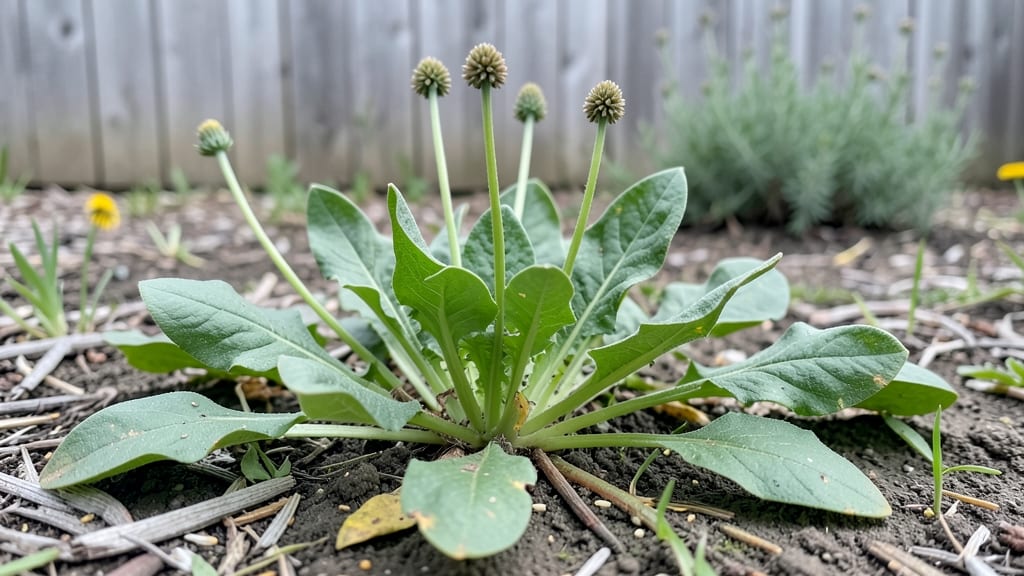
That tenacious plantain grass weed, Plantago major, is the relentless lawn invader that refuses to stay down—no matter how often you mow. ✨ I’ve spent three summers battling this one, and I finally cracked the code for removing it without harsh chemicals. chemicals—permanently.
The key is understanding its shallow roots and how to smother or pull it out before it spreads.
This weed thrives in compacted soil and bare spots, so fixing the lawn’s health is half the battle. You’ll need a few simple tools: a sturdy weeding tool, corn gluten meal (for prevention), and a thick layer of mulch or grass seed.
The process takes about 2 weeks of consistent effort, but it works—even on stubborn patches.
By the end, your lawn will look dense and weed-free, with plantain nowhere in sight. The secret is timing: pull young weeds by hand, smother established ones with cardboard, and overseed to crowd out regrowth. No more sneaky green rosettes popping up after mowing!
Works for both lawns and garden beds, and the methods adapt to any season—just adjust timing for germination. Let’s get those weeds gone for good.
Root Causes Of Stubborn Grass Invaders
If you’ve ever stared down a stubborn patch of plantain grass weed (or broadleaf plantain) and wondered why it keeps coming back, the answer lies in its biology—and your lawn’s hidden weaknesses.
This resilient weed thrives because of specific conditions that favor its growth over your grass. Understanding these triggers is the first step to stopping it for good.
###
🌱 Poor Soil Conditions Create Weak Grass
Plantain grass weeds love compacted, nutrient-poor soil because they outcompete weak grass. Here’s why:
- Compacted soil restricts root growth in your lawn grass, leaving bare spots where weeds like plantain can take hold. Plantain thrives in tight, clay-heavy soils because its shallow roots don’t need deep penetration.
- Low nitrogen levels weaken turfgrass, making it slower to recover after mowing or foot traffic. Plantain, however, requires minimal nutrients and germinates quickly in these conditions.
- High pH (alkaline soil) locks out essential nutrients like iron and phosphorus, stunting grass while plantain—which tolerates pH levels from 5.0 to 8.0—flourishes.
Actionable fix: Aerate compacted soil in early fall, top-dress with compost, and test pH—aim for 6.0–7.0 for optimal grass health.
###
💧 Overwatering or Irregular Moisture
Plantain grass weeds are drought-tolerant but love moisture—they germinate best in consistently damp soil. Here’s how watering habits backfire:
- Frequent light watering keeps the topsoil moist, signaling plantain seeds to sprout. Unlike turfgrass, which needs 1–1.5 inches per week, plantain thrives on shallow, frequent watering.
- Poor drainage creates soggy patches where grass struggles but plantain spreads. Its creeping stems root at nodes, allowing it to colonize wet areas quickly.
- Sudden drought stress weakens grass, leaving gaps for plantain to invade. Unlike cool-season grasses, plantain goes dormant in extreme heat but rebounds fast when moisture returns.
Actionable fix: Water deeply 2–3 times per week (early morning) and improve drainage with sand or gypsum if your yard holds excess water.
###
☀️ Thin or Patchy Lawn Canopy
Plantain grass weeds exploit bare soil because they rely on sunlight for germination. Here’s how lawn neglect invites them:
- Thin grass (from over-mowing, disease, or foot traffic) lets sunlight hit the soil, triggering plantain seeds to sprout. A single plant can produce 10,000+ seeds per year!
- Heavy foot traffic compacts soil and uproots grass, creating perfect conditions for plantain’s aggressive spread via stolons (horizontal stems).
- Poor seeding/oversowing leaves gaps where plantain outcompetes new grass seedlings. Unlike grass, plantain germinates in as little as 5 days in ideal conditions.
Actionable fix: Overseed bare spots with dense, shade-tolerant grass mixes (like fine fescue) and limit foot traffic on recovering areas.
###
🌿 Lack of Competitive Turfgrass
Plantain grass weeds dominate because they outgrow weak or mismatched turf. Here’s the science:
- Cool-season vs. warm-season mismatch: Plantain thrives year-round, while cool-season grasses (like Kentucky bluegrass) weaken in summer heat, leaving room for weeds.
- Slow-growing grass varieties (e.g., tall fescue) can’t smother plantain before it spreads. Plantain grows 6–12 inches tall in a season and shades out competitors.
- Herbicide-resistant strains (common in plantain) survive post-emergent treatments, while grass recovers slowly.
Actionable fix: Choose fast-growing, competitive grasses (like perennial ryegrass) and apply pre-emergent herbicides in early spring to block plantain seeds.
Pro tip: 💡 Combine soil testing, proper watering, and dense grass seeding to starve out plantain before it takes over. The key? Break its growth cycle by addressing its favorite conditions first.
Practical ways to remove stubborn weeds
If you’ve spotted plantain grass weeds creeping into your lawn, don’t panic—there are effective, herbicide-free ways to tackle them. The key is addressing the root cause while using targeted methods to weaken and remove the weeds before they spread.
Below, we’ve mapped out solutions based on the most common reasons these weeds take hold, along with prevention tips to keep your lawn lush and weed-free.
🌱 Overcrowded or Thin Lawn? Fix with Dense Grass
If your lawn is sparse or patchy, weeds like plantain thrive in the gaps. Thick, healthy grass naturally crowds out unwanted invaders. Here’s how to restore your lawn’s density:
🔥 Step 1: Overseed Bare Spots
- When: Early fall or spring (ideal germination temps).
- How: Rake out dead grass or debris, then spread high-quality grass seed (choose a type suited to your climate, like Bermuda or Kentucky bluegrass).
- Pro Tip: 💡 Use a starter fertilizer to give seeds a nutrient boost.
🍳 Step 2: Apply Compost or Topsoil
- Lightly spread a thin layer (¼ inch) of compost or topsoil over seeded areas to improve soil contact and moisture retention.
- Avoid: Piling soil too thick—it can smother seeds.
👨🍳 Step 3: Water Consistently
- Keep soil moist (not soggy) for 2–3 weeks until grass establishes roots.
- Watering Schedule: Early morning (6–8 AM) for 10–15 minutes to encourage deep root growth.
⏰ Prevention Tip:
- ✨ Mow regularly (but never cut more than ⅓ of the grass blade at once) to maintain a thick turf barrier.
💧 Poor Drainage or Compacted Soil? Loosen the Ground
Plantain weeds love moist, compacted soil. Improving drainage and aeration disrupts their growth cycle.
🔪 Step 1: Aerate Your Lawn
- Tool: Rent a core aerator (pull-type or tow-behind).
- When: Late summer or early fall (when grass is actively growing).
- How: Run the aerator over the lawn in overlapping passes to pull out small soil plugs (¼–½ inch deep).
🌡️ Step 2: Rake and Top-Dress
- Remove the soil plugs and rake the area to break up compaction.
- Spread a thin layer of sand or compost (1–2 mm) to improve drainage and add nutrients.
🎯 Prevention Tip:
- ✨ Test your soil (DIY kits are cheap) to check pH and nutrient levels. Aim for a pH of 6.0–7.0 for optimal grass health.
☀️ Too Much Sun or Heat Stress? Adjust Care
Drought-stressed lawns invite weeds. Adjust your watering and mowing habits to keep grass resilient.
💦 Step 1: Deep Water Weekly
- How: Water deeply (1–1.5 inches per week) but less frequently to encourage deep roots.
- Best Time: Early morning to reduce evaporation and fungal risks.
🌿 Step 2: Mow Higher in Summer
- Set your mower to 3–4 inches in hot weather to shade soil and retain moisture.
💪 Prevention Tip:
- ✨ Use mulch (straw or wood chips) around garden beds to retain moisture and suppress weeds naturally.
🌿 Weeds Already Spread? Manual Removal Methods
For established plantain weeds, physical removal is often the fastest herbicide-free fix.
🔥 Step 1: Pull by Hand (Best for Small Patches)
- When: After rain (soil is soft) or in early morning (weeds are hydrated).
- How: Grasp the weed at the base and pull upward with a swift motion. Use a weeding tool or fork for stubborn roots.
- Pro Tip: 💡 Wear gloves—plantain sap can irritate skin!
🍳 Step 2: Smother with Mulch or Cardboard
- For large areas: Lay down cardboard (no tape or staples) or thick mulch (4–6 inches) over weedy spots. Block sunlight to kill weeds in 4–6 weeks.
- Alternative: Use a tarp for 2–3 weeks to suffocate weeds before reseeding.
👨🍳 Step 3: Vinegar Spray (Spot Treatment)
- Mix: 1 gallon white vinegar + 1 oz dish soap (lowers surface tension).
- Apply: Spray directly on weeds (avoid desirable plants—vinegar kills everything it touches).
- When: Sunny, dry day (vinegar works best with direct sunlight).
- Reapply: Every 2–3 days until weeds die (usually 1–2 weeks).
⏰ Prevention Tip:
- ✨ Keep grass healthy—fertilize in early spring and fall to outcompete weeds naturally.
🛡️ Long-Term Prevention Checklist
Stop weeds before they start with these proactive steps:
- ✅ Mow regularly (never let grass grow too tall).
- ✅ Water deeply but infrequently (1–1.5 inches per week).
- ✅ Aerate and overseed every 1–2 years for a thick lawn.
- ✅ Apply pre-emergent herbicide (natural options like corn gluten meal) in early spring to block weed seeds.
- ✅ Inspect and remove weeds early—don’t let them go to seed!
With these targeted approaches, you can banish plantain weeds in 2 weeks or less—without harsh chemicals. Start with the method that matches your lawn’s biggest weakness, and soon, you’ll have a lush, weed-free carpet of grass! 🌿💚
Frequently asked questions
How can I tell if I have plantain grass weed vs. regular grass?
Plantain grass weed (broadleaf plantain) has long, narrow leaves with parallel veins and grows in a rosette pattern close to the ground. Unlike grass, its leaves are ribbed and smooth, not blade-like. It also produces seed spikes in late spring, while grass stays low and spreads horizontally. Check for these key differences to confirm.
Will vinegar really kill plantain grass weed permanently?
Vinegar works as a spot treatment but may not be permanent. It kills the above-ground parts, but new weeds can sprout from remaining roots or seeds. For lasting results, combine vinegar with manual removal or smothering techniques like mulch. Reapply every 2-3 days for best results, but avoid spraying desirable plants.
Can I use corn gluten meal to prevent plantain grass weed?
Yes! Corn gluten meal is a natural pre-emergent herbicide that blocks weed seeds (including plantain) from sprouting. Apply 20 pounds per 1,000 sq ft in early spring when soil temps reach 50°F. It also adds nitrogen to your lawn, helping grass outcompete weeds. Just reapply annually for best results.
Why does plantain grass weed keep coming back after I pull it?
Plantain spreads via seeds and creeping stems, so pulling alone often fails. One mature plant can produce 10,000+ seeds! To stop regrowth, remove all roots (use a weeding tool) and smother the area with mulch or cardboard for 4-6 weeks. Prevent future growth by overseeding bare spots.
Is plantain grass weed toxic to pets or children?
No, plantain grass weed is non-toxic to pets and humans. However, its sap can irritate sensitive skin, so wear gloves when pulling. The real concern is its aggressive spread, which crowds out grass and makes lawns look patchy. Always remove it promptly to keep your yard healthy.