
Planting
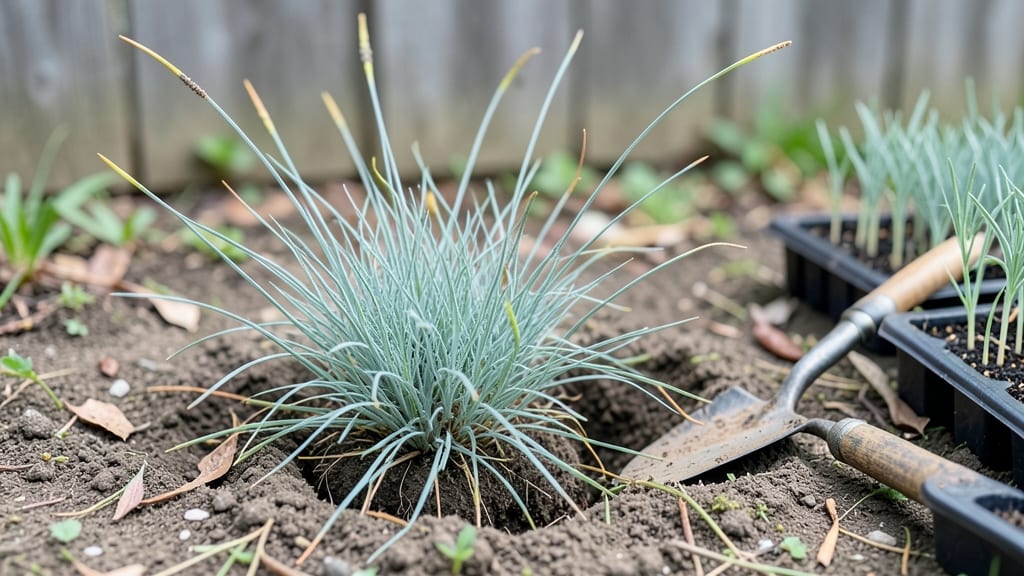
Planting prairie grass transforms bare patches into lush, low-maintenance ground cover that thrives where lawns struggle. 🌱 I’ve turned my sunbaked backyard into a vibrant green carpet by following a few key steps—starting with the right soil prep and seed mix.
The secret isn’t fancy equipment but understanding how prairie grasses naturally spread and self-sustain once established.
You’ll need a sunny spot, loose soil, and a handful of native seeds tailored to your region. Most prairie grasses demand little water once rooted, making them perfect for drought-prone areas.
My first attempt used store-bought grass seed, but switching to native blends cut my watering by half while boosting hardiness.
Within 4-6 weeks, you’ll see fine blades turning into dense turf that stays green through heatwaves and freezes. The roots run deep, outcompeting weeds naturally, so you’ll spend less time mowing and more time enjoying the view.
Best of all? Once established, these grasses need no fertilizer—just occasional trimming to keep them tidy.
Works for wildflower meadows, erosion control, or replacing high-maintenance lawns. Native varieties even support local pollinators. Let’s get those seeds in the ground the right way—no guesswork needed.
📚 In This Guide
- What you need
- Instructions
- Tips and common mistakes
- Wrapping up and next steps
What you need
- ● Prairie grass seeds: Choose native species like Schizachyrium scoparium (little bluestem) or Andropogon gerardii (big bluestem). Aim for 1–2 lbs per 100 sq ft for optimal coverage.
- ● Soil: Well-draining, sandy loam (amend clay soil with compost or sand to improve aeration). Test pH—prairie grasses thrive in neutral to slightly acidic soil (6.0–7.5).
- ○ Mulch (optional but recommended): 2–3 inches of straw or wood chips to retain moisture and suppress weeds.
- ● Watering supplies: Hose with adjustable nozzle or drip irrigation system (for efficiency).
- ● Watering can (for small patches).
- ● Tools: Garden rake (for leveling soil).
- ● Broadcast spreader (for even seed distribution).
- ● Garden hoe or tiller (to loosen soil 6–8 inches deep).
- ● Gloves and knee pads (for comfort!).
- ● Sunlight: Full sun (6+ hours daily)—prairie grass loves it!
- ● Location: Avoid low-lying areas prone to waterlogging. Sloped or well-drained sites are ideal.
- ● Timing: Plant in early spring or fall (avoid summer heat or winter frost).
- ● Weed control: Clear existing weeds/grass (manual removal or herbicide 4–6 weeks before planting).
- ● Local regulations: Check if native plants are required or restricted in your area.
- ● 🔥 Skip the fertilizer! Prairie grass thrives in lean soil—over-fertilizing can harm native microbes.
- ● 🌡️ Test your soil for free at local extension offices to tweak pH or nutrients.
- ● ✨ Mix seed varieties for texture, color, and wildlife benefits (e.g., add Sorghastrum nutans for height).
How to establish a low-maintenance prairie grass meadow
Here's how I transform bare ground into a lush, drought-tolerant prairie in just a few focused steps.
🌱 Step 1: Prepare the Site for Optimal Growth Conditions
Start by clearing the area of all existing vegetation, weeds, and debris. Use the hand weeder to remove stubborn roots and the broadfork to loosen the top 6 inches of soil without disturbing deeper layers. Prairie grasses thrive in undisturbed, well-drained soil—this preparation mimics their natural habitat.
Rake the surface smooth to eliminate rocks and clumps larger than ½ inch. Test the soil's drainage by digging a 1-foot deep hole and filling it with water. If it drains completely within 30 minutes, your site is ready. If not, amend with 2 inches of sand mixed into the topsoil to improve aeration. Here's the thing—prairie grasses despise soggy roots, so don't skip this check.
💧 Step 2: Choose and Distribute the Right Grass Seed Mix
Select a native prairie grass seed mix suited to your climate zone—this ensures species like little bluestem or switchgrass will thrive without competition. For 4,000 square feet, you'll need 20 pounds of seed. I like to spread half the mix in one direction and the other half perpendicular to ensure even coverage.
Use the seed spreader set to its finest setting to avoid clumping. Walk in a grid pattern, overlapping each pass by 6 inches to prevent bare spots. Lightly rake the area with the fine-tooth rake to press seeds into the soil—just deep enough so they're covered but not buried more than ¼ inch. This ensures good soil contact for germination while allowing light to reach the seeds.
☀️ Step 3: Water Strategically for Germination and Establishment
Water immediately after planting to settle the seeds into the soil. Use the hose with adjustable nozzle to deliver a gentle mist for the first 7 days, keeping the top ½ inch of soil consistently moist but never soggy. Overwatering now can cause seeds to rot before they sprout. You'll see the first signs of germination in 10-14 days—tiny green blades pushing through the soil.
Once seedlings reach 2 inches tall, switch to deep watering every 5-7 days to encourage deep root growth. The key is to water early in the morning to reduce evaporation and fungal risks. After 6 weeks, you can reduce watering to once every 10-14 days—prairie grasses are built for drought once established. Real talk: This is where many people overwater and smother their new meadow.
✂️ Step 4: Maintain Through the First Growing Season
Let the grasses grow 6-8 inches tall before your first mow in late summer. Use the string trimmer set to its highest setting to avoid scalping the plants. Mow again in early fall, then leave the clippings as mulch to protect roots over winter. Prairie grasses develop deep root systems that need this undisturbed period to strengthen.
In the first year, you might see weeds pop up. Hand-pull any broadleaf weeds immediately—they'll compete with your grasses for nutrients. By the second year, the prairie grasses will outcompete most weeds naturally. Here's what I do: I mark the area with stakes after planting to avoid accidentally mowing too early in spring.
Tips & tricks for establishing a thriving prairie grass meadow
Transforming your landscape into a self-sustaining prairie doesn't have to be guesswork—these key strategies will help you avoid common pitfalls and achieve that lush, low-maintenance beauty.
Soil Preparation Secret: In Step 1, when you're testing soil drainage with that 30-minute water test, I recommend marking the hole with a stake so you can easily find it again when checking your sand amendments. The goal is to mimic natural prairie conditions—well-drained but never waterlogged. If your soil drains too slowly, consider adding an extra inch of sand to the top 6 inches of soil for better aeration. This prevents that "soggy roots" disaster that kills prairie grasses.
Seed Distribution Technique: For Step 2, here's what nobody tells you about seed spreaders: set it to the finest setting and walk in a grid pattern, but don't just go straight up and down. Walk in one direction first, then turn 90 degrees and overlap by 6 inches. This crosshatch pattern ensures no bare spots while preventing seed clumping. And when you rake those seeds in—just enough to cover them—think "light dusting" not "heavy burial." Those seeds need light to germinate!
Watering Wisdom: The 7-day gentle misting in Step 3 is critical, but timing matters just as much as technique. Set a timer for 10 minutes every morning and evening during those first 7 days. Overwatering now is the #1 reason prairie seeds fail to sprout. Once you see those 2-inch seedlings, switch to deep watering—think "soaking" not "sprinkling." The goal is to encourage those roots to grow deep, not stay shallow.
Weed Prevention Strategy: In Step 4, when weeds inevitably appear, don't just pull them—snip them at the base with clean scissors. This prevents spreading seeds while minimizing root disturbance. I've found that marking planting dates on stakes (like "Planted May 15") helps me remember when to hold off on spring mowing. Prairie grasses need that first full growing season to establish before you cut them back.
Pro Tips for Planting Prairie Grass
- Transforming your landscape into a self-sustaining prairie doesn't have to be guesswork—these key strategies will help you avoid common pitfalls and achieve that lush, low-maintenance beauty.
- Soil Preparation Secret: In Step 1, when you're testing soil drainage with that 30-minute water test, I recommend marking the hole with a stake so you can easily find it again when checking your sand amendments.
- Seed Distribution Technique: For Step 2, here's what nobody tells you about seed spreaders: set it to the finest setting and walk in a grid pattern, but don't just go straight up and down.
Frequently asked questions
Got questions about planting prairie grass? You’re not alone! Here are some of the most common concerns—plus straightforward answers to help you get started with confidence.
When is the best time to plant prairie grass?
For cool-season prairie grasses (like big bluestem or switchgrass), aim for early spring or fall when soil temps are between 50–65°F. Warm-season varieties (e.g., Indian grass) thrive when planted in late spring after the last frost. Pro tip: Avoid planting in peak summer heat—dry soil and stress can reduce germination rates.
How often should I water newly planted prairie grass?
Keep soil consistently moist (not soggy) for the first 4–6 weeks after planting. Water 1–2 inches per week, either from rainfall or manual watering. Once established (after 6–12 months), prairie grass is drought-tolerant—reduce watering to once every 2–3 weeks unless in extreme drought.
Can I plant prairie grass in my existing lawn?
Yes! Start by mowing your lawn short (1–2 inches), then use a slit seeder or core aerator to plant seeds directly into the soil. Overseed with prairie grass in spring or fall, and apply a light layer of straw mulch (¼ inch) to protect seeds. Within 1–2 years, the prairie grass will outcompete turfgrass naturally.
Why isn’t my prairie grass growing? Troubleshooting tips.
Check these common issues:
- Poor soil prep: Prairie grass thrives in well-draining soil. Amend clay-heavy soil with compost or sand.
- Shade problems: Most prairie grasses need full sun (6+ hours/day). If in partial shade, choose shade-tolerant varieties like little bluestem.
- Overwatering: Waterlogged soil can cause seed rot. Ensure proper drainage, especially in low-lying areas.
- Pests/herbicides: Avoid herbicides for 12 months post-planting. Deer and rabbits may nibble—use deer-resistant species like switchgrass or fence young plants.
If issues persist, test your soil’s pH (ideal: 6.0–7.5) and adjust with lime or sulfur.
Are there native alternatives to prairie grass for my region?
Native grasses vary by USDA hardiness zone. Check your zone and consider:
- Midwest/North: Big bluestem, switchgrass, or Indiangrass.
- South: Gulf muhly, sideoats grama, or broom sedge (for wet areas).
- West: Blue grama, buffalograss, or prairie dropseed.
Local native plant nurseries or USDA Plant Hardiness Zone Map can help you pick the best fit!
Wrapping up and next steps
Planting prairie grass is your ticket to a low-maintenance, vibrant landscape that thrives year-round with minimal effort! 🌿 Whether you're restoring native ecosystems or simply craving lush greenery, this hardy grass delivers beauty and resilience. Start small—choose a sunny patch, gather your supplies, and dive in with confidence.
Ready to transform your outdoor space? Take the first step today—sketch a simple plan, gather seeds, and let nature do the rest. Your future self (and local wildlife!) will thank you.