
Pruning
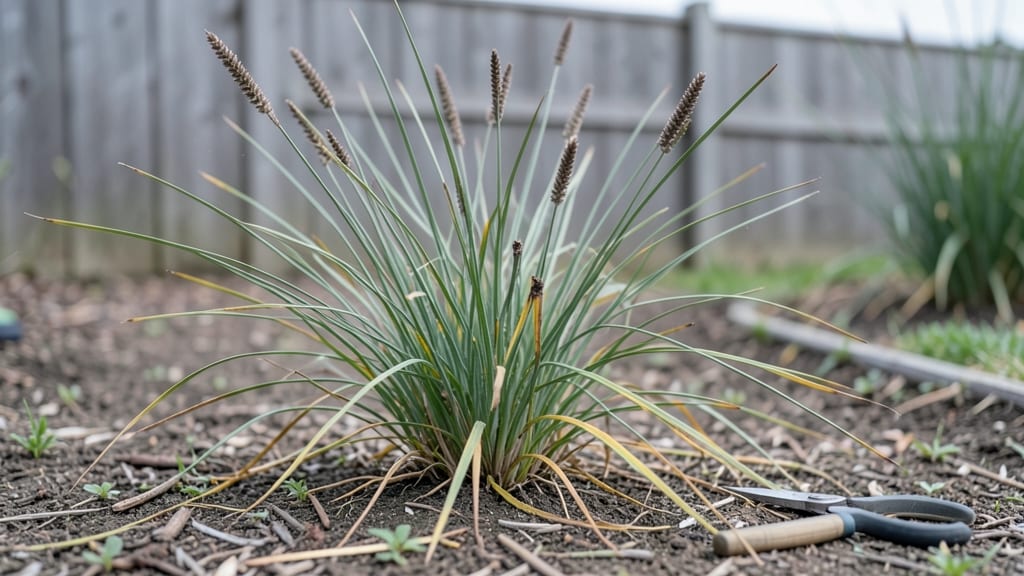
Pruning fountain grass isn't just about keeping it tidy—it's the secret to making those feathery plumes look bold and healthy all year long. 🌿 I learned the hard way that skipping this step leads to leggy, sparse growth that flops over by summer.
The right cuts encourage fresh, upright stems and prevent those pesky brown patches from taking over.
Timing matters more than most people realize. The best time to prune is late winter or early spring, right before new growth starts. You'll need sharp pruners or a hedge trimmer, gloves, and a clear day to avoid soggy clumps.
Cut back the previous year's growth to about 6 inches tall—this might seem drastic, but trust me, it triggers thicker regrowth within weeks.
After pruning, your fountain grass will bounce back with vibrant new shoots by spring. Water thoroughly the first week to help it recover, then fertilize lightly with a balanced formula.
The result? A fuller, bushier plant that stays upright and puts on its signature plumes earlier in the season. No more hiding it behind shrubs!
Fair warning: don't overdo it in summer—those plumes are the plant's energy reserve. And if you see yellowing leaves, that's not a pruning job, it's a watering issue.
This method works for all fountain grass varieties, from the classic 'Little Bunny' to towering 'Jade Fountain'. Ready to transform that floppy mess into a showstopper?
📚 In This Guide
- What you need
- Instructions
- Tips and common mistakes
- Wrapping up and next steps
What you need
- ● Sharp pruning shears – Choose bypass pruners (for clean cuts) or hedge shears (for larger clumps). Ensure blades are sterilized (rubbing alcohol or bleach wipe) to prevent disease spread.
- ● Heavy-duty pruning saw – For thick stems (1+ inch in diameter). Look for a curved or straight blade with teeth per inch (TPI) between 7-10 for clean cuts.
- ● Gloves – Leather or heavy-duty garden gloves to protect hands from sharp blades and thorns (some fountain grass varieties have barbs!).
- ● Loppers – Bypass-style loppers with a 16-20 inch handle for reaching taller stems (3-4 feet).
- ● Pruning rope or twine – A 3-5 foot length to secure large clumps while cutting.
- ● Disinfectant spray – 70% isopropyl alcohol or a commercial pruning spray to sterilize tools between cuts.
- ● Rake or leaf blower – For clearing debris after pruning. A heavy-duty rake works best for thick thatch.
- ● Safety glasses – Protects eyes from flying debris, especially when using a pruning saw.
- ● Knee pads – If your fountain grass is ground-hugging (e.g., Pennisetum alopecuroides), these make kneeling more comfortable.
- ● Compost bin or bags – For disposing of pruned material. Small clippings can be composted; large stems may need bagging.
- ● Best time to prune – Late winter or early spring (before new growth starts) or after flowering in fall.
- ● Weather conditions – Choose a dry, calm day to avoid slipping or spreading disease.
- ● Safety first! – Wear closed-toe shoes and avoid pruning near power lines or in wet conditions.
How to prune fountain grass for perfect year-round shape
Here’s my foolproof method for keeping fountain grass lush, full, and healthy without over-trimming.
✂️ Step 1: Time Your First Cut for Late Winter or Early Spring
Wait until late winter or early spring—just as new growth begins to push through the soil. This is the moment that matters: you’ll see 1-2 inches of fresh green shoots emerging at the base. Cutting too early removes last year’s protective growth, while waiting too long risks damaging new shoots.
Use sharp pruners or a clean, sharp knife to avoid tearing the blades. I like to make a single clean cut about 3-4 inches above the ground. This height ensures you remove dead growth while leaving enough foliage for photosynthesis. If your grass looks ragged, you can trim it back further—but never below 2 inches.
✂️ Step 2: Shape Gradually Throughout the Growing Season
After the first cut, check your fountain grass every 4-6 weeks during the growing season. You’ll notice when it starts to look unruly—blades spreading unevenly or growing too tall. This is your cue to shape it up.
Gently guide the grass into its desired form by trimming the outermost blades first. I avoid cutting more than one-third of the plant’s height at a time—this prevents shock and keeps the grass full. For a rounded look, trim the outer edges at a slight angle. If your grass is growing too tall, cut the tallest blades back to 6-8 inches to encourage bushier growth.
✂️ Step 3: Clean Up Before Fall and Winter
In late fall, after the first hard frost, trim back the grass to about 2-3 inches tall. You’ll see the blades turn brown and crispy—this is normal. Cutting it back now removes dead growth and reduces disease risk over winter.
Don’t skip this step. Leaving dead blades can harbor pests and fungi, which will weaken your grass next spring. After trimming, rake up any debris and dispose of it. I like to leave the cut grass in place as mulch—it breaks down naturally and adds nutrients to the soil.
✂️ Step 4: Revitalize in Early Summer for Fullness
If your fountain grass looks sparse or leggy by early summer, give it a mid-season trim. Cut back the tallest blades by about half their height to encourage new, bushier growth. You’ll see fresh green shoots emerge within 2-3 weeks—that’s your signal everything is working.
This is also the time to thin out any crowded or weak stems. Remove them at the base with clean pruners. Real talk: if you’ve neglected trimming, don’t panic—just cut back to 4-6 inches and focus on consistent care moving forward.
Tips & tricks for perfect fountain grass pruning
These simple tricks will help you keep your fountain grass looking stunning all year without the guesswork.
Timing is Everything: In Step 1, I can't stress enough how important it is to watch for those 1-2 inches of fresh green shoots before pruning. I've seen people cut too early and end up with bare stems that take forever to recover. Trust me on this—patience pays off. If you're unsure, do a quick tug test: if the old growth pulls away easily, it's ready. Also, avoid pruning on rainy days—the wet soil makes it harder to judge the right height and can damage the plant.
The One-Third Rule: When shaping your grass in Step 2, remember this golden rule: never cut more than one-third of the plant's height at once. I learned this the hard way after trimming back too much and nearly losing a prized fountain grass. For a 3-foot-tall plant, that means cutting no more than 1 foot at a time. This gradual approach keeps your grass full and healthy while still achieving that polished look.
Tool Selection Matters: Don't reach for just any old pruners. I use sharp, clean pruners or a serrated knife specifically designed for plants—this prevents tearing and gives you cleaner cuts. After each use, I wipe them down with rubbing alcohol to prevent spreading disease between plants. For larger fountain grasses, I find that hedge shears work best for shaping the outer edges. Just be sure to sterilize them between cuts if you're working with multiple plants.
Seasonal Care Strategy: The late fall trim in Step 3 is your chance to give your fountain grass a fresh start for next year. After cutting back to 2-3 inches, I always take a moment to examine the base. If I see any brown or mushy stems, I remove them completely to prevent rot. This is also when I apply a light layer of compost around the base—it gives the roots a nutrient boost before winter dormancy. The early summer revitalization in Step 4 is my favorite because you can literally see new growth appearing within weeks!
Pro Tips for Pruning Fountain Grass
- These simple tricks will help you keep your fountain grass looking stunning all year without the guesswork.
- Timing is Everything: In Step 1, I can't stress enough how important it is to watch for those 1-2 inches of fresh green shoots before pruning.
- The One-Third Rule: When shaping your grass in Step 2, remember this golden rule: never cut more than one-third of the plant's height at once.
Frequently asked questions
Got questions about keeping your fountain grass looking its best? You’re not alone! Here are some of the most common concerns—and straightforward answers—to help you prune like a pro.
When is the best time to prune fountain grass?
Prune fountain grass in late winter or early spring (before new growth starts) to shape it for the season. A light trim in late summer can also encourage bushier growth. Avoid heavy pruning in fall—it may stress the plant before winter.
How much should I cut back fountain grass in winter?
Reduce the height by one-third to one-half in late winter. This removes dead foliage and stimulates fresh, vibrant growth. Never cut into the brown, woody base—this can harm the plant. Think "cleanup, not chopping!"
Can I prune fountain grass in summer?
Yes, but lightly! A 10-20% trim in late summer can prevent flopping and encourage denser growth. Avoid heavy cuts—this can stress the plant during hot, dry months. Water well after pruning to help it recover.
What if my fountain grass looks ragged after pruning?
Don’t worry! Ragged edges are normal. Use sharp pruners or shears for clean cuts, and step back occasionally to check your shape. If it’s still uneven, a second trim in a few weeks can refine it. Patience pays off!
Are there alternatives to pruning fountain grass?
If pruning feels overwhelming, try mulching to protect the base or planting it in containers for easier maintenance. Some gardeners also opt for ornamental grasses with finer textures, like Miscanthus, which require less aggressive trimming.
Wrapping up and next steps
Pruning fountain grass doesn’t have to be intimidating—with the right tools, timing, and technique, you’ll keep your yard looking neat, healthy, and thriving all year long! 🌿 Whether you’re tackling overgrowth in spring or giving it a light trim in fall, consistency is your secret weapon.
Now that you’re armed with expert tips, grab those shears and get pruning!
Ready to take it further? Experiment with shapes—try a bold, sculpted look or keep it natural. For extra flair, pair your fountain grass with complementary plants. Share your progress or tag us—we’d love to see your handiwork!