
Lawn
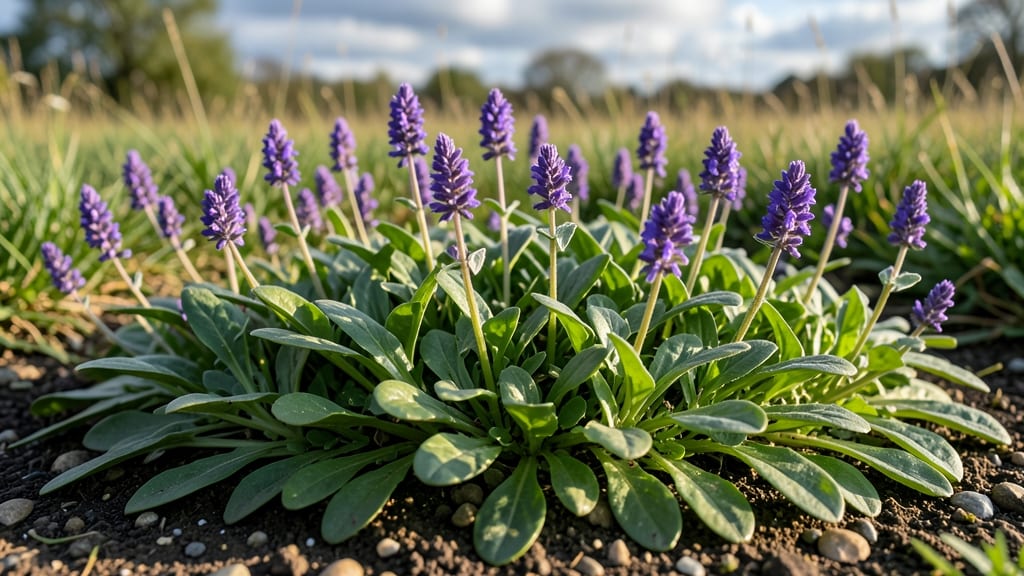
Tiny purple flowers in your lawn aren’t just pretty—they’re a game-changer for year-round color that thrives without a single cut. 🌿 I’ve spent years transforming dull grass into a vibrant carpet of blooms, and the secret lies in choosing the right low-maintenance plants that blend seamlessly with (or replace) traditional lawns.
Creeping phlox, ajuga, and clover are my top picks—they spread effortlessly, handle foot traffic, and bloom from early spring to late fall. Pair them with ornamental grasses like blue fescue for texture, and suddenly, your lawn becomes a living tapestry that’s easier to care for than mowing.
No pruning, no fuss, just endless color.
Imagine stepping onto soft purple carpets in spring, lush green ground covers in summer, and golden seed heads in fall—all while cutting your lawn care time by 90%. These plants work in sun or partial shade, so they adapt to almost any yard.
The best part? They attract pollinators year-round, turning your lawn into a mini ecosystem.
Start small with a border or replace a patch of grass—once you see how easy (and beautiful) it is, you’ll want to go full lawn-to-meadow. The transition takes just a season, and the results? Pure, effortless charm.
The Real Culprits Behind Lawn Blooms
Those charming tiny purple flowers popping up unexpectedly in your lawn aren’t just a surprise—they’re nature’s way of signaling something about your yard’s conditions.
Whether they’re a sign of healthy soil, seasonal shifts, or even hidden weeds, understanding the root causes helps you decide whether to embrace them or manage them. Let’s break down the most common reasons these floral intruders appear, so you can take action with confidence.
Many lawn grasses, like Poa annua (annual bluegrass) or Festuca (fescue), produce tiny purple or white seed heads as part of their natural lifecycle. These aren’t flowers in the traditional sense—they’re seed stalks that form when grass plants mature.
If your lawn is a mix of cool-season grasses, you might see these spikes in early spring or fall, especially after warm spells trigger germination.
Why it happens:
- Seasonal cues: Cooler temperatures and moisture shifts prompt grasses to reproduce, sending up seed heads for new growth.
- Thin or stressed turf: If your lawn is sparse due to drought, foot traffic, or poor soil, grasses fill gaps by seeding aggressively.
- Over-fertilization: Too much nitrogen can encourage lush growth, but it also signals grasses to focus on reproduction over leaf expansion.
Actionable fix: If the seed heads are from desirable grasses, leave them—birds and wildlife will appreciate the snack! For a cleaner look, mow higher (3–4 inches) to shade out weeds and reduce seed production.
Not all purple blooms are grass-related. Many broadleaf weeds thrive in lawns, and their tiny purple flowers are often a dead giveaway. Common offenders include:
- Henbit (Lamium amplexicaule): Forms dense mats with square stems and purple flowers in early spring.
- Chickweed (Stellaria media): Tiny star-shaped white or pink flowers that turn purple as they age.
- Clover (Trifolium species): Nitrogen-fixing legumes with clustered purple blooms, often mistaken for grass.
Why it happens:
Weeds exploit weak turf conditions. They thrive when:
- Soil is compacted or poor: Weeds fill empty spaces where grass struggles to grow.
- Lawn is overwatered or underwatered: Both extremes stress grass, giving weeds an advantage.
- Shade or poor drainage exists: Areas under trees or with soggy soil become weed magnets.
- Herbicide resistance develops: Repeated use of the same pre-emergent can leave weeds unchecked.
Actionable fix:
- Spot-treat early: Pull weeds by hand when flowers appear (before seeds spread). Use a vinegar-based herbicide (20–30% acetic acid) for organic control.
- Improve soil health: Aerate compacted areas and top-dress with compost to crowd out weeds.
- Adjust mowing height: Taller grass (3–4 inches) blocks sunlight, inhibiting weed seeds from germinating.
If your lawn is a mix of native grasses and wildflowers, you might be seeing volunteer blooms like violet (Viola spp.), phlox (Phlox subulata), or creeping phlox. These aren’t weeds—they’re perennial ground covers that self-seed and return yearly.
Why it happens:
- Natural succession: Over time, disturbed soil (from construction, renovations, or erosion) invites wildflowers to colonize.
- Beneficial soil microbes: Healthy mycorrhizal fungi and earthworms create ideal conditions for wildflower seeds to sprout.
- Pollinator-friendly ecosystems: Bees and butterflies spread seeds, ensuring new blooms appear in sunny patches.
Actionable fix:
- Test the soil: If you love the blooms, ensure pH and nutrients support both grass and wildflowers (aim for 6.0–7.0 pH).
- Mow selectively: Leave wildflower patches unmowed in spring to let them bloom, then trim after seeding.
- Plant intentionally: Add native wildflower mixes to borders or sunny areas for controlled color.
Sometimes, purple blooms signal deeper problems. If flowers appear suddenly in patches or your lawn looks otherwise healthy, investigate:
| Symptom | Likely Cause | Solution |
|---|---|---|
| Purple flowers in wet spots | Poor drainage or fungal activity (e.g., moss or nutrient-loving weeds like creeping Charlie) | Improve drainage with sand or gypsum; overseed with drought-tolerant grass. |
| Flowers after fertilizer application | Excess phosphorus triggers weeds like dandelions or clover. | Switch to a low-phosphorus fertilizer (look for 0-0-X ratios). |
| Purple blooms in shady areas | Grass struggling; weeds like henbit or ground ivy move in. | Plant shade-tolerant grass (e.g., fine fescue) or mulch heavily. |
Pro Tip: 🌡️ Take a soil test before reacting—sometimes, the "weeds" are just indicators of imbalances (like high potassium or low nitrogen). Local extension offices offer affordable testing kits.
Quick Fixes for Unwanted Purple Blooms
Those charming tiny purple flowers popping up in your lawn might seem like a natural beauty—until they start spreading uncontrollably or disrupt your perfectly manicured grass. The good news? Most issues have simple, effective solutions.
Below, we’ve mapped out the most common causes of these purple invaders and the best ways to handle them, plus tips to keep your lawn looking intentional (not accidental).
If your lawn is already thin or patchy, tiny purple blooms (like clover, creeping phlox, or wild violets) will seize the opportunity to fill in the gaps. These hardy plants thrive in compacted or nutrient-poor soil, turning your yard into a wildflower meadow—fast.
How to Fix It:
🔥 Step 1: Identify the Culprit
Get up close! Snap a photo or consult a local nursery to confirm whether your "flowers" are clover, chickweed, or another ground cover. Knowing the enemy helps you fight smarter.
🍳 Step 2: Improve Soil HealthHealthy grass outcompetes weeds. Test your soil’s pH and nutrient levels (many garden centers offer cheap kits). Aim for a pH of 6.0–7.0—most purple bloomers hate acidic conditions.
- Add compost (1–2 inches) to improve soil structure and fertility.
- Top-dress with sand if your lawn is clay-heavy (this aerates naturally).
- Use a slow-release fertilizer in early spring and fall to feed grass roots.
Fill bare spots with dense, shade-tolerant grass seed (like fine fescue or Kentucky bluegrass). For high-traffic areas, consider creeping red fescue—it’s tough and crowds out weeds.
- Rake the area gently to loosen soil.
- Spread seed evenly (follow package rates).
- Lightly cover with straw to protect seeds from birds.
- Water daily for 2–3 weeks until germination.
Purple flowers often signal your lawn is stressed. Drought-loving species (like phlox or chickweed) thrive when grass wilts, while others (like violet) flourish in soggy soil. Both scenarios mean your turf isn’t getting the care it needs.
How to Fix It:
🔪 Step 1: Adjust Your Watering Routine
Most lawns need 1–1.5 inches of water per week, including rain. If your soil is dry 2 inches down, it’s time to water.
- Morning watering (before 10 AM) reduces evaporation and fungal growth.
- Deep soak 2–3 times per week (30–45 minutes per session) instead of daily light sprinkles.
- Check for runoff—if water pools, your lawn is getting too much at once.
For waterlogged areas, improve drainage with:
- Sand or compost mixed into soggy spots.
- French drains for severely wet areas (DIY kits are available).
- Aeration in fall to help water penetrate compacted soil.
Did you recently apply pre-emergent herbicide? Skip a fertilizer step? Purple flowers can be your lawn’s way of saying, “I’m starving—or you just poisoned me!” Overuse of chemicals (or skipping them) throws off the balance, letting weeds take over.
How to Fix It:
📊 Step 1: Flush Out Residues
If you suspect herbicide burn, water deeply for 2–3 weeks to dilute chemicals. Avoid fertilizing until new growth appears.
💪 Step 2: Reset with a Balanced RoutineFollow this 4-step cycle for a healthy lawn:
- Early spring: Apply a high-nitrogen fertilizer (24-0-4 ratio) to wake up grass.
- Late spring: Use a balanced fertilizer (10-10-10) to encourage root growth.
- Fall (September): Switch to a low-nitrogen, high-potassium (5-10-15) to strengthen roots for winter.
- Avoid fertilizing in summer—it stresses grass in heat.
Once you’ve tackled the immediate issue, these low-maintenance habits will keep your lawn lush and intentional:
- Mow high (3–4 inches)—taller grass shades out weeds.
- Aerate annually (spring or fall) to prevent soil compaction.
- Dethatch if needed (if your lawn feels spongy, thatch buildup may be blocking nutrients).
- Spot-treat weeds with vinegar (for clover) or corn gluten meal (natural pre-emergent).
- Encourage beneficial insects—ladybugs and ground beetles eat weed seeds!
💡 Bonus: If you do want purple flowers, try planting them deliberately in a wildflower meadow section of your yard. Use edging to contain them—and enjoy the color without the chaos!
Frequently asked questions
Are tiny purple flowers in my lawn always weeds?
Not necessarily! Many purple blooms are actually beneficial ground covers like clover, creeping phlox, or wild violets. These plants improve soil health, attract pollinators, and often indicate your lawn has good natural fertility. Only consider them weeds if they're spreading aggressively or crowding out your desired grass.
What’s the easiest way to tell if purple blooms are clover?
Look for three-leaf clusters with a white or light-colored crescent shape on the leaves—this is clover's signature trait. The flowers grow in dense, rounded clusters and turn into small seed pods. Unlike grass, clover leaves are broader and softer to the touch, with a slightly sweet scent when crushed.
Can I safely use vinegar to kill purple flowers without harming grass?
Use with caution! A 5% acetic acid vinegar solution (1 part vinegar to 3 parts water) works best for spot treatment on weeds like clover. Apply only on sunny days when grass is dry, and avoid spraying when temperatures exceed 80°F. For safety, test a small area first—vinegar can burn grass if overused.
Will mowing higher help prevent purple flowers?
Yes! Setting your mower to 3–4 inches shades out many weeds by blocking sunlight. Taller grass also develops deeper roots that compete better with invasive plants. Just avoid cutting more than ⅓ of the grass height at once to prevent stress. This works especially well for clover and chickweed.
Are there purple flowers that actually improve lawn health?
Plants like Ajuga (bugleweed) and Heuchera (coral bells) add gorgeous purple blooms while suppressing weeds. They thrive in partial shade, tolerate foot traffic, and attract beneficial insects. For sun-loving options, try Creeping Phlox—it spreads beautifully and blooms early spring to late fall.