
Lawn
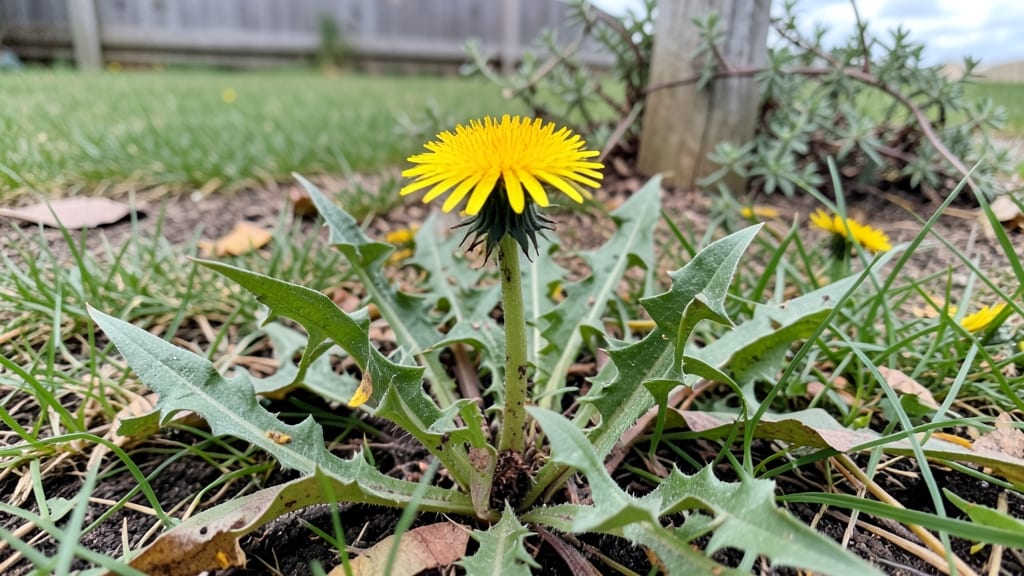
Those stubborn purple-flowered weeds popping up in your grass aren’t just an eyesore—they’re stealing nutrients from your lawn. 🌱 I’ve battled clover, henbit, and chickweed in my own yard, and I’ll show you how to outsmart them without harsh chemicals. The key is acting fast before they spread.
Most purple weeds thrive because they love thin grass and compacted soil. A simple rake or dethatching can expose them to sunlight, weakening their roots. For stubborn patches, a vinegar-water mix (1:1 ratio) works as a natural killer—just spot-treat to avoid damaging grass.
You’ll see results within days: fewer weeds, thicker grass, and a lawn that actually stays green. The secret is consistency—pull early, water deeply, and overseed bare spots to crowd out future invaders.
Works for any yard, from sunny backyards to shady patches. Let’s get that lawn back to looking effortless—naturally.
The Hidden Triggers Behind Purple Blooms
Those vibrant purple flowers popping up in your grass aren’t just random—there are specific reasons they thrive where you don’t want them. Understanding these causes is the first step to reclaiming your lawn. Let’s break down the science behind why these weeds take root and bloom.
🌱 Seeds spread by wind and wildlife
Most purple-flowered weeds, like henbit or chickweed, are masters of passive dispersal. Their lightweight seeds hitch rides on:
- Wind currents: Tiny seeds travel miles before landing in your grass, especially after mowing or disturbances.
- Animal fur: Birds, rabbits, and even pets carry seeds on their coats, dropping them in fertile soil.
- Water runoff: Seeds from neighboring properties or roadsides wash into your lawn during rain.
Actionable fix: Rake your lawn regularly to remove seeds before they germinate, and trim grass higher (3–4 inches) to block sunlight that triggers seed growth.
🌞 Too much sunlight and thin grass
Purple weeds like clover or knotweed love sunlight—but they also exploit weak spots in your grass. When your lawn is:
- Thin or patchy: Bare soil lets weeds germinate easily.
- Over-mowed: Short grass stresses out, leaving gaps for invaders.
- Competition-free: Weeds outcompete grass for nutrients in sunny areas.
Science note: Weeds like knotweed produce allelopathic chemicals that suppress grass growth, making the problem worse over time.
Actionable fix: Overseed bare patches in fall, adjust mowing height, and apply a pre-emergent herbicide in early spring to block seeds.
💧 Overwatering or poor drainage
Purple weeds often thrive in soggy or unevenly watered lawns because:
- Excess moisture: Weeds like creeping charlie (a purple-stemmed nuisance) love damp soil.
- Shallow roots: Grass struggles in compacted or waterlogged areas, while weeds adapt.
- Irregular watering: Deep but infrequent watering encourages weed seeds to germinate in dry spells.
Actionable fix: Test soil drainage, aerate compacted areas, and water deeply but only 1–2 times per week to encourage grass roots.
🌿 Nutrient imbalances in soil
Weeds often invade when your lawn’s nutrient levels are off. Purple bloomers like dandelions or plantain thrive in:
- Low nitrogen: Grass struggles, while weeds adapt to poor soil.
- High phosphorus: Common in synthetic fertilizers, this fuels weed growth.
- Acidic or alkaline soil: pH imbalances (below 6.0 or above 7.5) favor weeds over grass.
Actionable fix: Get a soil test, amend with compost or lime (if needed), and use a slow-release, organic fertilizer to balance nutrients.
Pro tip: 🌡️ Timing matters—most purple weeds germinate in cool seasons (spring/fall). Stay vigilant during these windows!
Effective Ways to Remove Purple Weeds
If you’ve spotted unsightly purple blooms popping up in your lawn, don’t panic—there are practical, natural, and chemical-free ways to tackle them. Below, we’ve mapped out solutions based on the most common causes of purple-flowered weeds, along with prevention tips to keep your grass lush and weed-free.
🌱 Overcrowded or Thin Grass? Fix with Proper Lawn Care
Weeds thrive where grass struggles. If your lawn is sparse or patchy, purple weeds like henbit or chickweed will take over. Here’s how to restore balance:
🔥 Boost Grass Growth Naturally
- 👨🍳 Overseed Bare Spots – Fill thin areas with high-quality grass seed (cool-season grasses like Kentucky bluegrass or fescue work well).
- 🌡️ Water Deeply & Less Often – Encourage deep root growth by watering early in the morning (1–1.5 inches per week) instead of daily shallow watering.
- 💡 Use Organic Fertilizer – A slow-release, nitrogen-rich fertilizer (like compost or fish emulsion) strengthens grass roots, making it harder for weeds to establish.
✨ Prevention Tip:
Test your soil’s pH (ideal: 6.0–7.0). If it’s too acidic or alkaline, amend it with lime (to raise pH) or sulfur (to lower pH) before reseeding.
🌿 Too Much Sun or Heat Stress? Adjust Your Lawn’s Environment
Purple weeds often invade when grass is heat-stressed. Adjusting sunlight exposure and moisture can help:
🍳 Provide Shade Where Needed
- 🌳 Plant Trees or Shrubs – Strategic placement of shade trees (like oak or maple) can reduce heat stress in sunny areas.
- 🏡 Use Outdoor Curtains or Awnings – For small lawn sections, temporary shade cloth can protect grass during peak summer heat.
💡 Prevention Tip:
Mow higher in summer (3–4 inches) to shade soil and retain moisture, reducing weed germination.
🚜 Poor Soil Health? Revitalize with Natural Amendments
Compacted or nutrient-poor soil invites weeds. Improve it with these steps:
🔪 Aerate & Loosen Soil
- ⏰ Rent a Core Aerator – Poke holes 3–4 inches deep to break up compaction, allowing grass roots to access nutrients.
- 🌱 Top-Dress with Compost – Spread a ¼-inch layer of compost over the lawn after aerating to replenish organic matter.
💡 Prevention Tip:
Avoid heavy foot traffic on wet grass to prevent soil compaction—walk on dry patches or use stepping stones.
🌺 Weeds Already Blooming? Pull or Smother Them
If purple weeds are already established, manual removal or smothering can stop their spread:
👨🍳 Hand-Pull or Dig Out Weeds
- 🔥 Best Time to Pull: Early morning (soil is moist, roots come out easier).
- 🔪 Use a Weeding Tool – A dandelion digger or hori-hori knife makes extraction cleaner than hands alone.
🌡️ Smother with Mulch or Cardboard
- 🌱 Lay Down Cardboard – Cover weed-infested areas with flattened cardboard (no tape or glossy ink), then top with 2–3 inches of mulch or new grass seed.
- 💡 Prevention Tip: Apply mulch before weeds sprout—blocking sunlight prevents seeds from germinating.
🧪 Last Resort: Targeted Herbicides (Use Sparingly)
If natural methods fail, selective herbicides can help—but choose carefully to avoid harming grass:
🔥 Spot-Treat with Vinegar or Salt (For Small Areas)
- 🍳 Mix 1 gallon white vinegar + 1 oz dish soap + 1 cup salt – Spray directly on weeds (avoid grass—it’ll kill that too).
- ⏰ Apply on a dry, sunny day for best results.
💡 Prevention Tip:
Pre-emergent herbicides (like corn gluten meal) can block weed seeds—apply in early spring before purple weeds germinate.
Remember: Consistency is key. Combine these methods with regular mowing, watering, and soil care to keep purple weeds from returning. Your lawn will thank you! 🌿✨
Frequently asked questions
What are the most common purple-flowered weeds in lawns?
Look for henbit, chickweed, clover, or knotweed—these are the usual suspects. Henbit has purple flowers and grows low to the ground, while clover forms dense mats. Identifying them early helps you target removal methods more effectively.
Is vinegar safe to use on all types of grass?
No, vinegar is not grass-safe—it will kill both weeds and your lawn. Use it only as a spot treatment on weeds growing in driveways, sidewalks, or mulched areas. For lawns, opt for manual pulling or natural herbicides like corn gluten meal.
How often should I pull weeds to prevent regrowth?
Pull weeds weekly during their active growing season (spring and fall). Consistency is key—removing flowers before they seed stops future invasions. For stubborn weeds like clover, dig up roots completely to prevent regrowth.
Can I mow over purple weeds to eliminate them?
Mowing alone won’t kill weeds, but it can weaken them over time. Set your mower to 3–4 inches to shade soil and discourage seed germination. For best results, combine mowing with manual removal or pre-emergent herbicides in early spring.
Will overseeding my lawn prevent purple weeds?
Yes! Overseeding fills bare spots, giving grass a competitive edge. Use a dense, shade-tolerant grass mix like fescue or ryegrass, and apply in early fall. Thick grass crowds out weeds naturally—just water deeply after seeding to encourage root growth.