
Plants
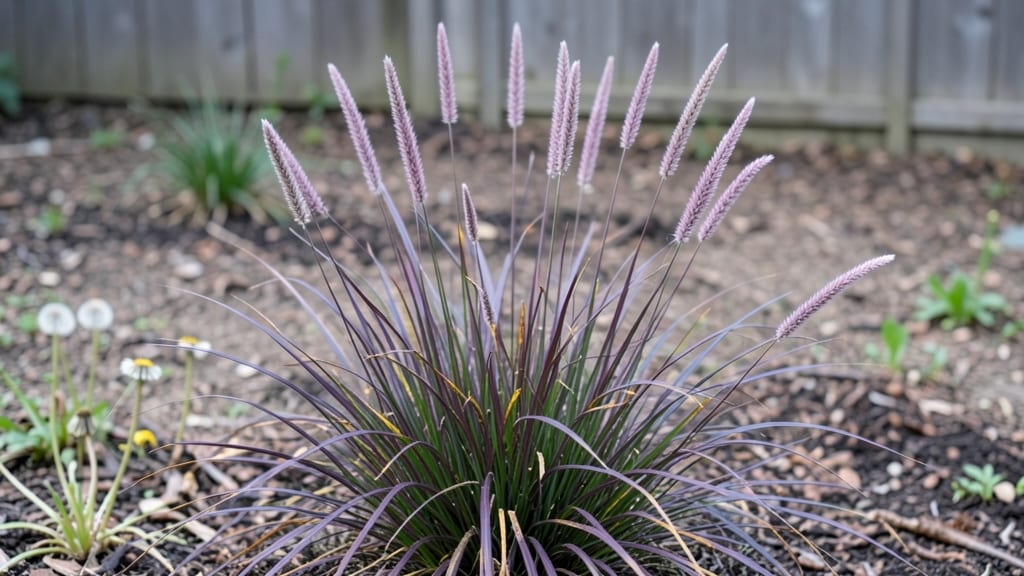
Growing purple fountain grass 🌿 means adding a splash of color that lasts all year—no dead zones, no replanting, and no fuss.
If you dream of a vibrant, low-maintenance garden that thrives even in drought conditions, this drought-resistant superstar delivers stunning purple hues year-round with minimal effort.
Unlike other ornamental grasses that fade or brown in winter, purple fountain grass keeps its rich tones through every season, making it the perfect choice for gardeners who want beauty without the upkeep.
From planting in spring to pruning for shape, I’ll walk you through every step to keep your grass looking lush and full—no green thumb required.
Why purple fountain grass stands out among drought-resistant ornamental grasses
When I first spotted purple fountain grass in a drought-stricken garden, I was amazed—it looked vibrant while other plants wilted. This isn't just another ornamental grass; it's a year-round color powerhouse that thrives with minimal water.
Unlike seasonal blooms, its deep purple foliage stays stunning from spring through winter, making it a standout in any landscape.
The secret lies in its adaptive biology. Native to East Asia, Pennisetum alopecuroides 'Purple' evolved to handle dry conditions while maintaining its striking hue. Even during summer heatwaves, it remains lush when other grasses turn brown.
This resilience isn't just about survival—it's about elevating garden aesthetics with zero compromise on beauty.
What truly sets it apart is its multi-season appeal. While many grasses lose color in winter, purple fountain grass develops a subtle silver-blue tint that adds winter interest.
Plus, its arching, fountain-like plumes create movement and texture, catching light beautifully. This makes it perfect for low-maintenance landscapes where you want drama without the upkeep.
Beyond its visual appeal, this grass supports local ecosystems. Its seed heads attract songbirds and pollinators year-round, providing food when other plants have gone dormant. In my own garden, I've noticed goldfinches and sparrows flocking to it during late fall—proof of its ecological value.
That's a win for both beauty and biodiversity.
Now, let's compare how purple fountain grass stacks up against other popular drought-resistant grasses like maiden grass and blue fescue. The differences in care, color retention, and adaptability might surprise you.
| Trait | Purple Fountain Grass | Maiden Grass | Blue Fescue |
|---|---|---|---|
| Color Retention | Year-round purple (silver-blue winter) | Green summer, golden fall | Blue-gray year-round |
| Drought Tolerance | Excellent (once established) | Good (needs occasional water) | Very high (native to dry climates) |
| Winter Hardiness | Zones 5-9 (dies back but regrows) | Zones 5-9 (dies back but regrows) | Zones 4-9 (stays green in mild winters) |
| Wildlife Value | High (bird seed attraction) | Moderate (seed heads attract birds) | Low (minimal wildlife interest) |
| Maintenance Level | Low (minimal pruning needed) | Moderate (requires annual cutting) | Very low (self-sustaining) |
| Best For | Year-round color, containers, borders | Asian-inspired gardens, tall screens | Rock gardens, ground cover |
While blue fescue excels in rock gardens and maiden grass creates dramatic vertical lines, purple fountain grass offers something neither can: consistent color year-round. Its ability to maintain its vibrant purple hue even in winter gives it an edge for gardeners who want low-maintenance beauty without seasonal compromises.
Another standout feature is its versatility in design. Unlike maiden grass, which needs space to arch gracefully, purple fountain grass thrives in containers and small gardens. I've seen it used as a stunning centerpiece in pots on patios, adding vertical interest without overwhelming the space.
Its fountain-like shape also makes it perfect for border plantings where you want movement and texture.
For those concerned about water conservation, purple fountain grass is a game-changer. Once established, it requires only occasional watering—far less than traditional lawns or even many perennials. In my Zone 7 garden, I've reduced watering to once every 2-3 weeks during summer droughts, and it still thrives.
This makes it ideal for xeriscaping projects where sustainability meets beauty.
Don't overlook its adaptability to different soil types. While it prefers
How to plant and maintain purple fountain grass for maximum impact
Purple fountain grass (Pennisetum alopecuroides 'Purple') is one of the easiest ornamental grasses to grow, offering year-round color with almost no fuss. Unlike many plants that fade in winter, its deep purple foliage stays vibrant, making it a drought-proof superstar for modern gardens.
The key to unlocking its full potential lies in proper planting techniques, seasonal care, and smart pruning strategies—all of which I’ll break down step by step to ensure your grass thrives for years.
This versatile grass adapts to USDA Zones 5-9, thriving in full sun (6+ hours daily) while tolerating poor soil better than most ornamentals.
Whether you’re planting in containers, garden beds, or as a border accent, following these steps will help you achieve that lush, fountain-like shape and rich purple hue that makes it so desirable.
Let’s dive into the exact methods I’ve used to keep my purple fountain grass looking stunning with minimal effort.
-
📍 Step 1: Choose the Right Location
Select a spot with full sun exposure (6+ hours daily) and well-draining soil. Purple fountain grass hates soggy roots, so avoid low-lying areas where water pools. If your soil is heavy clay, amend it with compost or sand to improve drainage.
-
🌿 Step 2: Plant at the Correct Depth & Spacing
Dig a hole twice as wide as the root ball but only as deep as the container it came in. Space plants 18-24 inches apart to allow for full growth (they’ll reach 2-3 feet tall and wide). Gently remove the plant from its container, loosen roots, and place it in the hole.
-
💧 Step 3: Water Deeply After Planting
Give your purple fountain grass a deep watering immediately after planting to settle the soil. Water once a week for the first month, ensuring the soil is moist but not waterlogged. Once established (after 6-8 weeks), reduce watering to every 2-3 weeks—this grass is drought-tolerant once mature.
-
✂️ Step 4: Prune for Shape & Health
Cut back dead or brown foliage in early spring (before new growth starts) using clean, sharp pruners. To maintain its fountain shape, trim any straggly stems in late summer after flowering. Never cut more than 1/3 of the plant at once—this keeps it looking full and encourages regrowth.
-
🌡️ Step 5: Protect in Winter (Zones 5-6)
In colder zones, mulch the base with 2-3 inches of straw or shredded leaves after the first frost to insulate roots. In USDA Zone 7+, no winter care is needed—this grass is hardy to -10°F and will bounce back in spring. Avoid cutting back in winter, as the old foliage provides winter interest and protection.
-
🌱 Step 6: Fertilize Lightly for Vibrant Color
Apply a balanced fertilizer (10-10-10) in early spring (just as new growth starts) using 1 tablespoon per plant. Skip fertilizing in summer and fall—overfeeding can weaken the plant and reduce its drought tolerance. Purple fountain grass is a low-maintenance plant, so less is often more!
-
🔄 Step 7: Divide Every 3-4 Years
If your purple fountain grass becomes overcrowded (clumps over 2 feet wide), divide it in early spring. Dig up the clump, separate the roots with a sharp knife, and replant the divisions. This rejuvenates the plant and gives you free extra plants for borders or gifts!
One of the biggest mistakes I see gardeners make is overwatering purple fountain grass—this leads to root rot and dull, pale foliage. Instead, focus on deep, infrequent watering once established.
Another pro tip? Plant it near other drought-tolerant plants like lavender, sedum, or Russian sage to create a low-water, high-impact garden section that thrives together.
With these simple steps, your purple fountain grass will reward you with bold purple plumes that sway in the breeze year-round. Whether you’re using it as a standalone specimen, a border accent, or a container plant, its easy-care nature makes it a must-have for any garden.
Try it in your next planting project—you’ll love how it transforms your space with zero daily effort!