
Pests and Diseases
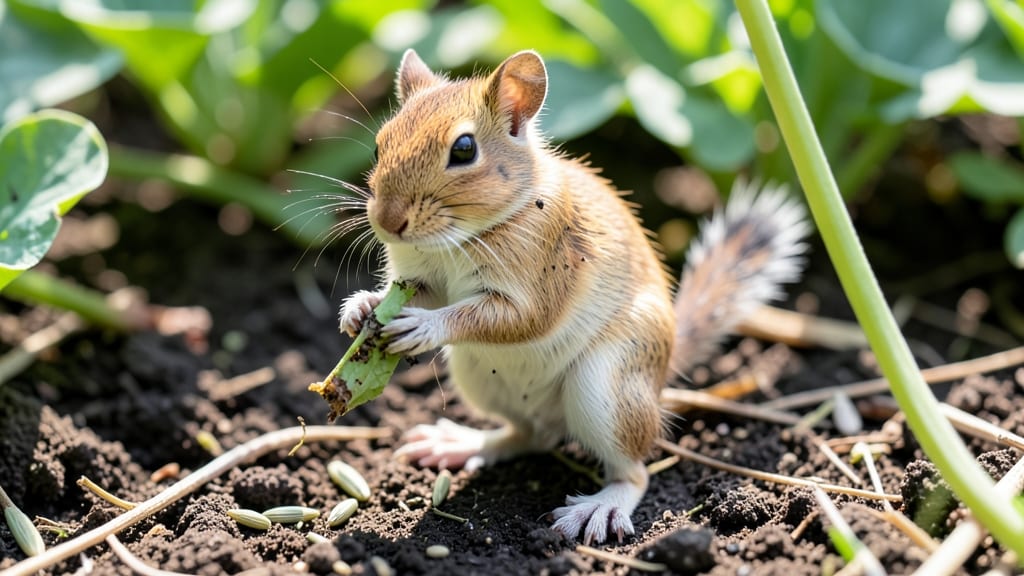
Rabbit grass weed spreads faster than you can pull it by hand. 🌱 I’ve watched it take over garden edges and lawn corners in just a few weeks, and the key to stopping it isn’t brute force—it’s smart barriers and timing.
The moment you see those wiry clumps creeping in, you can turn the tide with the right approach.
This grass thrives because it’s aggressive, not because it’s hard to beat. The secret lies in blocking its seeds from spreading while starving out existing plants. Mulch, landscape fabric, and even strategic planting can create a fortress that keeps it out long-term.
No more digging up roots or wasting time on spot treatments that fail.
By the end of this, you’ll have a lawn or garden where rabbit grass doesn’t stand a chance. The right barriers make it impossible for new seeds to take hold, and your plants will finally get the space they need to thrive. Let’s get started with solutions that actually work.
Whether you’re dealing with a small patch or a full yard invasion, these methods adapt to any space. The key is consistency—once you set up the right defenses, you’ll never look back. Ready to reclaim your garden?
Root Causes Of Invasive Growth
Understanding why rabbit grass (or rabbitfoot grass) spreads aggressively is the first step to stopping it. This hardy grass thrives in conditions that many other plants can’t—often crowding out lawns, gardens, and even native vegetation. Below are the key reasons it takes over, backed by science and practical insights.
🌱 Fast Reproduction & Seed Spread
Rabbit grass is a warm-season annual that reproduces explosively through seeds, producing thousands per plant in a single growing season. Its lightweight, wind-dispersed seeds can travel hundreds of feet, landing in cracks, soil, and even disturbed areas like construction sites or bare patches in lawns. Unlike perennial grasses, it doesn’t need to establish deep roots first—it germinates quickly in warm, moist soil (ideal temps: 65–95°F).
💡 Pro Tip: Mowing infected areas before seeds mature (late summer) can cut seed production by up to 70%. Use a bagger to remove clippings immediately.
🌞 Ideal Growing Conditions
This grass loves full sun (6+ hours daily) and poorly drained or compacted soil, which many lawns inadvertently provide. Here’s why:
- Sun Exposure: Rabbit grass outcompetes shade-tolerant grasses by photosynthesizing 2–3x faster in bright light.
- Soil Conditions: It thrives in sandy or clay-heavy soil where water pools, creating the perfect moisture-rich environment. Compacted soil (from foot traffic or machinery) also strangles roots of desirable grasses, leaving gaps for invaders.
- Drought Resistance: Its deep, fibrous root system lets it survive drought better than many turfgrasses, making it a resilient nuisance in dry climates.
🌡️ Key Stat: Studies show rabbit grass can germinate in as little as 3 days when soil temps hit 70°F+, while cool-season grasses struggle to keep up.
🚜 Human & Animal Activity
Accidental human spread is a major culprit. Here’s how it happens:
| Activity | How It Spreads |
|---|---|
| Lawn Equipment | Mower blades, aerators, and rakes can carry seeds to new areas. Even a single seed stuck to a wheel can start a new infestation. |
| Soil Movement | Digging, landscaping, or topsoil delivery often unearths dormant seeds buried up to 2 inches deep. |
| Wildlife | Birds, deer, and even rabbits consume seeds, then disperse them via droppings. (Hence the name—it’s a favorite snack for rabbits!) |
| Water Runoff | Seeds hitch rides in stormwater or irrigation, landing in gardens, flower beds, or neighboring properties. |
✨ Actionable Fix: Clean equipment with a vinegar-water mix (1:3 ratio) after use in infested areas to kill residual seeds.
🌿 Weak or Damaged Lawns
Rabbit grass exploits thin, stressed, or bare lawns like a vacuum. Common triggers include:
- Over/Underwatering: Too much water drowns roots; too little weakens turf. Rabbit grass thrives in both extremes.
- Poor Fertilization: Lack of nitrogen or potassium leaves lawns vulnerable. It also outcompetes slow-growing grasses like fescue.
- Pest/Disease Damage: Grubs, chinch bugs, or fungal infections (like brown patch) kill grass, creating open spaces for invaders.
- Improper Mowing: Cutting grass too short (below 2.5 inches) stresses roots, while uneven cuts create weak spots.
🔥 Science Note: A healthy lawn with dense root zones can block 90% of rabbit grass seeds from germinating by competing for sunlight and nutrients.
How to Treat and Prevent Grass Overgrowth
Once rabbit grass (or any invasive grassy weed) takes hold, it can feel like a losing battle—but it’s not! The key is a mix of targeted removal, natural suppression, and smart prevention.
Below, we break down the best fixes for each common scenario, plus pro tips to keep it from coming back.
🔥 If It’s Already Spreading in Your Lawn
When rabbit grass starts crowding out your grass, act fast with these steps:
🔪 Step 1: Pull or Mow It Out (Manually)
- Hand-pulling (best for small patches): Grab the grass at the base (where the roots meet the soil) and yank it out. Works best after rain when soil is soft. Pro tip: Use gloves—some varieties have sharp edges! 🌱
- Mowing (for larger areas): Set your mower low (but not scalp mode) to weaken the grass before treating it. Bag the clippings to prevent reseeding.
🌱 Step 2: Smother It (Natural Suffocation)
- Cardboard or thick mulch: Cover the area with 3+ layers of wet cardboard or wood chips (4–6 inches deep). Leave it for 4–6 weeks to block sunlight and kill the roots. 🗑️✨
- Black plastic sheeting (for stubborn patches): Lay heavy-duty plastic over the area for 2–3 months. Secure edges with bricks or soil to prevent regrowth.
💧 Step 3: Starve It of Water (Drought It Out)
- Reduce irrigation: Rabbit grass thrives in moist soil. Let the area dry out for 2–3 weeks to weaken it before pulling or treating.
- Avoid overwatering nearby plants: Drip irrigation or soaker hoses can keep your lawn hydrated without feeding the weeds.
🍳 If It’s Invading Garden Beds or Walkways
When rabbit grass sneaks into flower beds or cracks in pavement, use these precision tactics:
👨🍳 Step 1: Vinegar Spray (Organic Kill)
- Mix: 1 gallon white vinegar (20% acetic acid) + 1 oz dish soap (as a surfactant) + Optional: 1 cup salt (speeds up drying).
- Apply: Spray directly on leaves on a sunny day (vinegar burns best in heat). Reapply every 3–5 days until dead. ⏰ Warning: Avoid spraying desired plants—vinegar kills everything it touches!
🌡️ Step 2: Boiling Water (For Small Patches)
- Pour boiling water directly onto the base of the weed. Works fast but requires repeat treatments for roots. ☕🔥
🎯 Step 3: Pre-Emergent Barriers (Prevent Regrowth)
- Landscape fabric + mulch: Lay thick landscape fabric under mulch in garden beds to block seeds from sprouting.
- Corn gluten meal (natural pre-emergent): Spread 20 lbs per 1,000 sq ft in early spring to prevent seeds from germinating. Works best on bare soil. 🌾
💡 Prevention Tips to Keep It Gone for Good
An ounce of prevention is worth a pound of pulling! Use these strategies to stop rabbit grass before it starts:
- 🌡️ Maintain a healthy lawn:
- Mow high (3–4 inches) to shade out weeds.
- Overseed with dense, competitive grass (e.g., tall fescue or Bermuda grass).
- 🗑️ Remove seed heads: Bag grass clippings if your mower doesn’t mulch finely—seeds can spread easily.
- 🏡 Check soil pH: Rabbit grass loves slightly acidic soil (pH 6.0–7.0). Test your soil and amend with lime (to raise pH) if needed.
- 🌱 Plant ground covers: Use clover, creeping thyme, or moss in shady areas to outcompete weeds naturally.
With a little elbow grease and the right tactics, you can reclaim your lawn and garden—without harsh chemicals. Start with the method that fits your situation, and stay consistent. Soon, you’ll be enjoying a weed-free space that stays that way! 🌿💪
Frequently asked questions
How do I tell rabbit grass apart from regular grass?
Rabbit grass has wiry, clumping growth with seed heads shaped like tiny rabbit feet (hence the name). It grows in patches rather than uniform lawn coverage, and its leaves are narrower and more brittle than Kentucky bluegrass or fescue. Check the base—rabbit grass roots spread shallowly, while desirable grasses have deeper root systems.
Will vinegar really kill rabbit grass without harming my lawn?
Vinegar works on rabbit grass but will also kill surrounding plants. For targeted treatment, use a spray bottle with a narrow nozzle and apply only to the weed on sunny days. For lawns, spot-treat small patches and avoid spraying desirable grass. A safer alternative is corn gluten meal, which prevents seeds from sprouting without harming existing plants.
How long does it take for smothering methods (like cardboard) to work?
Smothering with cardboard or black plastic typically takes 4–6 weeks to kill rabbit grass roots. The key is blocking sunlight completely—check weekly for sprouts and replace damaged layers. For best results, combine smothering with reduced watering to weaken the grass before it’s buried.
Can rabbits actually spread rabbit grass seeds?
Yes! Rabbits love the seeds, and their droppings can spread viable seeds across your yard. To break this cycle, remove seed heads before they mature (late summer) and keep rabbits away from infested areas with chicken wire barriers or natural deterrents like mint or garlic plants.
What’s the best time of year to treat rabbit grass?
Target treatments in early spring (before seeds sprout) or late summer (when seed heads form). For chemical-free control, apply corn gluten meal in March and vinegar sprays in July-August. Avoid treating in winter—dormant seeds won’t respond, and you’ll waste effort.