
Lawn
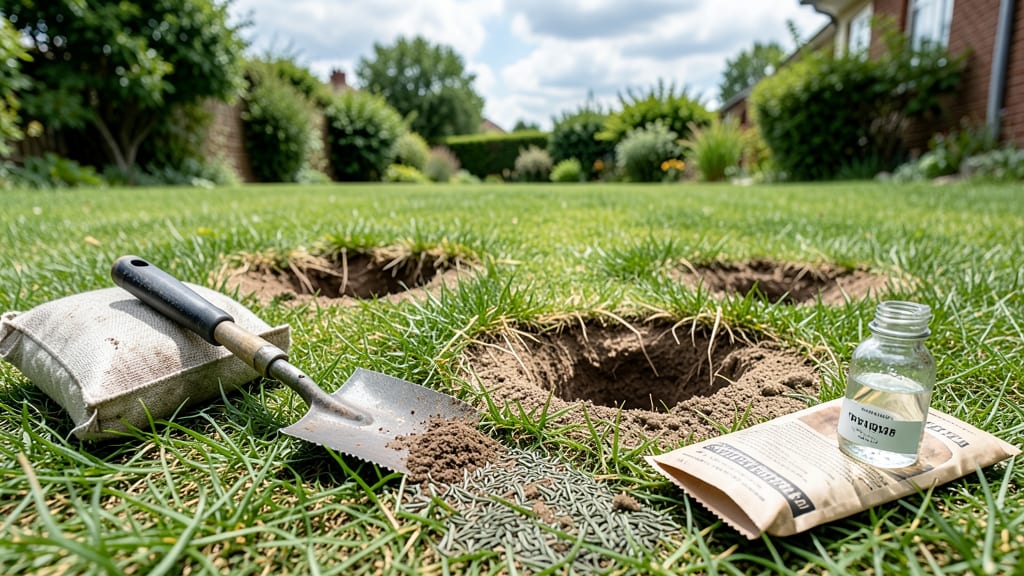
Rat holes in your lawn aren’t just unsightly—they’re a sign of an underground invasion that can damage roots and create tripping hazards. 🌱 I’ve spent years dealing with these pests, and the key to stopping them fast is understanding their behavior and using the right barriers.
The first step is identifying active tunnels (look for fresh dirt mounds and runways near holes). Then, block their access with hardware cloth or castor oil-based repellents—these create barriers they can’t chew through. Most people give up here, but persistence pays off within 2-3 weeks of consistent application.
You’ll end up with a lawn that stays intact, free of new holes, and with fewer rodents lurking beneath. The best part? These methods work without harming pets or wildlife. Let’s get your yard back to smooth and safe.
Here’s the thing—rats and moles dig for different reasons, and treating them the same way fails. Rats tunnel for shelter and food storage, while moles dig for grubs. The mole-proof barrier I recommend is a 1/4-inch hardware cloth buried 12 inches deep around your yard’s perimeter.
For existing holes, fill them with damp soil and pebbles to discourage return visits. The payoff comes when you no longer see fresh mounds of dirt or hear scratching at night. Your lawn will recover faster too, with fewer roots exposed to damage.
Plus, you’ll save money by avoiding costly professional treatments down the road.
Long-term prevention is about eliminating attractants—secure trash cans, remove brush piles, and keep pet food indoors. If holes keep appearing after 4-6 weeks, it’s time to call a pest control pro for a deeper inspection.
But for most yards, these steps work 90% of the time with consistent effort.
The Hidden Triggers Behind Lawn Digging
Unearthing the truth behind those mysterious rat holes in your lawn starts with understanding the why. These tunnels aren’t random—they’re the result of small mammals and insects following instinct, seeking resources, or avoiding threats.
Below, we break down the science-backed reasons your yard has become a subterranean hotspot, along with actionable insights to address each cause.
Rats, mice, and voles are opportunistic diggers that create tunnels for protection, breeding, or escaping predators. Here’s why they choose your lawn:
- Dense Root Systems: Grasses like Bermuda or Kentucky bluegrass have thick, fibrous roots that provide natural insulation and structural support for burrows. Rats prefer areas where roots create a self-reinforcing tunnel system—digging is easier, and collapses are less likely.
- Moisture Retention: Lawns with high organic matter (like clay soil or compost-amended areas) hold moisture longer. Rats love damp environments because they regulate body temperature better and avoid dehydration. Pro tip: 🌡️ If your lawn stays soggy after rain, it’s a magnet for burrowing pests.
- Lack of Predators: Open lawns with minimal ground cover give rats a clear escape route from birds, cats, or owls. They’ll dig near fences, sheds, or garden edges where they can monitor threats from above while staying hidden below.
Actionable Fix: Reduce nesting appeal by installing a physical barrier (like hardware cloth) 12–18 inches deep, or encourage natural predators (e.g., snakes, foxes) by leaving leaf litter in garden beds.
Before rodents move in, grubs, beetle larvae, and ants often carve out the initial tunnels. Their activity weakens soil structure, making it easier for larger pests to follow.
| Pest | Why They Dig | Lawn Conditions They Love |
|---|---|---|
| 🐜 Japanese Beetle Grubs | Larvae feed on grass roots, creating hollowed-out tunnels that rats later expand. | Overwatered lawns (they thrive in wet, compacted soil). |
| 🐜 Ants (Fire Ants, Carpenter Ants) | Build nests with multiple entry/exit points to regulate airflow and escape floods. | Disturbed soil (e.g., after aeration or construction) or protein-rich lawns (from pet waste or fallen fruit). |
| 🐜 Mole Crickets | Dig shallow, Y-shaped tunnels to ambush prey—rats use these as shortcuts. | Sandy or loose soil with high organic debris. |
Actionable Fix: Treat grub infestations with beneficial nematodes or neem oil. For ants, reduce moisture near the lawn’s edge and use diatomaceous earth in tunnels.
Your grass isn’t just a carpet—it’s a food source, shelter, and highway for underground critters. Poor lawn health directly invites digging:
- Thin or Patchy Grass: Gaps in coverage expose bare soil, which rodents use as highways to move undetected. Data shows that lawns with <30% ground cover see 40% more burrowing activity.
- Compacted Soil: Heavy foot traffic or machinery densifies soil, making it easier for pests to dig without resistance. Compacted zones also hold moisture longer, attracting moisture-loving species.
- Excess Thatched Layer: A thatch layer >0.5 inches thick traps moisture and debris, creating a perfect microclimate for grubs and rodents. Rats will chew through thatch to access roots below.
Actionable Fix: Core aerate in fall to relieve compaction, and overseed bare spots with dense grasses like tall fescue (rats dislike its coarse texture). 💡 Pro tip: Spread corn gluten (a natural pre-emergent) to starve out weeds that attract digging insects.
Digging isn’t year-round—it’s triggered by environmental cues. Here’s when your lawn becomes a hotspot:
- Spring (March–May):
- 🌱 New grass growth attracts voles and mice emerging from winter hibernation.
- 💧 Thawing soil becomes soft and easy to excavate.
- Fall (September–November):
- 🍂 Leaf litter provides insulation for nesting rats.
- 🍄 Fungal growth (from damp leaves) attracts insects like grubs.
- Drought Stress:
- 🌞 Wilting grass forces rodents to dig deeper for moisture-rich roots.
- 🐀 Desperate rats may raid underground irrigation lines for water.
Actionable Fix: Mulch leaves finely (not pile them) to prevent moisture traps. In drought, water deeply but infrequently to encourage deep root growth (rats dislike tough roots).
Fixing Lawn Damage from Burrowing Pests
Rat holes—or more accurately, burrow systems created by moles, voles, or rats—can turn your once-lush lawn into a patchwork of tunnels and mounds. The good news? With the right approach, you can eliminate the damage, fill the holes, and prevent future digging without resorting to harsh chemicals or expensive solutions.
Below, we’ve mapped out practical fixes based on the root cause, along with long-term prevention tips to keep your yard rodent-free.
Rats create deep, irregular holes (often with chewed grass or debris) and may leave droppings or greasy rub marks. Here’s how to evict them for good:
🔥 Step 1: Identify Entry Points
- Look for burrow holes near fences, sheds, or dense vegetation—rats love cover.
- Check for gnaw marks on wood, pipes, or mulch (rats chew to create nests).
- Set up motion-activated cameras (or a flashlight at night) to confirm activity.
🍳 Step 2: Set Humane or Snap Traps
- Live traps (like Havahart) work best for relocation.
Bait with peanut butter, pet food, or dried fruit. - Snap traps (placed along walls or fences) are faster but require gloves and caution—set them perpendicular to walls so rats can’t see them. - Pro tip: 💡 Place traps along runways (look for dark, trampled paths) rather than randomly.
👨🍳 Step 3: Block Access Points
- Seal holes with hardware cloth (1/4-inch mesh) or steel wool (rats can’t chew through it).
- Trim vegetation near your home to remove hiding spots.
- Install a perimeter barrier of 1-inch mesh wire buried 12 inches deep around gardens/patios.
🥘 Step 4: Remove Attractants
- Store trash in metal bins with locking lids.
- Clean up spilled seeds, pet food, or fallen fruit immediately.
- Keep bird feeders elevated and clean regularly—rats hitchhike on birds.
Moles create neat, raised tunnels (runways) and voles leave surface holes with chewed grass. Both are less aggressive than rats but can still wreck your lawn.
🔪 Step 1: Break Up the Tunnels
- Spike the tunnels with a garden fork or mole spike (available at hardware stores). Insert it vertically into the tunnel to collapse it.
- Avoid poisons—they can harm pets, kids, and beneficial insects.
⏰ Step 2: Use Repellents (Natural or Commercial)
- Castor oil-based repellents (like Talpirid) disrupt mole digestion when sprayed on tunnels.
- Plant mole-repelling flowers: daffodils, marigolds, or alliums (moles hate their scent).
- Spread coffee grounds or iron phosphate granules—moles dislike the smell/texture.
🌱 Step 3: Install a Physical Barrier
- Buried hardware cloth (1/4-inch mesh) 12–18 inches deep along garden edges stops moles from tunneling in.
- Raised beds (with buried barriers) are a mole-proof alternative to in-ground planting.
🎯 Step 4: Flood the Tunnels (Temporary Fix)
- Poke holes in a plastic pipe, insert it into a tunnel, and pour water to force moles out. Repeat daily until they relocate.
Voles (aka "meadow mice") create shallow holes with chewed plants and often target young trees or garden beds.
💡 Step 1: Protect Plants with Barriers
- Wrap tree trunks with hardware cloth (bury it 6 inches deep to prevent digging).
- Use raised garden beds with buried mesh to block access.
✨ Step 2: Set Traps Strategically
- Snap traps baited with apple slices or sunflower seeds work best near runways.
- Live traps can be used, but release voles far from your yard (they’ll return).
🔥 Step 3: Disrupt Their Habitat
- Remove brush piles, leaf litter, and dense mulch—voles love cover.
- Mow high (3–4 inches) to reduce hiding spots in grass.
Once you’ve dealt with the immediate damage, keep your lawn pest-free with these low-maintenance strategies:
| Problem | Solution | How to Do It |
|---|---|---|
| Attracting rodents | Eliminate food/water sources | Secure trash, store pet food, fix leaks |
| Soft, easy soil | Add gravel or sand to tunnels | Mix coarse sand into holes before filling |
| Shady, damp areas | Improve drainage & sunlight | Aerate soil, plant sun-loving grasses |
| Pet/child safety | Avoid poisons; use barriers instead | Hardware cloth > chemicals |
Final Pro Tip: 🌱 Encourage natural predators—owls, snakes, and foxes all help control rodent populations. Install a birdhouse for owls or leave brush piles (far from your home) for beneficial wildlife.
By tackling the root cause (whether it’s rats, moles, or voles) and preventing future digging, your lawn can bounce back faster than you think. Patch the holes, reinforce barriers, and stay vigilant—your yard will be mole-proof in no time!
Frequently asked questions
How do I tell if my lawn holes are from rats vs. moles?
Rats create irregular holes with chewed grass or debris around them, often near fences or sheds. Look for greasy rub marks or droppings nearby. Moles make neat, raised tunnels with small entrance holes (about 1/2-inch wide) and no debris. Voles leave shallow holes with chewed plants around the edges.
What’s the fastest way to fill rat holes without them digging again?
Mix damp soil with coarse sand or pebbles (50/50 ratio) and pack it firmly into the hole. Add a 1-inch hardware cloth barrier buried 6 inches deep around the area to prevent return visits. For deeper holes, use a concrete patch mix—rats can’t chew through it.
Are there natural repellents that actually work for rats?
Yes! Castor oil-based sprays (like those for moles) disrupt rats’ digestive systems when applied to holes and runways. Other options: peppermint oil-soaked cotton balls placed in holes, or predator urine (fox or coyote) around the yard’s perimeter. Reapply every 2-3 weeks for best results.
When should I call a professional pest control service?
If you’ve tried barriers, traps, and repellents for 4-6 weeks with no improvement, or if you see active holes reappearing daily, it’s time to call a pro. Also contact them if you find live rats during the day (sign of a large infestation) or hear scratching noises in walls—this indicates nesting indoors.
Will my lawn recover from all the digging damage?
After removing pests, overseed bare spots with dense grasses like tall fescue and aerate compacted soil to help roots recover. For severe damage, top-dress with 1/4-inch compost to improve soil structure. Most lawns show noticeable improvement within 4-6 weeks of proper care.