
Lawn
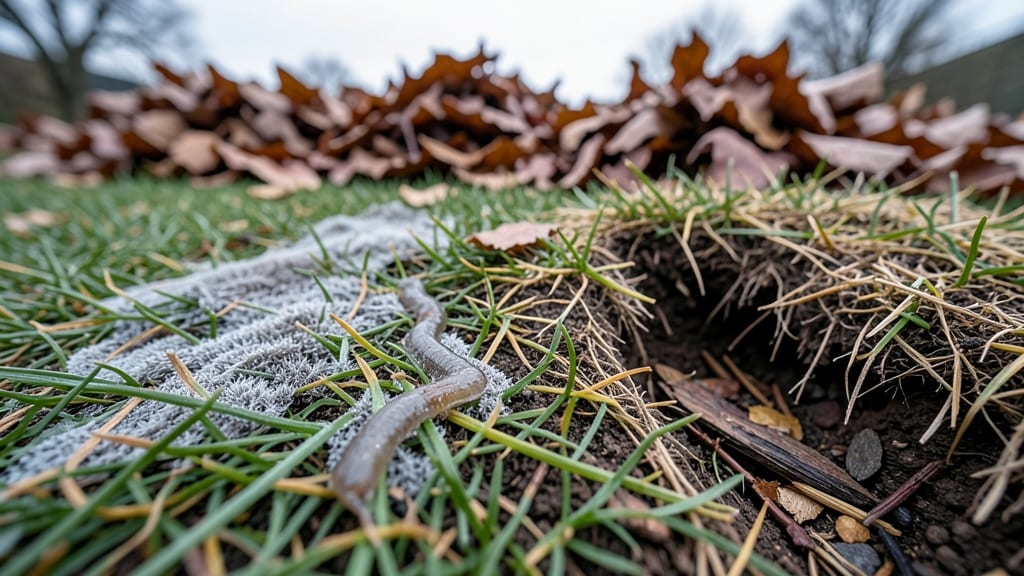
Mulching leaves into your lawn can save time and improve soil health—but only if done correctly. These expert-backed methods reveal when, how, and why leaf mulching works (or fails) for your grass, soil, and garden ecosystem.
Thin Layer Mulching for New Grass Growth
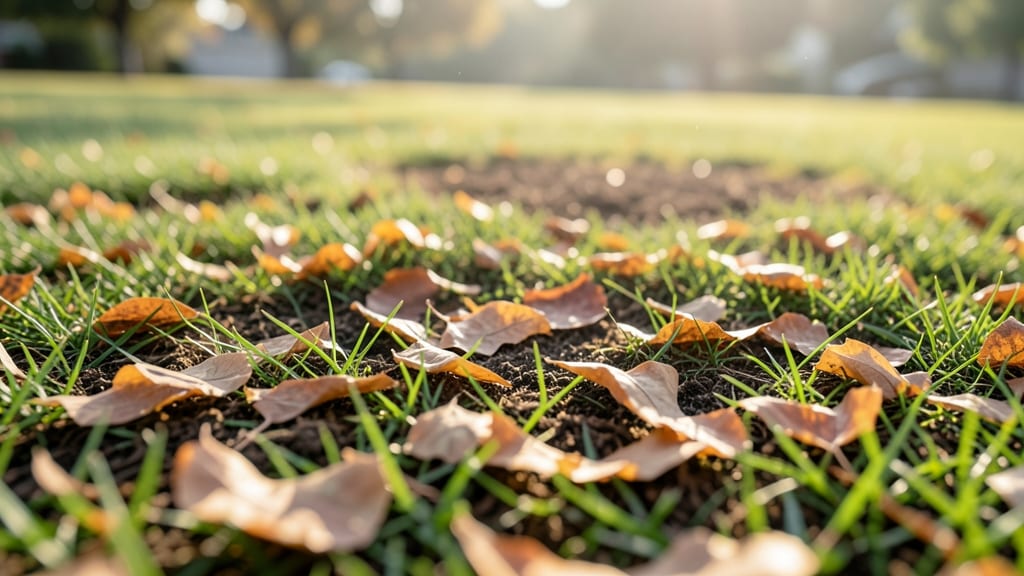
Spring and fall are the perfect times to give your lawn a nutrient boost without the hassle of raking or composting. A ¼-inch layer of shredded leaves acts like a natural fertilizer, feeding soil microbes while protecting new grass growth from harsh weather.
This method works best when you spread leaves over overseeded bare patches—the thin layer retains moisture, regulates soil temperature, and prevents seedling smothering. For best results, use a mulching mower or finely shred leaves before applying, and avoid thick piles that can suffocate grass.
Perfect for homeowners tackling thin lawns or preparing for winter, this technique saves time while improving soil health naturally. 🌱
Leaf Mower Method for Uniform Distribution
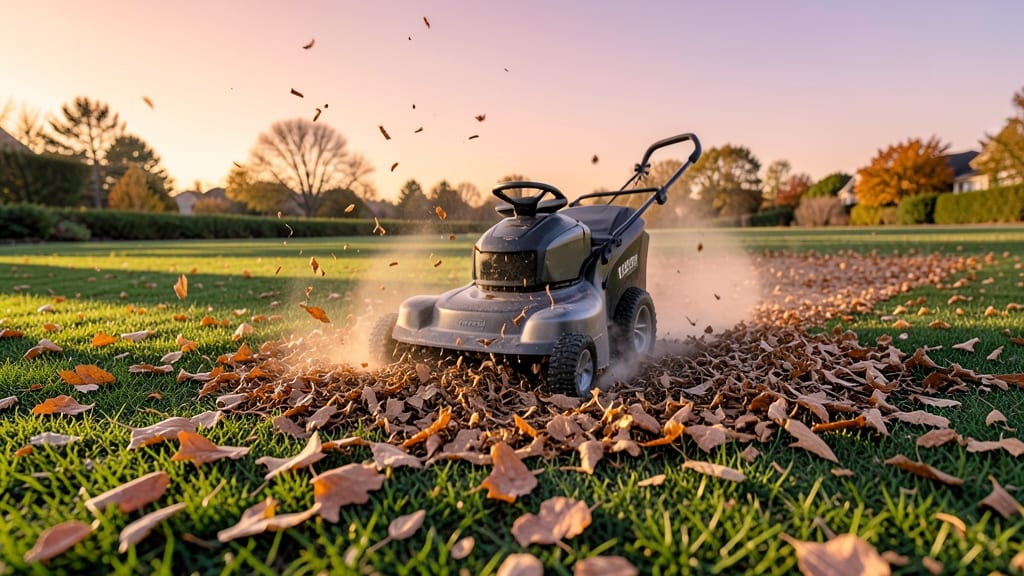
Tired of raking leaves only to haul them away? A mulching mower turns fall cleanup into a soil-boosting power move—no extra work required. This method chops leaves into tiny pieces that decompose quickly, blending seamlessly into your lawn like a natural fertilizer.
Run your mower over dry leaves when they’re 1/4 to 1/2 inch thick (never wet or piled high). The blades shred them into nitrogen-rich mulch, which feeds your grass roots and improves soil structure over time. For best results, mow in two directions to ensure even distribution—ideal for large lawns where raking feels like a chore.
This approach saves hours of labor while creating a healthier lawn ecosystem with less effort. Perfect for homeowners with busy schedules or expansive yards! 🌱
Compost Leaf Layering for Soil Enrichment
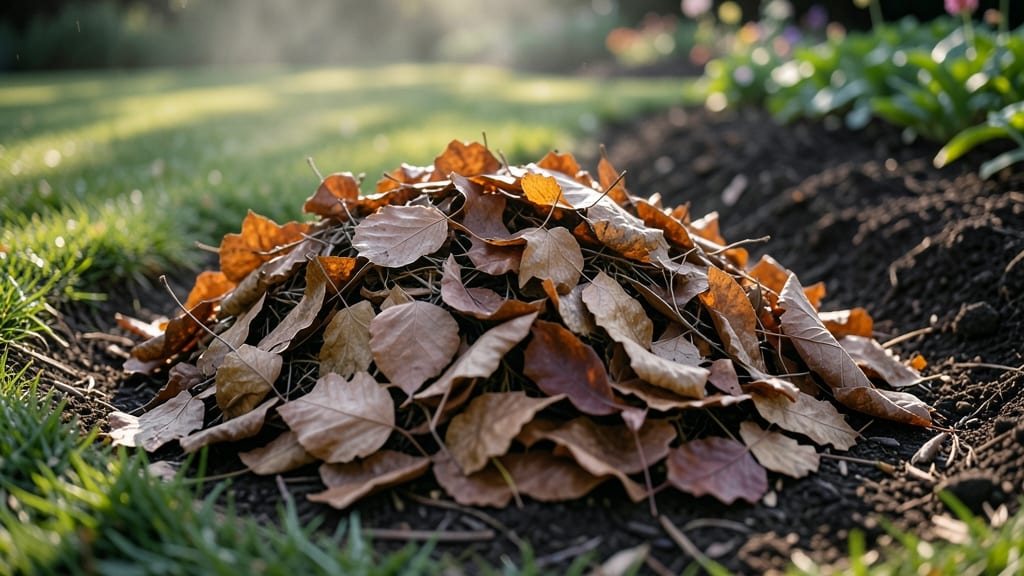
Skip the lawn and transform your garden beds into a nutrient powerhouse with a simple 12-inch leaf pile. This isn’t just mulching—it’s a year-round compost factory that feeds your soil while saving you from hauling leaves away.
Focus on vegetable gardens or flower beds near lawn edges, where leaves naturally accumulate. Rake or shovel dry leaves into piles, then let them decompose over winter. By spring, you’ll have crumbly, nutrient-rich compost perfect for enriching soil before planting. Avoid wet leaves to prevent mold—stick to dry or slightly damp ones for best results.
This method is ideal for gardeners who want zero waste and healthier plants without the effort of traditional compost bins. Plus, it’s a great way to recycle leaves that would otherwise clutter your yard. 🌿
Avoiding Thatch Buildup with Proper Timing
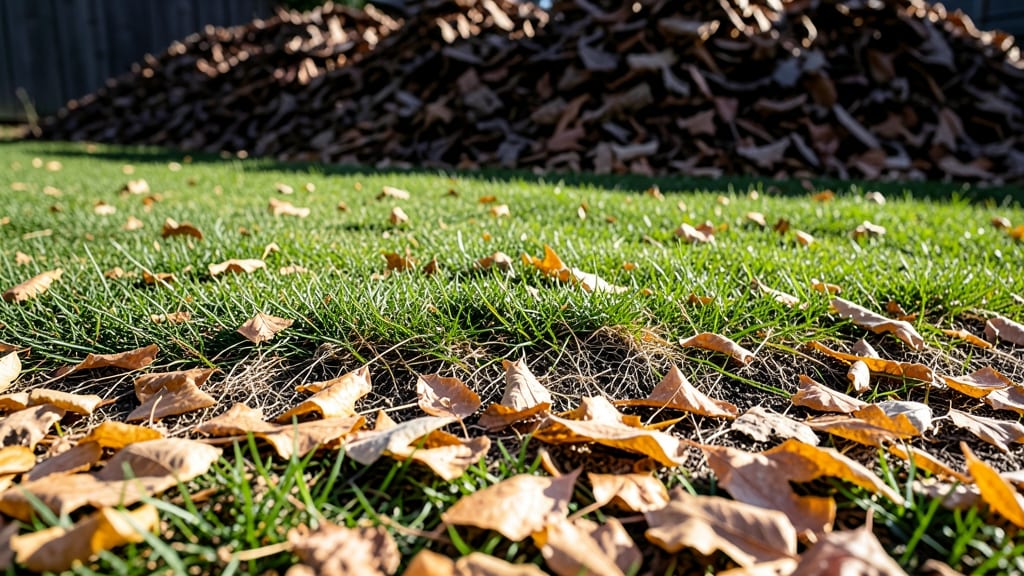
If your lawn feels suffocated by layers of leaves, timing is everything. The key to preventing thatch buildup—that spongy layer between grass and soil—is mulching leaves in small batches during spring and fall, when grass is actively growing and can process organic matter faster.
Spread leaves in thin layers (no thicker than ¼ inch) every 2–3 weeks during these seasons. This mimics natural decomposition while avoiding smothering roots. For larger lawns, use a mulching mower set to a high blade height to break leaves into fine particles that decompose quickly. Avoid piling leaves in dormant seasons (winter/summer), when grass can’t break them down efficiently.
This method is ideal for homeowners with cool-season grasses like Kentucky bluegrass or fescue, which thrive with consistent organic feeding. By mulching strategically, you’ll nourish soil without risking thatch that blocks water and air to roots. 💪
Leaf Mulch for Weed Prevention in Pathways
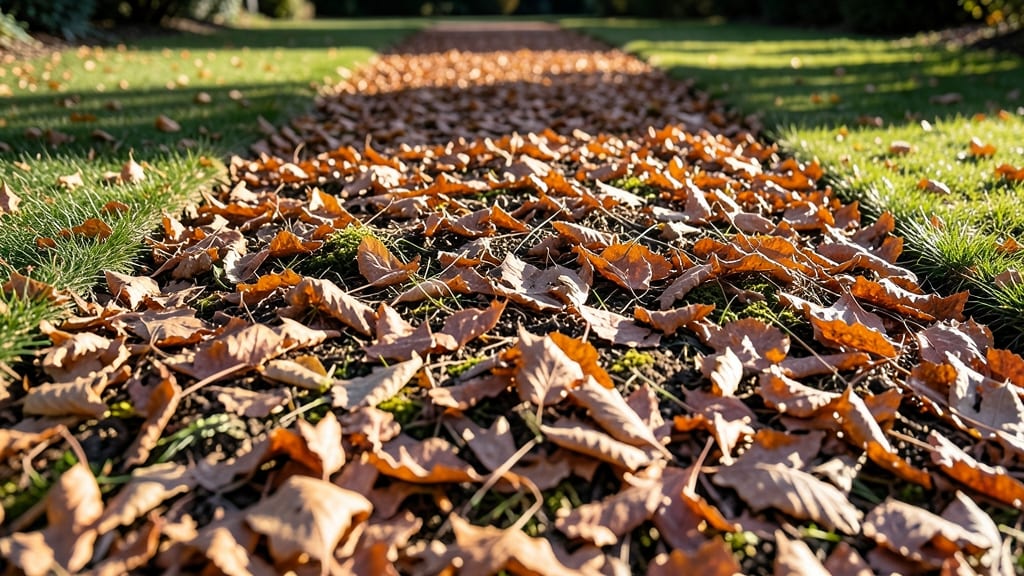
Tired of battling weeds in your garden pathways? Leaf mulch is a free, natural solution that works better than synthetic mulches—if you use it right. Instead of thin layers for lawns, pathways need thick layers (2–3 inches) of coarse, unshredded leaves to smother weeds effectively while breaking down slowly.
Choose whole or lightly crushed leaves (like oak or maple) for durability—they won’t compact like shredded leaves and last through rain. Apply after clearing existing weeds, then refresh the layer every 3–4 months to maintain weed suppression. This method is perfect for gardeners who want low-maintenance paths without chemicals.
Urban gardeners and small-space growers will love this trick—it’s free, biodegradable, and keeps pathways looking tidy. Just avoid using leaves from diseased plants to prevent spreading issues. 🌿
Shredded Leaves for Turf Aeration Benefits
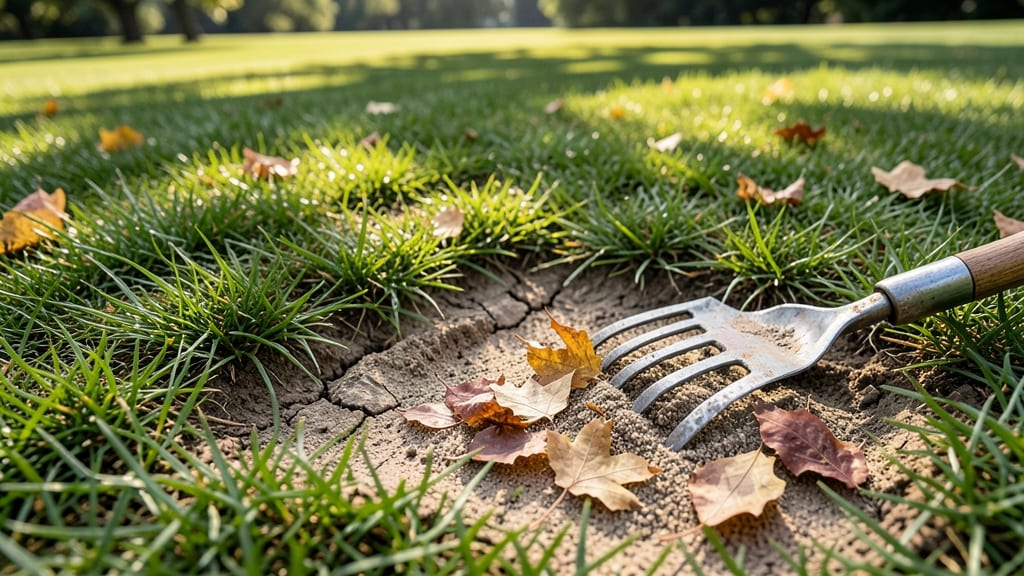
If your lawn feels spongy underfoot or shows signs of compaction from heavy foot traffic, shredded leaves mixed with sand could be the solution you’ve been missing. This unique blend acts like a natural aerator, breaking up dense soil while adding organic matter—without the need for renting heavy equipment.
Run fallen leaves through a shredder until they resemble confetti, then mix them 50/50 with coarse sand. Spread the combination evenly over the lawn in spring or fall when grass is actively growing. The sand creates air pockets to relieve compaction, while the leaves decompose slowly, feeding soil microbes. This method works especially well for sports fields, patios, or dog runs where soil gets packed down regularly.
Homeowners with clay-heavy soil or urban yards will see the biggest benefits, as this technique improves drainage while reducing the need for chemical fertilizers. Just avoid using wet leaves, which can clump and smother grass. 💡
Winter Leaf Mulch for Frost Protection
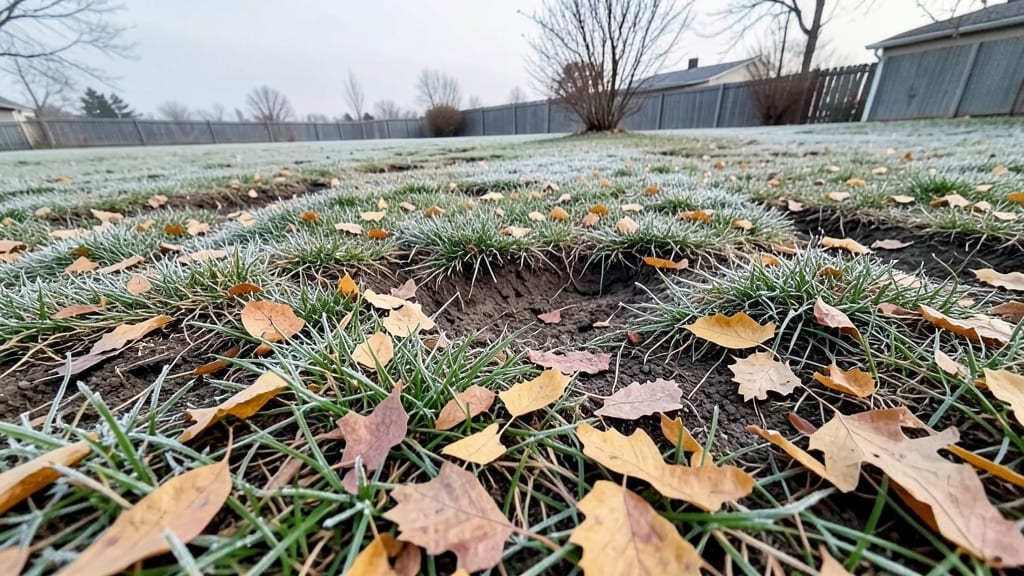
Northern gardeners know the struggle: freeze-thaw cycles that heave lawns and leave patchy, frostbitten grass come spring. A simple 1–2 inch layer of shredded leaves applied in late fall acts as a natural insulator, shielding soil and roots from temperature swings.
Spread leaves after the first frost but before heavy snowfall—this timing lets them break down slightly while still providing protection. For best results, avoid thick piles that can mat down and trap moisture (leading to rot). Instead, lightly rake or mow leaves into grass clippings for even coverage. This method also reduces winter weed seeds from germinating.
Perfect for cool-season lawns like Kentucky bluegrass or fescue, this technique saves time on spring repairs while giving your grass a head start. Just remove the leaf layer in early spring to reveal healthier, more resilient turf. ✨
Leaf Mulch for New Lawn Establishment
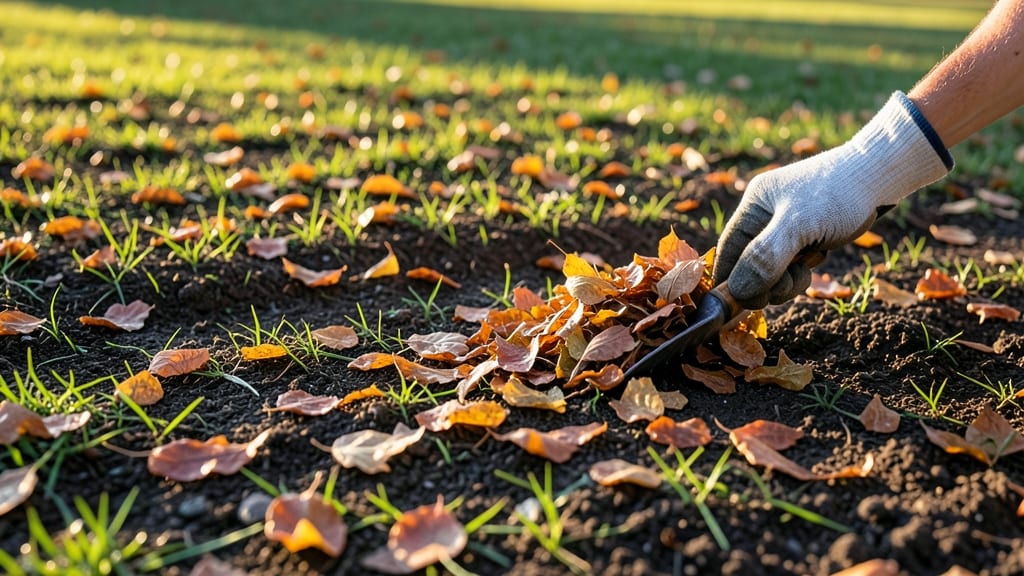
New lawns need tender love—and a light layer of leaves can be your secret weapon. When establishing a seeded lawn, mulching with leaves helps retain moisture while keeping soil temperatures stable, but only if applied correctly.
Spread shredded leaves no thicker than ¼-inch over freshly seeded areas to prevent smothering young grass. This thin layer acts like a natural blanket, shielding seeds from drying winds while allowing sunlight to reach them. Avoid whole leaves, which can mat down and block germination. Water lightly after application to settle the leaves gently into the soil.
This method is ideal for spring or fall seeding when temperatures are moderate, giving new grass the best chance to establish strong roots. Beginners will appreciate how this simple step reduces watering needs while boosting soil health. 🌱
Pest Control with Leaf Mulching
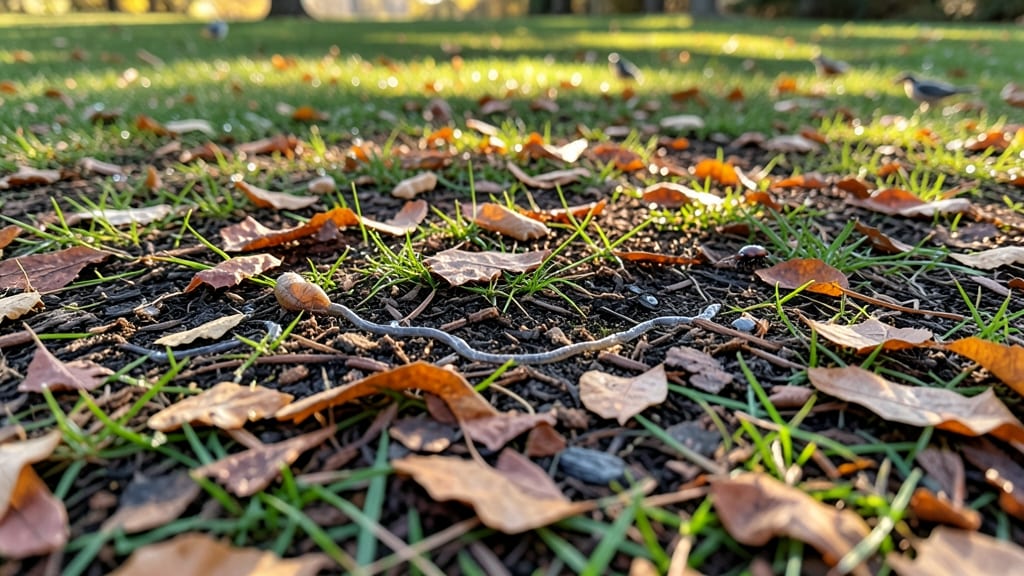
Tired of slugs and snails turning your lawn into their personal salad bar? A thick layer of mulched leaves can be your secret weapon—disrupting their slimy hideouts while creating a welcoming habitat for their natural predators. This organic approach works best when leaves are spread in 2–3 inch layers along garden edges or shady areas where pests thrive.
Slugs and snails prefer moist, sheltered spots, but leaf mulch dries out quickly and blocks their access to tender plants. Meanwhile, ground beetles and other beneficial insects move in, feasting on the pests while you enjoy a chemical-free lawn. For maximum effect, focus on areas near hostas, lettuce, or other slug magnets, and avoid compacting the leaves—keep them loose for airflow.
This method is especially valuable for gardeners using organic lawn care systems, as it eliminates the need for slug baits that can harm pets and wildlife. Try it this fall when leaf drop peaks, and watch your pest problems shrink naturally. 🌿
When Leaf Mulching Fails: Problem Scenarios

Not every leaf mulching attempt succeeds—sometimes, it backfires in ways that harm your lawn. If you notice fungal growth (like grayish mats or discolored grass) or excessive thatch (a spongy layer over roots), it’s time to pause mulching. Thick leaf piles also attract pests like rodents or slugs, turning your yard into a buffet instead of a lush lawn.
When leaves clump together and stay wet for days, they create the perfect environment for disease spread and root suffocation. If your grass looks smothered or smells musty, switch to raking or composting instead. For stubborn thatch, aerate the lawn first to restore airflow and health.
This scenario is especially critical for beginners or those with dense lawns—don’t let a well-intentioned mulch job turn into a lawn disaster. 💚