
Lawn
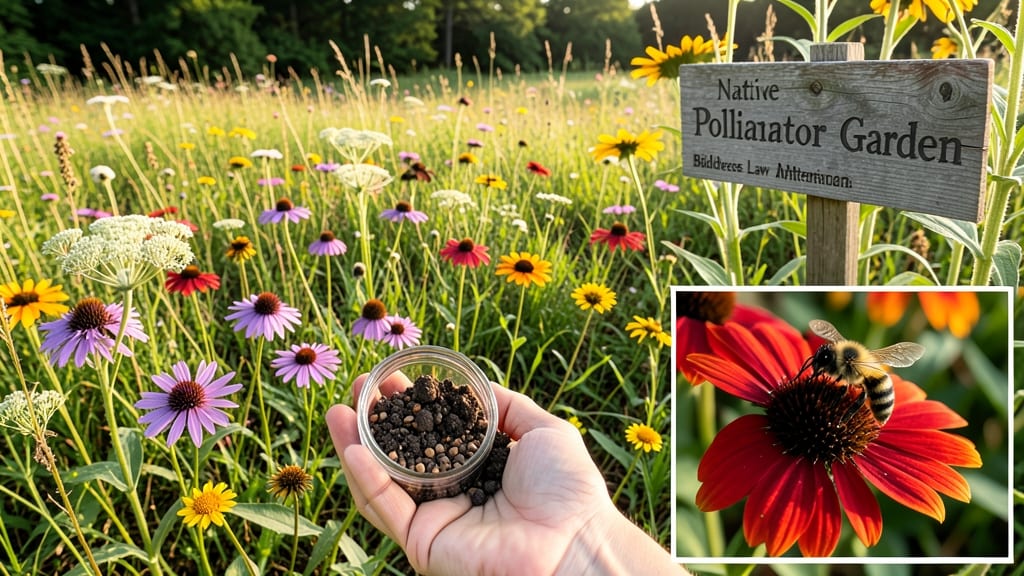
Real lawns typically have low native biodiversity because traditional grass monocultures eliminate diverse plant species, disrupting local ecosystems and reducing habitat for beneficial insects and microbes. Transitioning to native grass mixes or clover blends can revitalize soil health and support local wildlife.
Traditional lawns often rely on a single grass species, like Kentucky bluegrass or fescue, which creates a uniform but ecologically impoverished landscape. 🌱 This lack of diversity means fewer food sources for pollinators like bees and butterflies, while also reducing the soil's natural resilience against pests and drought.
Native grasslands, on the other hand, thrive with a mix of grasses, wildflowers, and clovers—each species playing a role in sustaining the ecosystem. For example, clover blends fix nitrogen in the soil, while native grasses like buffalo grass require less water and fertilizer, making them both sustainable and wildlife-friendly.
Many homeowners are now opting for these biodiversity-focused lawns to cut back on chemical treatments and create vibrant, self-sustaining landscapes. The shift isn't just about aesthetics—it's about restoring balance to local ecosystems, one lawn at a time. 🐝
💡 In This Article
- How Monoculture Lawns Disrupt Native Ecosystems
- Best Native Grass and Wildflower Blends for Biodiversity
How monoculture lawns disrupt native ecosystems
Traditional lawns thrive on monoculture—planting a single grass species like Kentucky bluegrass or Bermuda grass—creating a visually uniform but biologically barren landscape. This approach eliminates the natural diversity of native plant species, which typically includes 30-50+ plant varieties in a single acre of wild prairie.
The problem? Monocultures lack the ecological "safety net" that diverse ecosystems provide, where different species fill complementary roles in nutrient cycling, pest control, and water retention. 🌿
The soil beneath these lawns suffers most. Native ecosystems rely on a complex web of roots, fungi, and microbes that break down organic matter and recycle nutrients. Monoculture grass systems, however, often require synthetic fertilizers (like nitrogen-based compounds) to compensate for the lack of natural nutrient cycling.
Over time, this creates soil that's chemically dependent rather than biologically vibrant. Studies show that lawn soils can have up to 90% fewer microbial species compared to native grasslands, directly impacting plant health and water filtration.
Pollinators and wildlife face another critical challenge: habitat loss. Native grasslands support thousands of insect species, including bees, butterflies, and beetles, which rely on diverse flowering plants for food. A monoculture lawn offers none of these resources, forcing pollinators to travel farther for sustenance—often leading to population declines.
For example, a single patch of native wildflowers can attract 5-10 times more bee species than an equivalent area of turfgrass. This loss of biodiversity weakens the entire ecosystem, as fewer pollinators mean reduced plant reproduction and fewer food sources for birds and small mammals.
Chemical runoff further exacerbates the problem. Monoculture lawns require frequent applications of herbicides (like glyphosate) and pesticides to suppress weeds and insects, many of which are non-native and invasive themselves.
These chemicals don't just harm target pests—they also kill beneficial insects, contaminate groundwater, and contribute to algae blooms in nearby waterways. In contrast, native grass mixes often require 70-90% less chemical intervention, as their deep root systems outcompete weeds and their diverse plant structures deter pests naturally.
Even carbon sequestration takes a hit. Native grasslands store 2-3 times more carbon in their roots and soil than monoculture lawns because of their deeper, more extensive root networks. Shallow-rooted turfgrass struggles to anchor carbon long-term, while diverse ecosystems lock it away for decades.
This makes traditional lawns not just ecologically poorer but also less effective at mitigating climate change. 🌍
Consider this: A single acre of native prairie can support over 200 plant species, compared to just 1-3 species in a conventional lawn. That diversity translates to resilience—drought-resistant grasses, nitrogen-fixing clovers, and flowering plants that attract predators of lawn pests.
The shift from monoculture to native blends isn't just about aesthetics; it's about rebuilding the foundational layers of local ecosystems that modern lawns have eroded.